Are there any insecticides that repel insects rather than kill them?
Hey there! I'm an insecticide supplier, and I often get asked this question: Are there any insecticides that repel insects rather than kill them? Well, let's dive into this topic and find out.
First off, we need to understand the difference between repelling and killing insects. When an insecticide kills insects, it usually contains chemicals that disrupt the insect's nervous system, metabolism, or other vital functions, leading to their death. On the other hand, a repellent works by creating an environment that insects find unpleasant or avoid. It doesn't necessarily harm them but keeps them away from a particular area.
There are indeed insecticides that are more focused on repelling rather than killing. One of the common types of natural repellents is essential oils. For example, citronella oil is well - known for its mosquito - repelling properties. It gives off a strong odor that mosquitoes don't like. When you apply a citronella - based insecticide in your outdoor area, mosquitoes are less likely to come around. Other essential oils like eucalyptus, lavender, and peppermint also have repellent effects on various insects. These natural options are great for those who are looking for a more eco - friendly and less toxic way to keep insects at bay.
But if you're in the agricultural or commercial sector, you might be looking for more powerful and long - lasting solutions. That's where some of the chemical insecticides with repellent properties come in.
Let's talk about CAS No. 153233 - 91 - 1 Agrochemical Insecticide 98%Tc Etoxazole. Etoxazole is mainly used to control mites, which are a big problem in many crops. While it can have a lethal effect on mites in high concentrations, it also has some repellent characteristics. It can prevent mites from settling on the plants in the first place. This is super useful for farmers because it helps protect their crops from mite infestations before they even start.
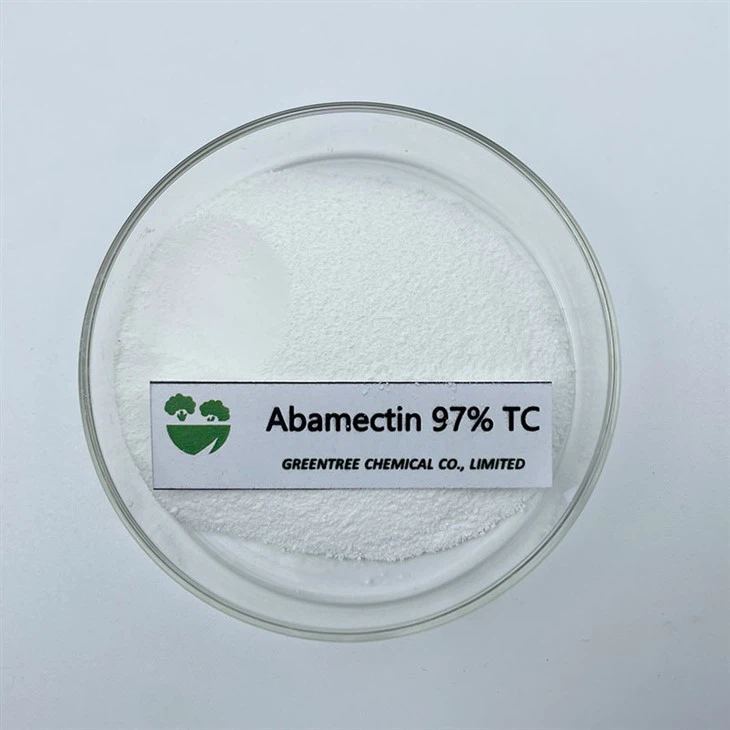
Another great product is C48H72O14 Abamectin 97% Tc Technical Insecticide Pesticide. Abamectin is a broad - spectrum insecticide. It can kill a wide range of insects, but it also has some repellent properties. Insects can sense the presence of abamectin and are less likely to feed on the treated plants. This not only reduces the damage to the crops but also helps in preventing the spread of pests.
CAS NO. 144171 - 61 - 9 Indoxacarb 30% Wdg Insecticides For Sale is also worth mentioning. Indoxacarb is effective against many lepidopteran pests. It has a mode of action that makes insects stop feeding soon after contact. In a way, it acts as a repellent because pests avoid the treated areas. This is beneficial for protecting both agricultural and horticultural crops.
Now, you might be wondering how these repellent - type insecticides work compared to the ones that just kill. The advantage of repellents is that they can prevent infestations from happening. If insects are kept away from a certain area, you don't have to deal with the damage they cause or the hassle of getting rid of a large number of pests later. It's like having a preventive shield.
However, there are also some limitations. Repellents might not be as effective in high - pest - density areas. If there are a huge number of insects around, they might still manage to find their way into the protected area. Also, the effectiveness of repellents can wear off over time, especially if they are exposed to weather conditions like rain or strong sunlight.

When choosing an insecticide, whether it's a repellent or a killer, you need to consider a few things. First, what kind of insects are you dealing with? Different insects have different sensitivities to various chemicals. Second, where are you using the insecticide? Is it for your home garden, a large agricultural field, or a commercial greenhouse? The environment matters a lot. Third, think about the safety of the product. If you have children, pets, or are using it in an area close to water sources, you need to make sure the insecticide is safe.
If you're in the market for insecticides, especially those with repellent properties, I'm here to help. We have a wide range of products that can meet your specific needs. Whether you're a small - scale gardener or a large - scale farmer, we've got something for you. Don't hesitate to reach out if you want to learn more about our products or discuss your pest - control requirements. We can have a detailed chat about which insecticide would be the best fit for your situation.
In conclusion, there are definitely insecticides that repel insects rather than kill them. From natural essential oils to chemical - based products, there are various options available. Each has its own advantages and limitations, but with the right choice, you can effectively keep insects away and protect your plants, property, and health. So, if you're interested in purchasing these insecticides or need more information, just get in touch for a procurement discussion.
References
- "Insect Pests of Farm, Garden, and Orchard" by A. F. Burgess
- "The Handbook of Pesticide Toxicology" by Wayland J. Hayes Jr. and Edward R. Laws