

Can Auxin NA - NAA Promote Root Growth?

Hey there, fellow plant enthusiasts! As a supplier of Auxin NA - NAA, I've been getting a ton of questions lately about whether this stuff can really promote root growth. Well, let's dive right in and explore this topic together.
First off, let's talk a bit about what Auxin NA - NAA is. Auxins are a group of plant hormones that play a crucial role in various aspects of plant growth and development. NAA, or naphthaleneacetic acid, is a synthetic auxin that has been widely used in agriculture and horticulture. It's similar to the natural auxins produced by plants, but it's more stable and has a longer shelf - life, which makes it a popular choice for growers.
Now, onto the big question: can NAA promote root growth? The short answer is yes, and there's a lot of scientific evidence to back it up. When plants are treated with NAA, it stimulates the formation of adventitious roots. These are roots that grow from non - root tissues, like stems or leaves. This is particularly useful in plant propagation. For example, if you're trying to grow new plants from cuttings, dipping the cut ends in a NAA solution can significantly increase the chances of root formation.
Let's take a look at how NAA works at the cellular level. Auxins like NAA regulate the expression of genes involved in cell division and elongation. When NAA is applied to a plant cutting, it causes the cells at the base of the cutting to start dividing more rapidly. These newly divided cells then differentiate into root cells, eventually forming a new root system. This process is essential for the establishment of a healthy root system, which in turn is crucial for the overall health and growth of the plant.
In addition to promoting root initiation, NAA also affects root growth in other ways. It can increase the length and density of roots. By enhancing cell elongation, NAA helps roots to grow longer, allowing them to explore a larger volume of soil. This is important because it enables the plant to access more water and nutrients. Moreover, NAA can stimulate the branching of roots. More root branches mean a greater surface area for nutrient and water absorption, which is beneficial for the plant's growth and productivity.
There are many real - world examples of the successful use of NAA in promoting root growth. In the nursery industry, growers often use NAA - based rooting powders or solutions to propagate a wide variety of plants, including ornamental shrubs, fruit trees, and vegetables. By using NAA, they can produce more healthy and vigorous plants in a shorter period of time. This not only increases the efficiency of the propagation process but also improves the quality of the plants, which can lead to higher profits for the growers.
Now, I'd like to mention some of the products we offer as an Auxin NA - NAA supplier. We have high - quality NAA products that are suitable for different applications. For example, we have CAS No. 61 - 31 - 4 C12H9O2Na 98%Tc Agricultural Growth Regulator Naa - Na Naphthaleneacetic Acid, which is a sodium salt form of NAA. This product is highly soluble in water, making it easy to use in foliar sprays or soil drenches.
We also offer 98%Tc Phytohormone Naphthaleneacetic Acid Naa CAS No. 86 - 87 - 3. This is the pure acid form of NAA, which is often used in more concentrated applications. It can be dissolved in alcohol or other organic solvents and then diluted for use.
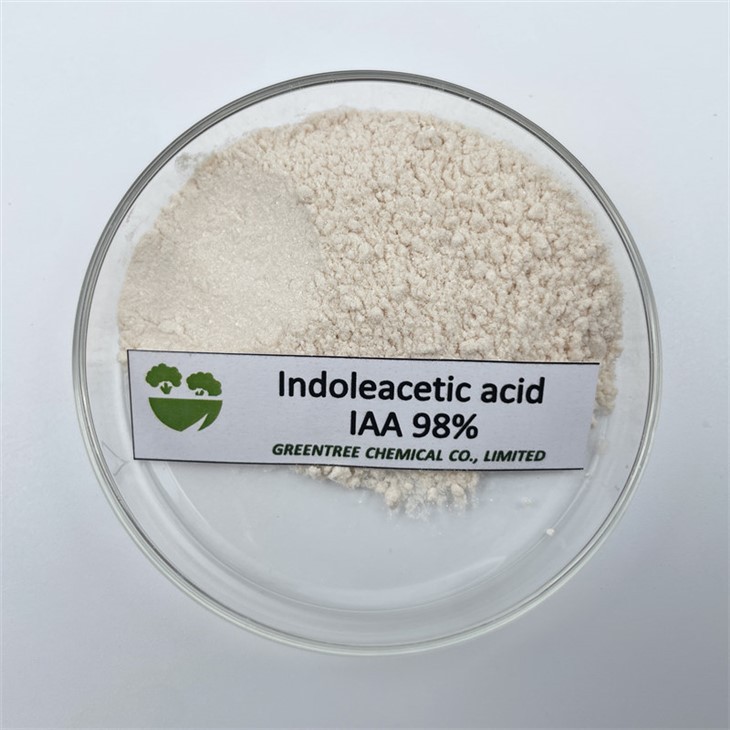
Another related product is CAS 87 - 51 - 4 Iaa Indole - 3 - Acetic Acid 98 Tc Agricultural Plant Growth Promotion. IAA is a natural auxin, and while it's not NAA, it also has excellent root - promoting properties. Some growers like to use a combination of IAA and NAA to get the best results in root growth promotion.
However, it's important to note that using NAA requires some caution. Just like any other plant growth regulator, the dosage is crucial. Applying too much NAA can have negative effects on the plant. It can cause excessive root growth, which may lead to stunted shoot growth. In some cases, high concentrations of NAA can even be toxic to the plant. So, it's always a good idea to follow the recommended dosage instructions provided by the manufacturer.
In addition, different plant species may respond differently to NAA treatment. Some plants are more sensitive to NAA than others. For example, woody plants may require a higher concentration of NAA compared to herbaceous plants. It's also important to consider the stage of plant growth when using NAA. Younger plants are generally more responsive to auxin treatment than older plants.
To sum it up, NAA is a powerful tool for promoting root growth in plants. Whether you're a professional grower looking to increase your propagation success rate or a home gardener trying to grow new plants from cuttings, NAA can be a great addition to your toolkit. As a supplier, we're committed to providing high - quality NAA products that can help you achieve your plant - growing goals.
If you're interested in learning more about our Auxin NA - NAA products or have any questions about their use, don't hesitate to reach out. We're here to assist you with your plant growth needs and can provide you with detailed information on how to use our products effectively. Whether you're starting a small home garden or running a large - scale agricultural operation, we have the right solutions for you. Contact us to start a conversation about your specific requirements and let's work together to make your plants thrive!
References
- Davies, P. J. (2010). Plant Hormones: Biosynthesis, Signal Transduction, Action! Kluwer Academic Publishers.
- Taiz, L., & Zeiger, E. (2010). Plant Physiology. Sinauer Associates.
- Hartmann, H. T., Kester, D. E., Davies, F. T., & Geneve, R. L. (2010). Plant Propagation: Principles and Practices. Prentice Hall.


