Hey there, fellow plant lovers! As someone running a fertilizer supply business, I get asked all the time, "How do I choose the right fertilizer for my potted plants?" Well, you're in the right place because I'm gonna share some tips and tricks to help you make the best decision for your green friends.
First things first, let's talk about why choosing the right fertilizer is so important. Potted plants are different from those growing in the ground. They rely on us to provide all the nutrients they need because they're confined to a limited amount of soil. Without the right fertilizer, your plants might not grow as well, have fewer flowers, or even get sick.
Understanding Your Plants' Needs
The first step in choosing the right fertilizer is to understand what your plants need. Different plants have different nutrient requirements. For example, leafy plants like lettuce or spinach need more nitrogen to grow big and healthy leaves. On the other hand, flowering plants such as roses or orchids need more phosphorus to produce beautiful blooms.
Here's a little cheat sheet:

- Nitrogen (N): Promotes leaf and stem growth. Good for green, leafy plants.
- Phosphorus (P): Helps with root development, flowering, and fruiting. Ideal for blooming and fruiting plants.
- Potassium (K): Important for overall plant health, disease resistance, and water regulation.
Look at your plants and see what they're doing. If they're looking a bit pale or growing slowly, they might need more nitrogen. If they're not flowering as much as they should, try a fertilizer with more phosphorus.
Types of Fertilizers
There are several types of fertilizers out there, and each has its own pros and cons.
Organic Fertilizers
Organic fertilizers are made from natural materials like manure, compost, or bone meal. They're great because they release nutrients slowly over time, which means you don't have to fertilize as often. They also improve the soil structure and increase its water-holding capacity.
One of our popular organic fertilizers is the Factory Direct Organic Liquid Fertilizer Water-Soluble Amino Acids Agricultural Sales By Manufacturer. It's rich in amino acids, which are essential for plant growth, and it's easy to apply. Just mix it with water and water your plants as usual.
Inorganic Fertilizers
Inorganic fertilizers, also known as chemical fertilizers, are made from synthetic materials. They're usually more concentrated and provide nutrients quickly. This can be a good thing if your plants need an immediate boost. However, they can also leach out of the soil more easily, which means they need to be applied more often.
For example, CAS NO. 68514-28-3 Fertilizer Super Potassium Humate Acid 65% For Agriculture is a great inorganic fertilizer. It's high in potassium, which is important for plant health and stress tolerance.
Slow-Release Fertilizers
Slow-release fertilizers are a type of inorganic fertilizer that releases nutrients slowly over time. They're a great option if you don't want to worry about fertilizing your plants too often. They usually come in the form of pellets or granules that you mix into the soil.
Considering the Soil
The type of soil your potted plants are in also plays a big role in choosing the right fertilizer. Some soils are naturally rich in nutrients, while others are more nutrient-poor. You can buy a soil testing kit at your local garden center to find out what your soil needs.
If your soil is acidic, you might need a fertilizer that helps to raise the pH level. On the other hand, if your soil is alkaline, you'll need a fertilizer that lowers it.
Another thing to consider is the soil's texture. Sandy soils drain quickly and may need more frequent fertilization, while clay soils hold onto nutrients better but can be harder to work with.
Application Methods
How you apply the fertilizer is just as important as choosing the right one. Here are some common application methods:
Top-Dressing
Top-dressing involves spreading the fertilizer on top of the soil and then watering it in. This is a good method for granular fertilizers. Just make sure not to let the fertilizer touch the plant's stems or leaves, as it can burn them.
Foliar Feeding
Foliar feeding means spraying the fertilizer directly onto the plant's leaves. This is a quick way to get nutrients to the plant, especially if it's showing signs of deficiency. However, it's not a substitute for regular soil fertilization.
Watering-In
Watering-in involves mixing the fertilizer with water and then using it to water your plants. This is a good method for liquid fertilizers. It ensures that the fertilizer is evenly distributed throughout the soil.
Reading the Label
When you're buying fertilizer, always read the label carefully. It will tell you what nutrients are in the fertilizer, how much to apply, and how often to apply it. Don't be afraid to ask questions if you're not sure about something.
The label will also usually have a list of ingredients. Look for fertilizers that contain the nutrients your plants need. Avoid fertilizers that contain a lot of fillers or chemicals that might be harmful to your plants.
Buying in Bulk
If you have a lot of potted plants, buying fertilizer in bulk can be a great way to save money. You can also get better deals on larger quantities. We offer a wide range of fertilizers in different sizes, so you can find the right one for your needs.
A Special Mention
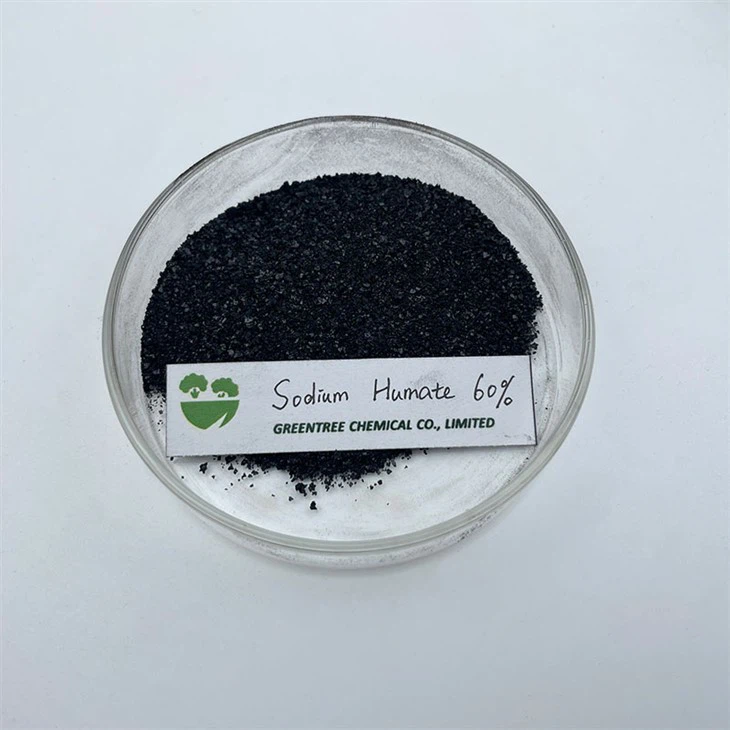
Another great product we have is CAS 68131-04-4 Mineral Source Rough Granule Humic Acid Sodium Humate 60% For Oil Drilling Fluid. While it's primarily used for oil drilling fluid, it can also be a great addition to your soil. It helps to improve soil structure, increase nutrient uptake, and promote healthy root growth.
Conclusion
Choosing the right fertilizer for your potted plants doesn't have to be complicated. By understanding your plants' needs, considering the type of fertilizer, and following the application instructions, you can keep your plants healthy and happy.
If you're still not sure which fertilizer is right for you, don't hesitate to reach out to us. We're here to help you make the best choice for your plants. Contact us to discuss your specific needs and start a purchase negotiation. We're ready to provide you with the best fertilizers at the best prices.
References
- "The New Organic Grower" by Eliot Coleman
- "Rodale's All-New Encyclopedia of Organic Gardening" by Fern Marshall Bradley, Barbara W. Ellis, and the Editors of Rodale's Organic Life