


Chlorfenapyr
A novel pyrrole compound. Chlorfenapyr acts on the mitochondria of insect cells, acting through multifunctional oxidases in the insect's body, primarily inhibiting enzyme conversion.
Indoxacarb
A highly effective diazine insecticide. It blocks sodium ion channels in insect nerve cells, causing nerve cell dysfunction. This leads to ataxia, inability to feed, paralysis, and ultimately death in pests.
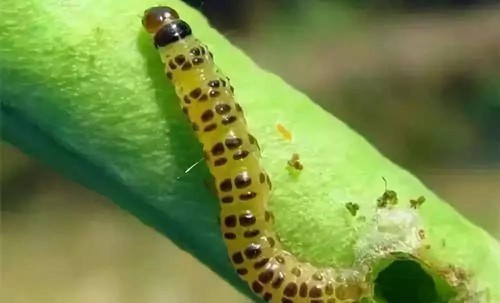
Tebufenozide
A novel non-steroidal insect growth regulator, a newly developed insect hormone-based insecticide. It has an agonistic effect on molting hormone receptors in pests, accelerating abnormal molting and inhibiting feeding, leading to physiological disorders and starvation.
Lufenuron
The latest generation of substituted urea insecticides. Belonging to the benzoylurea class, it kills pests by acting on insect larvae and preventing the molting process.
Emamectin Benzoate
is a novel, highly effective semi-synthetic antibiotic insecticide synthesized from the fermentation product abamectin B1. It has been used in China for a long time and is currently one of the most common insecticide products.

1. Comparison of Insecticidal Mechanisms
Chlorfenapyr: Has stomach poison and contact action, does not kill eggs, has strong foliar penetration, and some systemic activity.
Indoxacarb: Has stomach poison and contact action, no systemic action, and does not kill eggs.
Tebufenozide: Lacks penetrating and phloem systemic activity; primarily works through stomach poison action, also has some contact action, and possesses extremely strong ovicidal activity.
Lufenuron: Has stomach poison and contact action, no systemic action, and is a powerful ovicidal agent.
Emamectin Benzoate: Primarily a stomach poison with some contact action; its insecticidal mechanism is to inhibit the motor nerves of pests.
These five insecticides primarily work through stomach poison and contact application. Using penetrants/spreaders (pesticide adjuvants) during application significantly enhances their effectiveness.
2. Comparison of Insecticidal Spectrum
Chlorfenapyr: Effective against borers, suckers, chewing insects, and mites, particularly resistant pests such as the diamondback moth, beet armyworm, cabbage looper, leaf roller, American serpentine leafminer, spider mites, and thrips.
Indoxacarb: Effective against lepidopteran pests, primarily used to control beet armyworm, diamondback moth, cabbage worm, beet armyworm, bollworm, tobacco budworm, and leaf roller.
Tebufenozide: Uniquely effective against all lepidopteran pests, with particular efficacy against resistant pests such as bollworm, cabbage worm, diamondback moth, and beet armyworm.
Lufenuron: Particularly effective in controlling rice leaf rollers, it is also used to control leaf rollers, diamondback moths, cabbage worms, beet armyworms, cotton bollworms, as well as whiteflies, thrips, and rust mites.
Emamectin Benzoate: Highly active against lepidopteran larvae and many other pests and mites, exhibiting both stomach poison and contact action. It is effective against lepidopteran armyworms, potato tuber moths, beet armyworms, apple leafminer moths, peach fruit moths, rice stem borers, and cabbage worms. It is particularly effective against lepidopterans and dipterans.
Broad-spectrum insecticidal activity: Emamectin Benzoate > Chlorfenapyr > Lufenuron > Indoxacarb ≥ Tebufenozide
3. Comparison of Insect Mortality Rate
Chlorfenapyr: Insect activity weakens and spots appear about 1 hour after application, changing color and activity. Insects become lethargic, paralyzed, and eventually die. Peak mortality occurs within 24 hours.
Indoxacarb: Insects stop feeding within 0-4 hours and are paralyzed. Their coordination decreases (causing larvae to fall from crops). Death typically occurs within 1-3 days after application.
Tebufenozide: After feeding, it disrupts the insect's hormonal balance, causing them to refuse to feed. Insects typically stop feeding 5 hours after feeding. Molting occurs 1-2 days later, leading to incomplete molting, refusal to feed, dehydration, and death within 2-3 days. Peak mortality occurs around 3 days later.
Emamectin Benzoate: Causes irreversible paralysis in pests, stopping them from feeding. Death occurs after 2-4 days, resulting in a slow insecticidal rate.
Lufenuron: After contact with the pesticide or ingestion of pesticide-contaminated leaves, pests are paralyzed within 2 hours, ceasing feeding and crop damage. Peak mortality occurs after 3-5 days.
Insecticidal rate: Chlorfenapyr > Indoxacarb > Tebufenozide > Emamectin Benzoate > Lufenuron
4. Duration of action comparison
Chlorfenapyr: Does not kill eggs, but is highly effective against older insects, with a control period of approximately 7-10 days.
Indoxacarb: Does not kill eggs, but is effective against lepidopteran pests of all sizes, with a control period of approximately 12-15 days.
Emamectin Benzoate: Has a relatively long duration of action, 10-15 days for pests and 15-25 days for mites.
Tebufenozide: Possesses excellent ovicidal ability and induces chemical sterilization in pests after ingestion, resulting in a relatively long residual effect, generally around 15-30 days.
Lufenuron: Has strong ovicidal activity and a relatively long control period, up to 25 days.
Residual Effect: Lufenuron ≥ Tebufenozide > Emamectin Benzoate > Indoxacarb > Chlorfenapyr
5. Leaf Retention Rate Comparison
The ultimate goal of insecticides is to prevent pests from continuing to damage crops. The speed and number of pest deaths are largely subjective; the leaf retention rate is the true indicator of product value.
Comparing the effects on controlling rice leaf rollers, lufenuron achieves a leaf retention rate of over 90%, Emamectin Benzoate 80.7%, Indoxacarb 80%, Tebufenozide around 65%, and Chlorfenapyr around 65%.
Leaf retention rate: Lufenuron > Emamectin Benzoate > Indoxacarb > Tebufenozide ≥ Chlorfenapyr
6. Safety Comparison
Lufenuron: No phytotoxicity reports have been observed to date. It does not cause a resurgence of sucking pests and has mild effects on beneficial adult insects and predatory spiders.
Chlorfenapyr: Sensitive to cruciferous vegetables and cucurbits; high temperatures or high doses can easily cause phytotoxicity.
Indoxacarb: Very safe, with no phytotoxicity reactions. Vegetables or fruits can be harvested and consumed the day after application.
Tebufenozide: Also highly safe, with no phytotoxicity reactions. It can chemically sterilize some lepidopteran pests after application, and a second period of insect mortality occurs after 10 days. It has no toxic side effects on bees, predatory mites, etc., making it very safe.
Emamectin Benzoate: Highly safe for all crops in protected cultivation or at 10 times the recommended dosage. It is an environmentally friendly, low-toxicity pesticide.
Safety: Emamectin Benzoate ≥ Tebufenozide ≥ Indoxacarb > Lufenuron > Chlorfenapyr


