

Can auxin be used to control the growth of aquatic plants? As an auxin supplier, this is a question I get quite often. Today, I'm gonna dive deep into this topic and share with you what I know.
First off, let's talk about what auxin is. Auxin is a type of plant growth regulator. It plays a super important role in various aspects of plant growth, like cell elongation, root initiation, and apical dominance. There are different types of auxins, some natural and some synthetic.
Now, when it comes to aquatic plants, the idea of using auxin to control their growth has both pros and cons.
Pros of Using Auxin to Control Aquatic Plant Growth
-
Promote Root Development
- For many aquatic plants, a strong root system is crucial. Auxin can stimulate root growth, helping the plants to anchor better in the substrate of an aquatic environment, whether it's a natural pond or a man - made aquarium. For example, using CAS No. 60096 - 23 - 3 IBA - K Indole Butyric Acid 98% Technical C12H12KNO2, a synthetic auxin, can encourage more lateral root formation in aquatic plants. This is especially useful in aquascaping, where well - rooted plants can create a more stable and beautiful underwater landscape.
-
Regulate Plant Shape
- Auxin can influence the shape of aquatic plants. By applying the right amount of auxin, we can control the height and branching of the plants. In an aquarium, this can be used to create a more balanced and aesthetically pleasing layout. For instance, if you want a shorter, bushier plant, you can use an appropriate auxin treatment to suppress apical dominance and promote lateral growth.
-
Enhance Growth in Nutrient - Poor Conditions
- In some natural water bodies or aquariums with limited nutrients, auxin can give aquatic plants a boost. It can help the plants utilize the available nutrients more efficiently and maintain better growth. Some plants may grow faster and healthier when treated with auxin, even in sub - optimal environmental conditions.
Cons of Using Auxin to Control Aquatic Plant Growth
- Over - growth Risk
- One of the biggest concerns is that if the concentration of auxin is not properly controlled, it can lead to excessive growth of aquatic plants. This can quickly turn an aquarium or a pond into a mess. The over - grown plants can block light penetration, which is harmful to other organisms in the water, such as algae and small fish that rely on light for photosynthesis and energy.
- Environmental Impact
- Releasing auxin into natural water bodies can have unintended environmental consequences. The excess auxin may affect non - target organisms, like invertebrates and bacteria that are essential for the ecological balance of the water. It could disrupt the food chain and the overall health of the aquatic ecosystem.
- Resistance Development
- Just like with pesticides, continuous use of auxin on aquatic plants may lead to the development of resistance. Over time, the plants may become less responsive to the auxin treatment, which means we may need to use higher concentrations to achieve the same effect. This not only increases the cost but also exacerbates the potential negative impacts.
Practical Considerations for Using Auxin in Aquatic Environments

If you're considering using auxin to control the growth of aquatic plants, there are a few things you need to keep in mind.
- Dosage
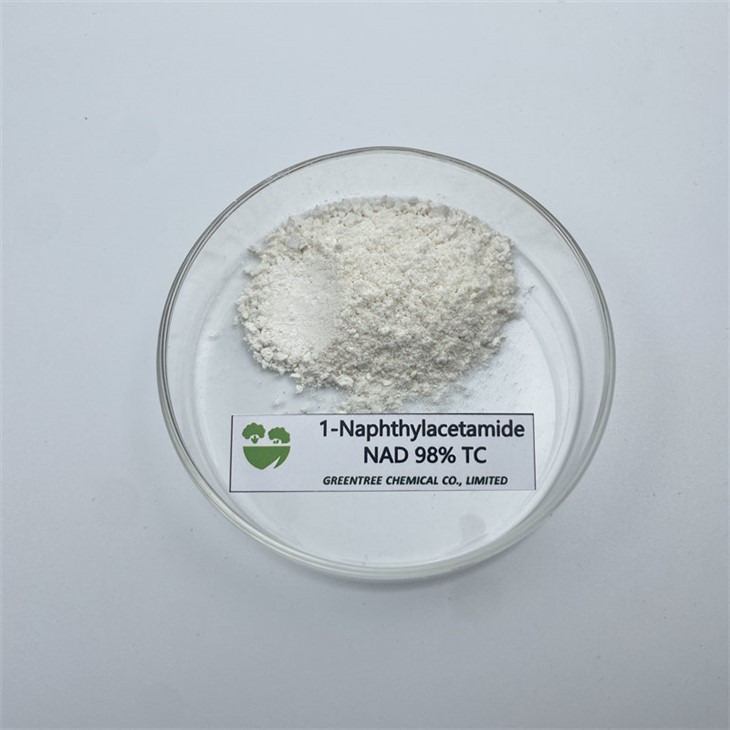
- The dosage is crucial. You need to follow the instructions carefully. Different types of auxins have different recommended concentrations for aquatic use. For example, Sodium 1 - Naphthylacetamide Acetic Acid 98%Tc Products 86 - 86 - 2 C12H11NO has a specific concentration range that works best for stimulating root growth in aquatic plants. Too high a dosage can cause harm, while too low a dosage may not have the desired effect.
- Application Method
- There are different ways to apply auxin to aquatic plants. You can add it directly to the water, but this method requires more careful control of the concentration. Another option is to treat the plant roots before planting them in the water. This is a more targeted approach and can reduce the risk of spreading the auxin throughout the entire water body.
- Monitoring
- After applying auxin, it's important to monitor the plants' growth and the overall water quality. Watch out for any signs of over - growth or negative impacts on other organisms in the water. If you notice any problems, you may need to take corrective actions, such as reducing the auxin dosage or changing the application method.
As an auxin supplier, I understand that everyone has different needs when it comes to using auxin for aquatic plant growth control. Whether you're an aquascaping enthusiast looking to create a beautiful underwater world or a pond manager trying to maintain a healthy ecosystem, we have a range of auxin products to meet your requirements, like CAS NO. 86 - 86 - 2 C12H11NO Rooting Hormone 1 - Naphthylacetamide 1 - NAD 98%TC for Sale.
If you're interested in learning more about our auxin products or want to discuss how to use them effectively for your aquatic plants, don't hesitate to reach out. We're here to help you make the most out of auxin for your specific situation.
References
- Taiz, L., & Zeiger, E. (2010). Plant Physiology. Sinauer Associates.
- Davies, P. J. (Ed.). (2013). Plant Hormones: Biosynthesis, Signal Transduction, Action! Springer.


