

As a seasoned supplier of NAA plant hormone, I've been deeply involved in the world of plant growth regulators for many years. One question that frequently arises in my line of work is whether NAA can be used in hydroseeding. In this blog post, I'll delve into this topic, exploring the science behind NAA, its potential benefits and drawbacks in hydroseeding, and how it compares to other plant growth regulators.
Understanding NAA (Naphthaleneacetic Acid)
NAA is a synthetic auxin, a class of plant hormones that play a crucial role in various aspects of plant growth and development. Auxins are involved in processes such as cell elongation, root initiation, apical dominance, and fruit development. NAA, in particular, has been widely used in agriculture and horticulture for its ability to promote root growth, enhance plant establishment, and improve overall plant health.
The chemical structure of NAA is similar to that of indole-3-acetic acid (IAA), the naturally occurring auxin in plants. However, NAA is more stable and less prone to degradation than IAA, making it a popular choice for commercial applications. It can be applied to plants in various forms, including powders, liquids, and granules, and is often used in combination with other plant growth regulators to achieve specific results.
Hydroseeding: An Overview
Hydroseeding is a method of planting grass, wildflowers, or other vegetation by spraying a mixture of seed, water, mulch, fertilizer, and sometimes other additives onto the soil surface. This technique is commonly used for large-scale landscaping projects, erosion control, and reclamation of disturbed areas. Hydroseeding offers several advantages over traditional seeding methods, including faster germination, better seed-to-soil contact, and reduced erosion.
The hydroseeding mixture typically consists of the following components:
- Seed: The type of seed used depends on the desired vegetation and the specific site conditions. Common grass species used in hydroseeding include Kentucky bluegrass, fescue, and ryegrass, while wildflower mixes may include a variety of annual and perennial species.
- Water: Water is the carrier for the other components of the hydroseeding mixture and is essential for seed germination and plant growth.
- Mulch: Mulch helps to protect the seeds from erosion, retain moisture, and provide a favorable environment for germination. Common types of mulch used in hydroseeding include wood fiber, paper fiber, and straw.
- Fertilizer: Fertilizer provides essential nutrients for plant growth and development. The type and amount of fertilizer used depend on the soil conditions and the specific needs of the vegetation.
- Additives: Other additives may be included in the hydroseeding mixture to improve seed germination, enhance plant growth, or control pests and diseases. These additives may include plant growth regulators, wetting agents, and pesticides.
Can NAA Be Used in Hydroseeding?
The short answer is yes, NAA can be used in hydroseeding. In fact, NAA has several potential benefits when used in this application:
- Promotes Root Growth: One of the primary functions of NAA is to stimulate root growth. By promoting the development of a strong root system, NAA can help plants establish more quickly and effectively in the hydroseeded area. This can lead to faster germination, better plant survival rates, and improved overall plant health.
- Enhances Plant Establishment: In addition to promoting root growth, NAA can also enhance plant establishment by improving the plant's ability to absorb water and nutrients from the soil. This can be particularly beneficial in areas with poor soil conditions or where water availability is limited.
- Improves Resistance to Stress: NAA has been shown to improve the plant's resistance to various stresses, such as drought, heat, and disease. By enhancing the plant's natural defense mechanisms, NAA can help plants better withstand adverse environmental conditions and maintain their health and vigor.
- Increases Seed Germination: Some studies have suggested that NAA can increase seed germination rates by breaking seed dormancy and promoting the activation of enzymes involved in germination. This can be particularly useful for seeds that have a hard seed coat or are slow to germinate.
However, it's important to note that the use of NAA in hydroseeding should be carefully considered and regulated. Like any plant growth regulator, NAA can have both positive and negative effects on plants, depending on the dosage, application method, and timing. Overuse or improper use of NAA can lead to phytotoxicity, reduced plant growth, and other undesirable effects.

Factors to Consider When Using NAA in Hydroseeding
Before using NAA in hydroseeding, it's important to consider the following factors:
- Dosage: The appropriate dosage of NAA depends on several factors, including the type of plant, the stage of growth, and the specific application. It's important to follow the manufacturer's instructions and guidelines when applying NAA to ensure that the correct dosage is used.
- Application Method: NAA can be applied to the hydroseeding mixture in various ways, including mixing it directly with the seed, adding it to the water tank, or spraying it onto the soil surface after hydroseeding. The choice of application method depends on the specific product and the equipment available.
- Timing: The timing of NAA application is also important. In general, NAA should be applied at the appropriate stage of plant growth to achieve the desired results. For example, it may be more effective to apply NAA during the early stages of seed germination or root development.
- Compatibility: NAA may interact with other components of the hydroseeding mixture, such as fertilizers, pesticides, and other plant growth regulators. It's important to ensure that the NAA is compatible with the other additives in the mixture to avoid any negative interactions.
- Environmental Conditions: The effectiveness of NAA can be influenced by environmental conditions, such as temperature, humidity, and soil moisture. It's important to consider these factors when applying NAA to ensure that the plants are able to respond to the treatment.
Comparing NAA with Other Plant Growth Regulators
In addition to NAA, there are several other plant growth regulators that can be used in hydroseeding. Some of the most common ones include:
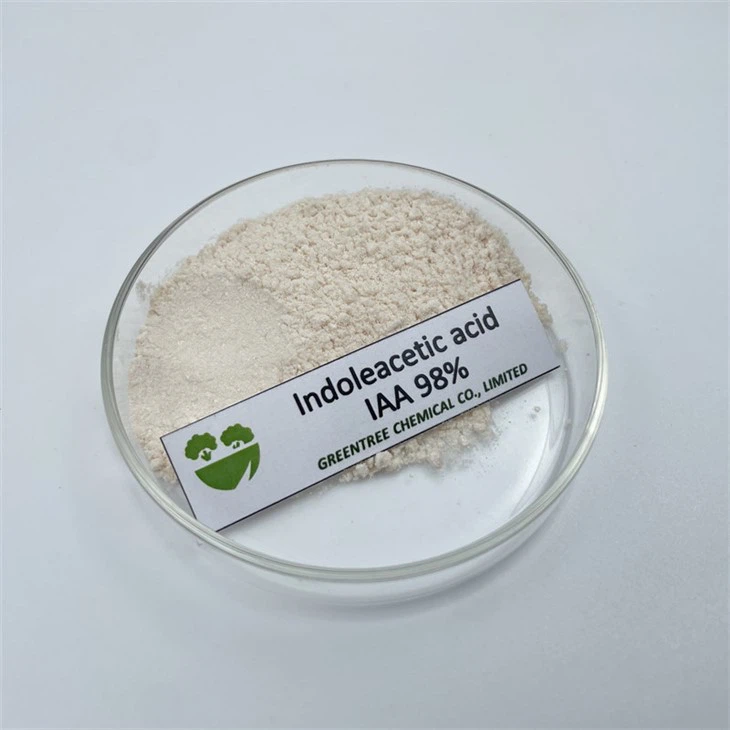
- Indole-3-Acetic Acid (IAA): As mentioned earlier, IAA is the naturally occurring auxin in plants. It has similar functions to NAA but is less stable and more prone to degradation. IAA is often used in research and experimental applications, but it can also be used in hydroseeding to promote root growth and plant establishment. Direct Sale Indole Acetic Acid Powder 98% Tc Iaa Plant Growth Regulator
- Gibberellins (GA): Gibberellins are a group of plant hormones that play a role in stem elongation, seed germination, and fruit development. They can be used in hydroseeding to promote plant growth and increase plant height.
- Cytokinins: Cytokinins are plant hormones that promote cell division and differentiation. They can be used in hydroseeding to enhance plant growth, improve leaf color and quality, and delay senescence.
- Abscisic Acid (ABA): Abscisic acid is a plant hormone that plays a role in stress response, seed dormancy, and stomatal closure. It can be used in hydroseeding to improve the plant's resistance to drought, heat, and other environmental stresses.
Each of these plant growth regulators has its own unique properties and functions, and the choice of which one to use depends on the specific needs and goals of the hydroseeding project. In some cases, a combination of different plant growth regulators may be used to achieve the best results.
Our NAA Products
As a leading supplier of NAA plant hormone, we offer a range of high-quality NAA products that are suitable for hydroseeding and other applications. Our CAS No. 86-87-3 Plant Growth Hormone Naphthaleneacetic Acid NAA 98% is a pure and potent form of NAA that has been carefully formulated to provide optimal results. It is available in powder form, which is easy to mix with the hydroseeding mixture and apply to the soil surface.
In addition to NAA, we also offer CAS NO. 87-51-4 Premium Plant Growth Regulator Iaa Indole-3-Acetic Acid 98%Tc, a high-quality indole-3-acetic acid product that can be used in combination with NAA to enhance plant growth and development. Our IAA product is derived from natural sources and is free from harmful chemicals and contaminants.
Contact Us for More Information
If you're interested in using NAA or other plant growth regulators in your hydroseeding project, we'd be happy to help. Our team of experts can provide you with detailed information about our products, including their features, benefits, and application methods. We can also offer customized solutions based on your specific needs and requirements.
To learn more about our NAA products and how they can be used in hydroseeding, please contact us today. We look forward to hearing from you and helping you achieve your landscaping goals.
References
- Davies, P. J. (2010). Plant Hormones: Biosynthesis, Signal Transduction, Action! Kluwer Academic Publishers.
- Taiz, L., & Zeiger, E. (2010). Plant Physiology. Sinauer Associates.
- Hartmann, H. T., Kester, D. E., Davies, F. T., & Geneve, R. L. (2010). Plant Propagation: Principles and Practices. Prentice Hall.


