

Fungicides are essential tools in modern agriculture, protecting crops from a wide range of fungal diseases. However, as a fungicides supplier, I'm often asked about the potential effects of these chemicals on plant hormones. In this blog, we'll explore the relationship between fungicides and plant hormones, drawing on scientific research and real - world experience.
Understanding Plant Hormones
Plant hormones, also known as phytohormones, are chemical messengers that regulate various aspects of plant growth, development, and response to environmental stress. There are several major classes of plant hormones, including auxins, cytokinins, gibberellins, abscisic acid, and ethylene.
Auxins are involved in cell elongation, apical dominance, and root development. Cytokinins promote cell division, delay senescence, and influence shoot growth. Gibberellins play a role in stem elongation, seed germination, and flowering. Abscisic acid is responsible for regulating responses to stress, such as drought and cold, and it also controls seed dormancy. Ethylene is a gaseous hormone that affects fruit ripening, leaf abscission, and responses to wounding.
How Fungicides Work
Fungicides work by either preventing fungal infection or killing the fungi that are already present on the plant. They can be classified into different groups based on their mode of action. Some fungicides inhibit the synthesis of fungal cell walls, while others disrupt fungal membrane function or interfere with fungal metabolism.
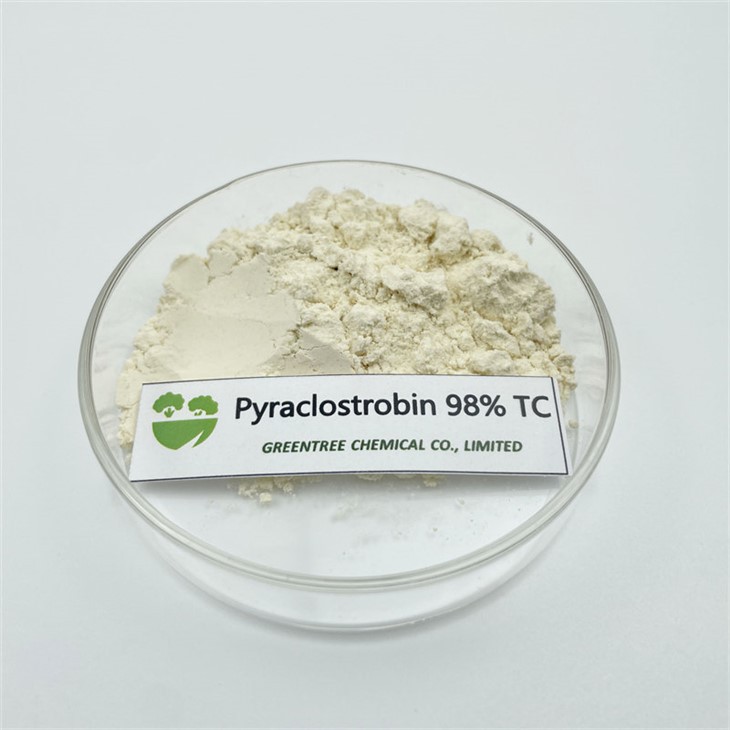
For example, CAS 32809 - 16 - 8 Procymidone 50% Wp Fungicides Customized Packing is a dicarboximide fungicide. It acts by inhibiting the germination of fungal spores and the growth of the fungal mycelium. CAS NO.175013 - 18 - 0 Pyraclostrobin Fungicide 98% Tc Technical belongs to the strobilurin class of fungicides. It works by blocking the electron transfer in the fungal mitochondria, thus preventing the production of energy in the fungi. C60H64Cl14MnN12O8 Prochloraz Manganese Chloride Complex 50% Wp Fungicide is an imidazole fungicide that inhibits the synthesis of ergosterol, an important component of the fungal cell membrane.
The Impact of Fungicides on Plant Hormones
The use of fungicides can have both direct and indirect effects on plant hormones.
Direct Effects
Some fungicides may directly interact with plant hormone - related pathways. For instance, certain fungicides can mimic or interfere with the action of plant hormones. Some studies have shown that some systemic fungicides can bind to hormone receptors in plants, altering the normal signaling processes.
A research on the impact of a particular class of fungicides on auxin transport found that the fungicide could disrupt the polar transport of auxin in plant tissues. This disruption led to abnormal growth patterns, such as stunted roots and distorted shoots. The fungicide seemed to interfere with the activity of auxin - efflux carriers, which are responsible for transporting auxin from cell to cell.
Indirect Effects
Fungicides can also have indirect effects on plant hormones by changing the plant's physiological state. When a plant is infected with fungi, its hormone balance is often disrupted. For example, fungal infections can cause an increase in the production of abscisic acid, which is part of the plant's stress - response mechanism. By controlling fungal infections, fungicides can help restore the normal hormone balance in the plant.
On the other hand, the application of fungicides can also cause oxidative stress in plants. Oxidative stress can lead to changes in the levels of plant hormones. For example, an increase in reactive oxygen species (ROS) due to fungicide application can trigger the synthesis of ethylene, which may result in premature leaf abscission or fruit drop.
Case Studies
Let's look at some real - world examples of how fungicides affect plant hormones.
In a study on grapevines, the application of a commonly used fungicide was found to influence the levels of gibberellins in the plants. The researchers observed that after the fungicide treatment, the grapevines showed an increase in stem elongation. Further analysis revealed that the fungicide had stimulated the synthesis of gibberellins in the plant tissues. This led to enhanced growth and development of the grapevines, resulting in larger clusters of grapes.
In another case, in wheat fields, the use of a specific fungicide was associated with a decrease in the levels of abscisic acid. This decrease was beneficial as it reduced the plant's stress - related responses, allowing the wheat plants to focus more on growth and grain development. As a result, there was an increase in the yield and quality of the wheat.
Factors Affecting the Impact of Fungicides on Plant Hormones
The impact of fungicides on plant hormones is not uniform and can be influenced by several factors.
Fungicide Type
Different types of fungicides have different chemical structures and modes of action, which can lead to varying effects on plant hormones. For example, contact fungicides, which remain on the surface of the plant, may have less of an impact on plant hormone levels compared to systemic fungicides, which are absorbed and transported throughout the plant.
Application Rate
The amount of fungicide applied also matters. Higher application rates may increase the likelihood of disrupting plant hormone balance. Excessive use of fungicides can cause over - stimulation or inhibition of hormone - related processes, leading to negative effects on plant growth and development.
Plant Species and Growth Stage
Different plant species have different sensitivities to fungicides and their effects on hormones. For example, some plants may be more tolerant of certain fungicides, while others may be more sensitive. Additionally, the growth stage of the plant at the time of fungicide application can also influence the outcome. Young plants are often more vulnerable to the effects of fungicides on their hormone systems compared to mature plants.

How to Minimize Negative Effects
As a fungicides supplier, we are committed to providing products that are effective in controlling fungal diseases while minimizing any negative impacts on plant hormones.
- Proper Selection of Fungicides: Choose fungicides that are specifically formulated for the target crop and the type of fungal disease. Consider the mode of action of the fungicide and its potential effects on plant hormones.
- Optimal Application Rates: Follow the recommended application rates provided on the product label. Avoid over - application, which can increase the risk of disrupting plant hormone balance.
- Timing of Application: Apply fungicides at the appropriate growth stage of the plant. This can help ensure that the plant is better able to tolerate the effects of the fungicide and maintain its normal hormone levels.
Conclusion
In conclusion, fungicides can have an effect on plant hormones, both directly and indirectly. While some effects can be beneficial, such as restoring the hormone balance in infected plants or promoting growth, others can be negative, leading to abnormal growth patterns or stress - related responses. As a fungicides supplier, we understand the importance of providing high - quality products and guidance to our customers to ensure the proper use of fungicides.
If you are interested in learning more about our fungicide products or have questions about their impact on plant hormones, we encourage you to contact us for a detailed discussion. We look forward to working with you to find the best solutions for your agricultural needs.
References
- Davies, P. J. (2010). Plant Hormones: Biosynthesis, Signal Transduction, Action! Kluwer Academic Publishers.
- Agrios, G. N. (2005). Plant Pathology. Elsevier Academic Press.
- Various research papers on fungicide - plant hormone interactions from scientific journals such as Plant Physiology and Molecular Plant - Microbe Interactions.


