

As a supplier of 6-Benzylaminopurine, I've witnessed firsthand the growing interest in plant growth regulators, especially within the realm of cytokinins. In this blog post, I'll delve into how 6-Benzylaminopurine interacts with cytokinins in plants, the significance of this interaction, and why it matters for growers and agricultural enthusiasts.
Understanding Cytokinins and 6-Benzylaminopurine
Cytokinins are a class of plant hormones that play crucial roles in various physiological processes, including cell division, shoot and root growth, leaf senescence, and apical dominance. These hormones are essential for maintaining plant growth and development, and their distribution and levels within plants can significantly impact overall plant health.

6-Benzylaminopurine, also known as 6-BA or BAP, is a synthetic cytokinin that mimics the effects of natural cytokinins in plants. It was one of the first synthetic cytokinins to be discovered and has since been widely used in agriculture and horticulture due to its effectiveness in promoting cell division, shoot proliferation, and delaying leaf senescence.
How 6-Benzylaminopurine Interacts with Cytokinins
Receptor Binding
Like natural cytokinins, 6-Benzylaminopurine binds to cytokinin receptors in plant cells. This binding activates a signaling pathway that triggers a cascade of cellular responses. The cytokinin receptors are part of a two-component regulatory system, which includes a histidine kinase receptor and a response regulator. When 6-Benzylaminopurine binds to the receptor, it activates the histidine kinase domain, leading to the phosphorylation of the response regulator. This phosphorylated response regulator then translocates to the nucleus and regulates the expression of cytokinin-responsive genes.
Gene Expression Regulation
The interaction between 6-Benzylaminopurine and cytokinins has a profound impact on gene expression. By binding to receptors and activating the signaling pathway, 6-Benzylaminopurine can upregulate or downregulate the expression of specific genes involved in cell division, growth, and development. For example, genes related to cyclins, which are proteins that regulate the cell cycle, are often upregulated in the presence of cytokinins and 6-Benzylaminopurine. This leads to an increase in cell division rates, which is particularly important for shoot and root growth.
Physiological Effects
The combined action of 6-Benzylaminopurine and endogenous cytokinins can enhance various physiological processes in plants. One of the most notable effects is the promotion of axillary bud growth. In many plants, apical dominance suppresses the growth of axillary buds. However, cytokinins and 6-Benzylaminopurine can counteract this effect by promoting the outgrowth of axillary buds, leading to bushier plants with more lateral branches.
Another important physiological effect is the delay of leaf senescence. As plants age, leaves naturally undergo senescence, which involves the breakdown of chlorophyll and other cellular components. Cytokinins and 6-Benzylaminopurine can slow down this process by regulating the expression of genes involved in senescence, such as genes encoding proteases and chlorophyll-degrading enzymes. This results in greener and more photosynthetically active leaves for a longer period.
Importance of 6-Benzylaminopurine in Agriculture and Horticulture
The interaction between 6-Benzylaminopurine and cytokinins has numerous practical applications in agriculture and horticulture.
Micropropagation
In micropropagation, 6-Benzylaminopurine is widely used to induce shoot proliferation from explants. By providing an exogenous source of cytokinin-like activity, 6-Benzylaminopurine can stimulate the growth of multiple shoots from a single explant, which is essential for mass-producing plantlets in tissue culture. This technique is commonly used for propagating ornamental plants, fruit trees, and other valuable plant species.
Fruit Set and Quality
6-Benzylaminopurine can also improve fruit set and quality. By promoting cell division and growth in the developing fruit, it can lead to larger and more uniform fruits. Additionally, it can enhance the shelf life of fruits by delaying the onset of senescence. For example, in grape production, 6-Benzylaminopurine is often used to increase berry size and improve cluster compactness.
Stress Tolerance
Plants treated with 6-Benzylaminopurine have been shown to have improved stress tolerance. The interaction with cytokinins can help plants better cope with abiotic stresses such as drought, salinity, and temperature extremes. By regulating gene expression related to stress responses, 6-Benzylaminopurine can enhance the plant's ability to maintain cellular homeostasis and protect against oxidative damage.
Other Cytokinins in the Market
In addition to 6-Benzylaminopurine, there are other cytokinins available in the market that can also be used in combination with it to achieve optimal plant growth and development.
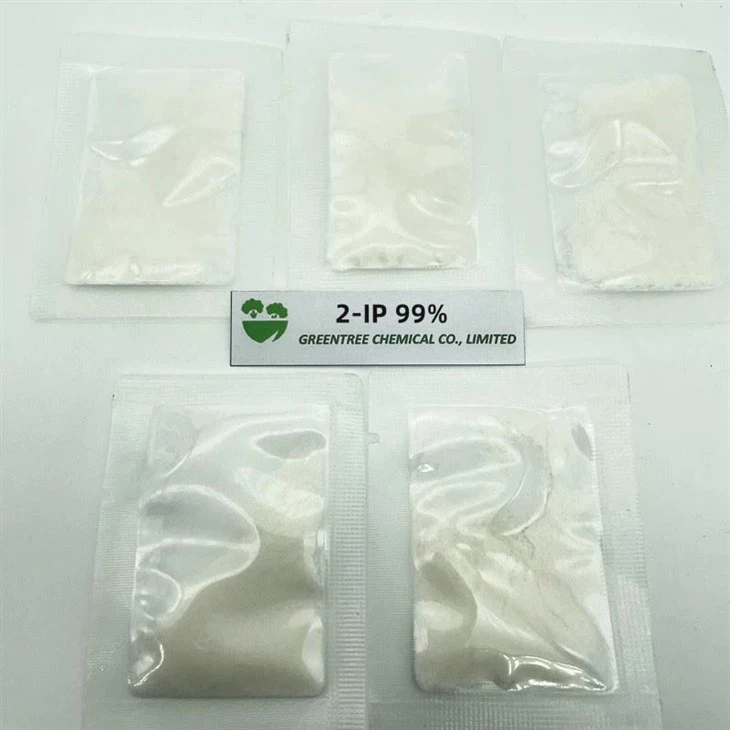
- CAS 2365-40-4 2-IP N6-(2-Isopentenyl)adenine 98% Agrochemical Pgr [/plant-growth - regulators/cytokinin/cas-2365-40-4-2ip-n6-2-isopentenyl-adenine-98.html]: This is a natural cytokinin that is often used in plant tissue culture and agriculture. It has similar effects to 6-Benzylaminopurine but may have different potency and application rates.
- CAS NO. 525-79-1 Kinetin 6-KT 98% 6-furfurylaminopurine Plant Growth Hormone Cytokinin [/plant-growth - regulators/cytokinin/cas-no-525-79-1-plant-growth-hormone.html]: Kinetin is one of the earliest discovered cytokinins. It can stimulate cell division and growth in plants and is commonly used in combination with other plant growth regulators to improve plant growth and development.
- C12H10CLN3O Cppu 99% Technical Content Plant Hormone [/plant-growth - regulators/cytokinin/cas-no-68157-60-8-cppu-99-technical-content.html]: Cppu is a synthetic cytokinin-like substance that has strong effects on promoting fruit growth and development. It can increase fruit size, improve fruit shape, and enhance fruit quality.
Conclusion
The interaction between 6-Benzylaminopurine and cytokinins is a complex and fascinating process that has far-reaching implications for plant growth and development. As a supplier of 6-Benzylaminopurine, I'm committed to providing high-quality products that can help growers achieve their agricultural and horticultural goals. Whether you're looking to improve micropropagation efficiency, enhance fruit set and quality, or increase plant stress tolerance, 6-Benzylaminopurine and other cytokinins can be valuable tools in your arsenal.
If you're interested in learning more about our 6-Benzylaminopurine products or discussing your specific plant growth regulator needs, I encourage you to contact us for a detailed discussion. We're here to provide you with the best solutions and support to ensure the success of your crops.
References
- Mok, D. W. S., & Mok, M. C. (2001). Cytokinins: Chemistry, activity, and function. Annual Review of Plant Physiology and Plant Molecular Biology, 52, 89 - 118.
- Sakakibara, H. (2006). Cytokinin metabolism and signaling. Annual Review of Plant Biology, 57, 431 - 449.
- Werner, T., Motyka, V., Lahousse, M., Tretyn, A., & Schmülling, T. (2001). Regulation of plant growth by cytokinin. Proceedings of the National Academy of Sciences, 98(16), 10487 - 10492.


