

Hey there, plant enthusiasts! Today, I'm stoked to talk about one of the most fascinating plant growth regulators out there: Kinetin Cytokinin. As a supplier of this awesome stuff, I've seen firsthand how it can work wonders for plant cell division. So, let's dive right in and explore how Kinetin Cytokinin affects cell division in plants.
First things first, what exactly is Kinetin Cytokinin? Well, it's a type of cytokinin, which is a class of plant hormones that play a crucial role in regulating various aspects of plant growth and development. Cytokinins are involved in processes like cell division, shoot and root growth, leaf senescence, and even stress responses. Kinetin, in particular, was one of the first cytokinins to be discovered, and it's been studied extensively ever since.
So, how does Kinetin Cytokinin actually affect cell division in plants? To understand that, we need to take a quick look at the cell cycle. The cell cycle is the series of events that a cell goes through as it grows and divides into two daughter cells. It consists of four main phases: G1 (Gap 1), S (Synthesis), G2 (Gap 2), and M (Mitosis). During the G1 phase, the cell grows and prepares for DNA replication. In the S phase, the cell's DNA is replicated. The G2 phase is a period of further growth and preparation for mitosis, and during the M phase, the cell divides into two daughter cells.
Kinetin Cytokinin has a big impact on several stages of the cell cycle. One of the main ways it affects cell division is by promoting the transition from the G1 phase to the S phase. It does this by activating certain genes and proteins that are involved in DNA replication and cell cycle progression. When Kinetin is present, cells are more likely to enter the S phase and start replicating their DNA, which ultimately leads to more cell division.
Another way Kinetin Cytokinin affects cell division is by regulating the activity of cyclin-dependent kinases (CDKs). CDKs are enzymes that play a key role in controlling the progression of the cell cycle. They work together with proteins called cyclins to phosphorylate (add a phosphate group to) other proteins, which in turn triggers various events in the cell cycle. Kinetin can increase the activity of CDKs, which helps to drive the cell cycle forward and promote cell division.
In addition to its effects on the cell cycle, Kinetin Cytokinin also plays a role in regulating the balance between cell division and differentiation. Differentiation is the process by which cells become specialized and take on specific functions in the plant. Kinetin can help to maintain a pool of undifferentiated cells, which can then divide and differentiate into different types of cells as needed. This is important for processes like shoot and root development, where new cells need to be constantly produced and differentiated.
Now, let's talk about some of the practical applications of Kinetin Cytokinin in plant growth and development. One of the most common uses of Kinetin is in tissue culture. Tissue culture is a technique where small pieces of plant tissue are grown in a laboratory under controlled conditions. Kinetin can be added to the culture medium to promote cell division and the formation of new shoots and roots. This is especially useful for propagating plants that are difficult to grow from seeds or cuttings.
Kinetin Cytokinin can also be used to improve the overall growth and health of plants. When applied to plants, it can increase the number of leaves, branches, and flowers, as well as improve the quality of the fruit and vegetables. It can also help plants to tolerate stress conditions like drought, heat, and disease.
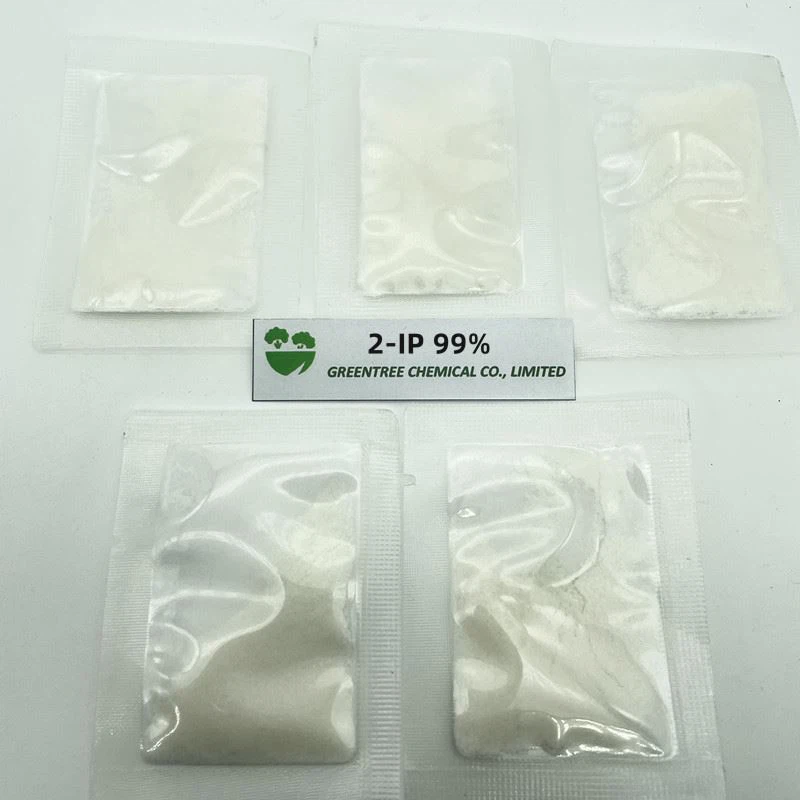
As a supplier of Kinetin Cytokinin, I'm always excited to see the positive effects it has on plants. But Kinetin isn't the only cytokinin we offer. We also have other high - quality cytokinin products that you might be interested in. For example, we have CAS NO. 2365-40-4 2-IP 98% N6-(2-Isopentenyl)adenine Plant Growth Regulator, which is another powerful plant growth regulator. It can also promote cell division and enhance plant growth and development.
Another great product we have is CAS NO. 68157-60-8 CPPU 99% Forchlorfenuron KT - 30 Fruit - Enlarging. This cytokinin is specifically designed to increase the size and quality of fruits. It can also improve the amino acid content of fruits, making them more nutritious and delicious. You can also check out Forchlorfenuron Cppu 2% Sp Plant Hormone Improve The Amino Acid Content for more details.
If you're a farmer, a gardener, or a plant researcher, and you're looking to improve the growth and productivity of your plants, then Kinetin Cytokinin and our other cytokinin products could be just what you need. We're here to provide you with high - quality products at competitive prices and excellent customer service. If you're interested in learning more about our products or want to discuss your specific needs, don't hesitate to reach out. We're always happy to have a chat and help you find the right plant growth regulators for your situation.
References

- Davies, P. J. (Ed.). (2010). Plant Hormones: Biosynthesis, Signal Transduction, Action! Springer.
- Salisbury, F. B., & Ross, C. W. (1992). Plant Physiology. Wadsworth Publishing Company.


