Hey there! As a supplier of Naphthyl acetamide, I've got quite a bit of knowledge about how its quality can change during storage. Let's dive right into it.
First off, what is Naphthyl acetamide? Well, it's a plant growth regulator, often used to promote root development in plants. You might have seen products like CAS NO. 86-86-2 C12H11NO Rooting Hormone 1-Naphthylacetamide 1-NAD 98%TC for Sale and CAS NO. 86-86-2 Plant Growth Hormone 1-Naphthylacetamide 1-NAD 98% out there in the market. These products contain Naphthyl acetamide and are pretty popular among gardeners and farmers.
Now, let's talk about storage. The quality of Naphthyl acetamide can be affected by several factors during storage. One of the most important factors is temperature. If the temperature is too high, Naphthyl acetamide can start to break down. High temperatures can cause chemical reactions to occur more quickly, which can lead to the degradation of the compound. For example, the molecular structure of Naphthyl acetamide might change, reducing its effectiveness as a plant growth regulator. On the other hand, if the temperature is too low, it might cause the product to crystallize or solidify, which can also affect its quality.
Another factor is humidity. Moisture in the air can react with Naphthyl acetamide. When it comes into contact with water, it might undergo hydrolysis, a chemical reaction where water breaks down the compound. This can result in the formation of by - products that are not only less effective but might also be harmful to plants. So, it's crucial to store Naphthyl acetamide in a dry environment.
Light is also a big deal. Exposure to sunlight or other intense light sources can cause photodegradation of Naphthyl acetamide. The energy from the light can break the chemical bonds in the compound, altering its structure and reducing its biological activity. That's why it's often recommended to store it in opaque containers to block out light.
The packaging of Naphthyl acetamide also plays a role in maintaining its quality during storage. A good packaging material should be able to protect the product from external factors like temperature, humidity, and light. For instance, a sealed plastic or glass container can prevent moisture from getting in and keep the product away from light.
Let's take a look at some real - world scenarios. If you store Naphthyl acetamide in a hot and humid warehouse, chances are its quality will deteriorate rapidly. You might notice a change in its appearance, like it becoming discolored or developing an unusual odor. And when you use it on plants, you might not see the expected results in terms of root growth or plant development.
On the other hand, if you store it properly in a cool, dry, and dark place, it can maintain its quality for a relatively long time. This means that when you use it, you'll get the best possible results for your plants.
Now, how can you tell if the quality of Naphthyl acetamide has changed during storage? One way is to look at its physical properties. As I mentioned earlier, changes in color, odor, or texture can be signs of degradation. You can also test its effectiveness on a small group of plants. If you don't see the same level of root growth or plant development as you did with a fresh batch, then there's a good chance the quality has been affected.
It's also important to keep track of the storage conditions and the storage time. Most products have an expiration date, but even before that, the quality can start to decline if the storage conditions are not ideal.
If you're a gardener or a farmer, you want to make sure you're using high - quality Naphthyl acetamide. And as a supplier, I'm always here to help you with that. We ensure that our products are stored under the best possible conditions before they reach you. But once you get them, it's up to you to store them properly to maintain their quality.
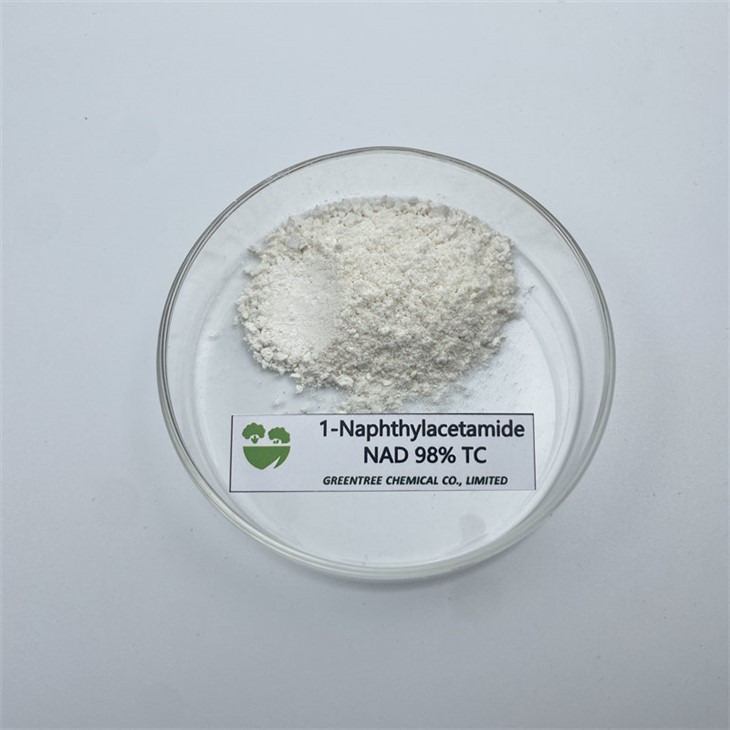

If you're in the market for Naphthyl acetamide, you might also be interested in CAS No. 86-87-3 Plant Growth Hormone Naphthaleneacetic Acid NAA 98%. It's another popular plant growth regulator that works in a similar way.
So, if you're thinking about buying Naphthyl acetamide or have any questions about its storage or quality, don't hesitate to reach out. We're here to assist you in getting the best products for your plants. Whether you're a small - scale gardener or a large - scale farmer, we've got the right solutions for you.
Let's work together to ensure that your plants get the best possible care with high - quality plant growth regulators. Contact us for more information and to start a procurement discussion.
References
- Smith, J. (2020). "Effects of Storage Conditions on Plant Growth Regulators". Journal of Horticultural Science.
- Johnson, A. (2019). "The Chemistry of Naphthyl Acetamide and Its Degradation". Chemical Reviews.