Water management is a critical factor in agricultural production, significantly impacting the yield of crops. As a yielding - increasing supplier, we understand the intricate relationship between water management and crop yield. In this blog, we will explore how proper water management can influence yield - increasing and introduce some of our high - quality products that work in tandem with good water management practices.
The Basics of Water in Crop Growth
Water is essential for all physiological processes in plants. It serves as a medium for nutrient uptake, photosynthesis, and the transportation of nutrients within the plant. Adequate water supply is crucial for the germination of seeds. During this stage, water helps to activate enzymes that break down stored nutrients in the seed, allowing the embryo to grow.
Water also plays a vital role in cell expansion. As plant cells take up water, they become turgid, which is necessary for the plant's structural integrity and growth. In addition, transpiration, the process by which water evaporates from the plant's leaves, helps to cool the plant and maintain a stable internal temperature.

How Water Management Affects Yield
1. Nutrient Availability
Proper water management ensures that nutrients in the soil are available to the plants. Water acts as a solvent, dissolving essential minerals such as nitrogen, phosphorus, and potassium. These dissolved nutrients can then be absorbed by the plant roots. If there is insufficient water, the nutrients may remain trapped in the soil, leading to nutrient deficiencies in the plants. On the other hand, excessive water can cause nutrient leaching, where nutrients are washed away from the root zone, reducing their availability to the plants.
2. Photosynthesis
Photosynthesis is the process by which plants convert light energy into chemical energy. Water is one of the key reactants in photosynthesis. When there is a lack of water, the stomata (tiny pores on the leaves) close to reduce water loss. This also restricts the entry of carbon dioxide into the plant, which is essential for photosynthesis. As a result, the rate of photosynthesis decreases, leading to reduced plant growth and yield.
3. Disease and Pest Resistance
Good water management can enhance a plant's resistance to diseases and pests. Over - watering can create a humid environment that is favorable for the growth of fungal diseases. Fungi thrive in moist conditions and can infect the plant, causing damage to the leaves, stems, and roots. Proper drainage and controlled irrigation can prevent the development of such diseases. Additionally, well - hydrated plants are generally more resilient to pest attacks, as they are better able to repair damaged tissues.
Water Management Strategies for Yield - Increasing
1. Irrigation Scheduling
One of the most important aspects of water management is proper irrigation scheduling. This involves determining the right amount of water to apply and the frequency of irrigation. Different crops have different water requirements at various growth stages. For example, during the flowering and fruiting stages, many crops require more water than during the vegetative stage. By following a well - designed irrigation schedule, we can ensure that the plants receive adequate water without over - or under - watering.
2. Water Conservation Techniques
There are several water conservation techniques that can be employed to improve water use efficiency. Drip irrigation is a popular method that delivers water directly to the plant roots, reducing water loss due to evaporation and runoff. Mulching is another effective technique. A layer of organic or inorganic mulch on the soil surface reduces evaporation, keeps the soil cool, and suppresses weed growth.
3. Soil Moisture Monitoring
Monitoring soil moisture levels is essential for effective water management. This can be done using various tools such as soil moisture sensors. By regularly checking the soil moisture, we can determine when to irrigate and how much water to apply. This helps to prevent water waste and ensures that the plants are always in an optimal moisture environment.
Our Yield - Increasing Products and Water Management
As a yielding - increasing supplier, we offer a range of products that can work in harmony with proper water management practices.
4 - Chlorophenoxyacetic Acid 98%Tc Sodium 4 - CPA - Na for Promote Plant Growth is a plant growth regulator that can enhance plant growth and development. When used in conjunction with good water management, it can help the plants to better absorb nutrients and water, leading to increased yields. This product can stimulate cell division and elongation, which is crucial for the growth of roots, stems, and leaves.
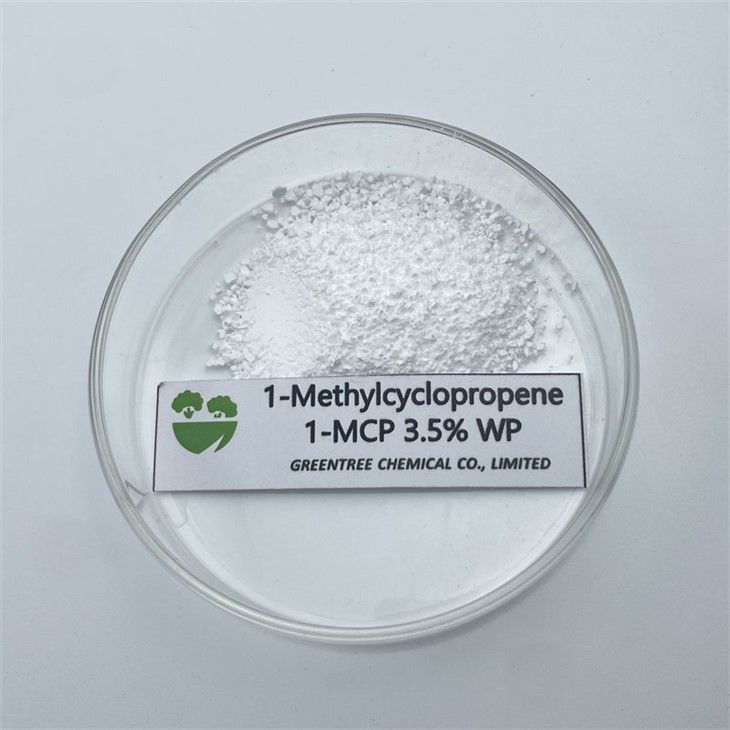
CAS No. 3100 - 04 - 7 1 - MCP 3.5%WP 1 - Methylcyclopropene Fruit And Flower Preservative is another valuable product in our portfolio. It can extend the shelf - life of fruits and flowers. With proper water management, the plants can produce high - quality fruits and flowers, and this preservative can further enhance their marketability by reducing post - harvest losses.
C9H9ClO3 Cloprop 3 - CPA 98% Plant Growth Regulator is designed to promote fruit setting and increase fruit yield. When combined with appropriate water management, it can improve the overall health of the plants and increase their productivity.
Conclusion and Call to Action
In conclusion, water management has a profound influence on yield - increasing. By understanding the role of water in crop growth and implementing effective water management strategies, farmers can significantly improve their yields. Our products are designed to complement these water management practices and further enhance the productivity of the crops.
If you are interested in exploring how our yielding - increasing products can work with your water management plans to boost your crop yields, please feel free to contact us for a detailed discussion and procurement. We are committed to providing you with the best solutions for your agricultural needs.
References
Boyer, J. S. (1982). Plant productivity and environment. Science, 218(4571), 443 - 448.
Kramer, P. J., & Boyer, J. S. (1995). Water relations of plants and soils. Academic Press.
Taiz, L., & Zeiger, E. (2010). Plant physiology. Sinauer Associates.