

How to Control Overgrowth of Cacti in a Desert Garden
Managing a desert garden can be a rewarding endeavor, offering a unique and low - maintenance aesthetic. However, one of the challenges that desert gardeners often face is the overgrowth of cacti. As a leading supplier at Control Overgrowth, I've witnessed firsthand the difficulties that gardeners encounter, and I'm excited to share some effective strategies to keep your cacti in check.
Understanding Cacti Growth
Cacti are well - adapted to arid environments. Their ability to store water in their stems allows them to survive long periods of drought. However, in a garden setting, conditions can sometimes lead to excessive growth. Factors such as over - watering, nutrient - rich soil, and ideal temperatures can all contribute to cacti growing more vigorously than desired. For instance, if a cactus receives more water than it would in its natural desert habitat, it may start to grow more rapidly, stretching out and losing its compact shape.
The Importance of Regular Pruning
Pruning is one of the most straightforward ways to control cacti overgrowth. Using sharp, clean pruning shears, you can carefully remove any unwanted or overly long branches. It's crucial to wear thick gloves to protect yourself from the cactus spines. When pruning, make sure to cut at a 45 - degree angle just above a node or areole. This not only helps in controlling growth but also promotes healthy regrowth. For example, if a columnar cactus has grown too tall, you can prune the top to encourage lateral branching and create a more bushy appearance.
Adjusting Watering and Fertilization
Watering and fertilization play a significant role in cactus growth. In a desert garden, it's essential to mimic the natural arid conditions as closely as possible. Over - watering is a common mistake that leads to overgrowth. Cacti should be watered sparingly, only when the soil is completely dry. A good rule of thumb is to water deeply but infrequently.
Similarly, fertilization should be done with caution. Cacti in the wild grow in nutrient - poor soils, so they don't require a lot of fertilizing. If you do choose to fertilize, use a low - nitrogen fertilizer formulated specifically for cacti and succulents. Applying too much nitrogen can cause rapid, weak growth in cacti.
Using Plant Growth Retardants
Sometimes, despite our best efforts, cacti may still grow out of control. That's where plant growth retardants come in handy. As a Control Overgrowth supplier, I can recommend several effective products.
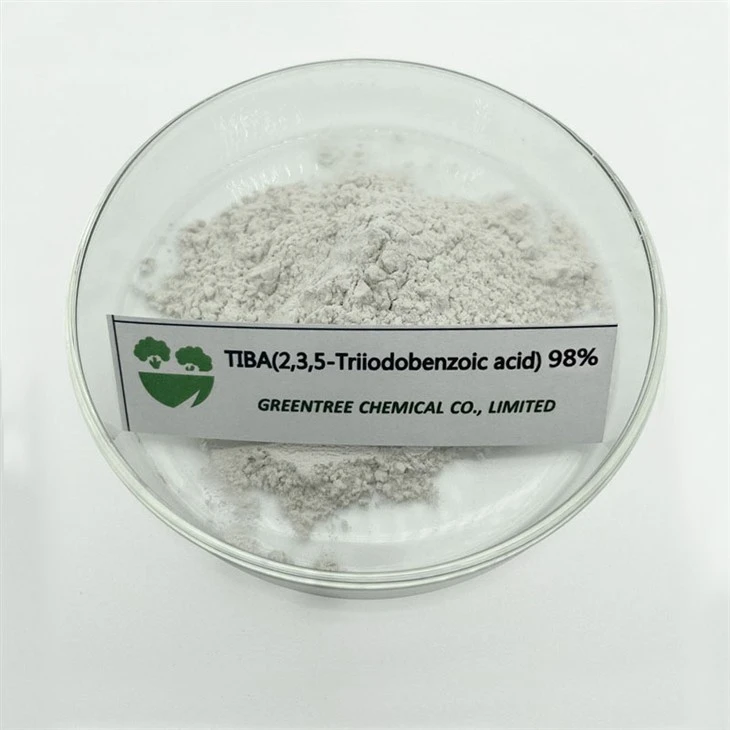
2,3,5 - Triiodobenzoic Acid Tiba 98% Tc Plant Growth Retardant is a powerful tool for reducing excessive growth in cacti. It works by interfering with the plant's hormonal balance, specifically targeting the auxin hormones responsible for cell elongation. This product is highly effective in slowing down vertical growth and promoting a more compact shape.
CAS 76738 - 62 - 0 Paclobutrazol 95% Tc Pgr Promote Flower Bud Differentiation is another excellent option. It not only controls growth but also has the added benefit of promoting flower bud differentiation. By reducing the plant's vegetative growth, it redirects energy towards flower production, resulting in more blooms in your cacti.
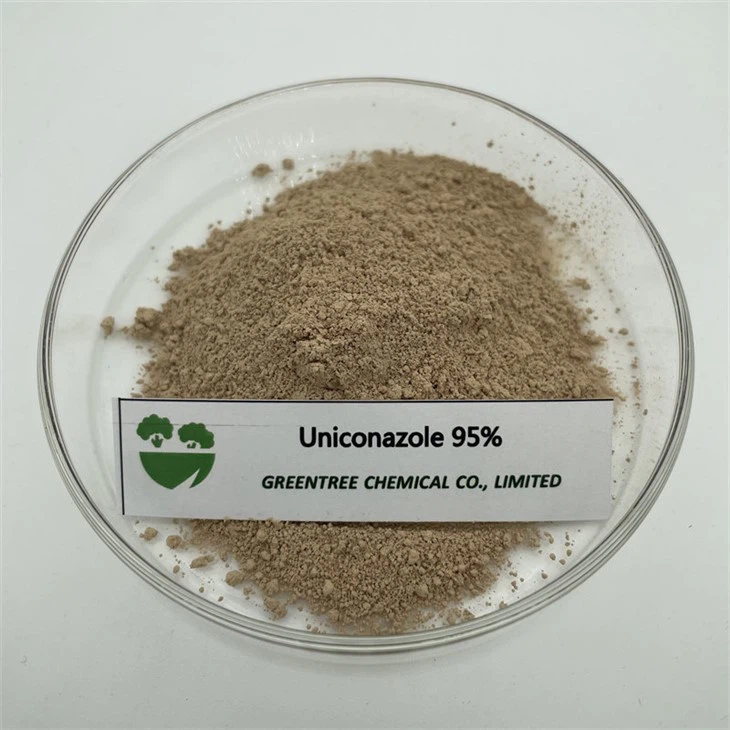
Plant Growth Retardant Hormone Uniconazole 95% is a widely used growth regulator for cacti. It inhibits gibberellin biosynthesis, which is essential for cell elongation and stem growth. Using Uniconazole can help you maintain the desired size and shape of your cacti.
When using these plant growth retardants, always follow the manufacturer's instructions carefully. Dosage and application methods can vary depending on the type of cactus and the severity of the overgrowth.
Monitoring and Maintenance
Controlling cacti overgrowth is an ongoing process. Regular monitoring of your cacti is crucial. Check for signs of new growth, disease, or insect infestations regularly. If you notice any problems early on, you can take appropriate action before they escalate.
It's also a good idea to keep a record of your watering, fertilizing, and pruning schedules. This will help you understand how your cacti respond to different treatments and allow you to make adjustments as needed.
Creating a Suitable Environment
In addition to the above methods, creating a suitable environment can also help in controlling cacti overgrowth. Consider the spacing between your cacti. If they are planted too closely together, they will compete for resources and may grow more aggressively. Make sure to provide enough space for each cactus to grow and develop properly.
The type of soil you use is also important. A well - draining soil mix is essential for cacti. You can create a custom soil mix by combining potting soil, sand, and perlite. This type of soil allows excess water to drain away quickly, preventing root rot and excessive growth.
Contact for Further Discussion
If you're facing challenges in controlling the overgrowth of cacti in your desert garden or are interested in learning more about our growth control products, don't hesitate to reach out. We're here to offer professional advice and high - quality solutions to meet your specific needs. Whether you're a novice gardener or an experienced horticulturist, we can work together to create a beautiful and well - maintained desert garden.
References
- Armitage, A. M., & Laushman, J. K. (2003). Specialty Cut Flowers: The Production of Annuals, Perennials, Bulbs, and Woody Plants for Fresh and Dried Cut Flowers. Timber Press.
- Gibson, A. C., & Nobel, P. S. (1986). The Cactus Primer. Harvard University Press.
- Ritchie, G. A., & Gilmore, S. R. (1975). The effects of 2,3,5 - triiodobenzoic acid on the growth of intact and decapitated pea seedlings. Physiologia Plantarum, 33(3), 211 - 216.


