

Hey there, fellow greenhouse growers! I'm part of a yielding - increasing supplier, and I'm super excited to share some top - notch best practices for boosting yields in greenhouse cultivation.
1. Environmental Control
First up, getting the environment right is crucial. Temperature is a biggie. Different plants have different temperature preferences. For example, tomatoes thrive in a temperature range of 21 - 24°C during the day and around 18 - 20°C at night. If it gets too hot, the plants might stop growing or even get stressed. On the other hand, if it's too cold, growth can slow down significantly.

We can use thermostats and heaters or coolers to maintain the ideal temperature. And don't forget about ventilation! Good air circulation helps prevent diseases and ensures that carbon dioxide is evenly distributed throughout the greenhouse. You can install fans or open vents at the right times to keep the air moving.
Light is another key factor. Most plants need a certain amount of light for photosynthesis. In a greenhouse, we can supplement natural light with artificial lighting. LED lights are a great option because they're energy - efficient and can be adjusted to provide the right spectrum of light for different growth stages. For instance, blue light is good for vegetative growth, while red light is more important for flowering and fruiting.
Humidity also plays a role. High humidity can lead to fungal diseases, while low humidity can cause plants to lose water too quickly. You can use humidifiers or dehumidifiers to keep the humidity at the optimal level for your plants.
2. Soil and Nutrient Management
The soil in your greenhouse is like the foundation of a building. It needs to be rich in nutrients and have good drainage. You can start by testing your soil to see what nutrients it lacks. Based on the test results, you can add fertilizers. Organic fertilizers, like compost and manure, are great because they not only provide nutrients but also improve the soil structure.
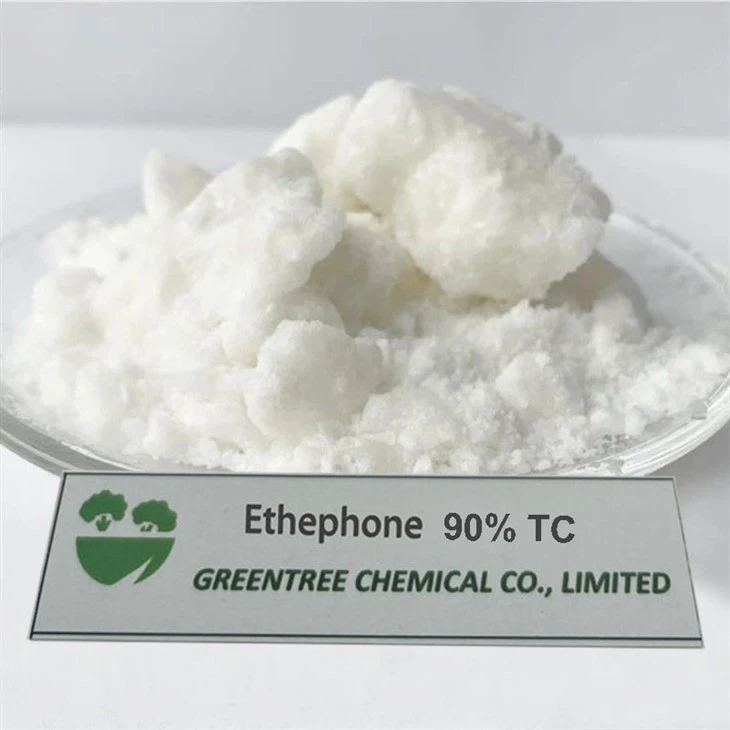
In addition to organic fertilizers, you might want to consider using some high - quality plant growth regulators. For example, CAS NO. 16672 - 87 - 0 High Purity Ethephone Ethephon Technical 90% TC 85% TC. Ethephon can promote fruit ripening and increase the number of flowers in some plants. It's a great tool to have in your greenhouse toolkit.
Another option is Ga4 + 7 90% Tc Gibberellin Gibberellic Acid From Agrochemical. Gibberellins can stimulate stem elongation, increase fruit size, and enhance seed germination. They're especially useful for plants like grapes and strawberries.
3. Pest and Disease Control
Pests and diseases can quickly ruin your greenhouse crops. The first step is prevention. Keep your greenhouse clean and free of debris. Regularly remove any dead leaves or plants, as they can attract pests and harbor diseases.
You can also use biological control methods. For example, introduce beneficial insects like ladybugs to eat aphids. There are also some natural pesticides made from plant extracts that can be effective against pests without harming the environment.
If you do have a pest or disease problem, it's important to identify it early. Some common greenhouse diseases include powdery mildew and downy mildew. You can use fungicides to control these diseases, but make sure to follow the instructions carefully. And for pests like whiteflies, CAS No. 3100 - 04 - 7 1 - Methylcyclopropene/1 - Mcp Professional can be a great solution. It can inhibit the ripening and aging of plants, which can also help reduce the attractiveness of plants to pests.
4. Pruning and Training
Pruning is an important practice for greenhouse plants. It helps to shape the plants, improve air circulation, and direct the plant's energy towards fruit production. For example, in tomato plants, you can remove the suckers (the small shoots that grow between the main stem and the branches) to focus the plant's energy on growing larger fruits.
Training plants is also crucial. You can use trellises or stakes to support the plants and keep them upright. This not only makes the plants look neater but also allows for better light penetration and air movement.
5. Water Management
Proper water management is essential for greenhouse cultivation. Over - watering can lead to root rot, while under - watering can cause the plants to wilt and stop growing. You need to find the right balance.
You can use drip irrigation systems, which are more efficient than traditional sprinklers. Drip irrigation delivers water directly to the roots of the plants, reducing water waste and minimizing the risk of diseases caused by wet foliage.
Monitoring the soil moisture is also important. You can use moisture sensors to determine when it's time to water.
6. Crop Rotation
Crop rotation is a great way to prevent soil - borne diseases and maintain soil fertility. By rotating different crops in your greenhouse, you can break the life cycle of pests and diseases that are specific to certain plants. For example, if you grow tomatoes one season, you can follow it with cucumbers or lettuce the next season.
Let's Talk!
So, there you have it - some of the best practices for increasing yields in greenhouse cultivation. As a yielding - increasing supplier, we have a wide range of products and solutions to help you achieve your goals. Whether it's plant growth regulators, fertilizers, or pest control products, we've got you covered.
If you're interested in learning more about our products or have any questions about greenhouse cultivation, don't hesitate to reach out. We're here to have a chat, share our knowledge, and work together to boost your greenhouse yields.
References
- Smith, J. (2020). Greenhouse Cultivation: A Comprehensive Guide. Agro Publishing.
- Johnson, A. (2019). Plant Growth Regulators and Their Applications in Greenhouse Crops. Horticulture Journal.


