

Naphthyl acetamide, a vital plant growth regulator, is widely utilized in the agriculture and horticulture sectors to promote root development, enhance fruit set, and improve overall plant growth. As a reliable naphthyl acetamide supplier, we understand the importance of high - purity products in achieving optimal results. In this blog, we will explore the common purification methods for naphthyl acetamide.
1. Recrystallization
Recrystallization is one of the most commonly used purification methods for naphthyl acetamide. This process is based on the principle that the solubility of a compound varies with temperature. In a typical recrystallization procedure for naphthyl acetamide, the crude product is first dissolved in a suitable solvent at an elevated temperature.
The choice of solvent is crucial. It should dissolve the naphthyl acetamide well at high temperatures but have relatively low solubility at lower temperatures. Commonly used solvents for recrystallizing naphthyl acetamide include ethanol, methanol, and some organic esters. Once the crude compound is completely dissolved in the hot solvent, the solution is allowed to cool slowly. As the temperature decreases, the solubility of naphthyl acetamide in the solvent also drops, causing the pure compound to crystallize out.
The impurities, which are either present in very small amounts or have different solubility characteristics in the chosen solvent, remain in the solution. The crystallized naphthyl acetamide can then be separated from the mother liquor by filtration. After filtration, the crystals are usually washed with a small amount of cold solvent to remove any remaining impurities on the surface. Finally, the purified crystals are dried to obtain high - purity naphthyl acetamide.
2. Column Chromatography
Column chromatography is another effective purification technique for naphthyl acetamide. This method separates the components of a mixture based on their different affinities for a stationary phase and a mobile phase.
In column chromatography of naphthyl acetamide, a column is packed with a stationary phase, which can be silica gel or alumina. The choice of stationary phase depends on the nature of the impurities and the chemical properties of naphthyl acetamide. The crude mixture of naphthyl acetamide is then loaded onto the top of the column. A mobile phase, typically a mixture of organic solvents, is passed through the column.
As the mobile phase flows through the column, the different components of the mixture interact with the stationary phase to different extents. Naphthyl acetamide, along with other components, moves down the column at different rates. The components with a weaker affinity for the stationary phase will elute from the column first, while those with a stronger affinity will take longer to come out. By collecting the eluent in fractions and analyzing each fraction, we can identify the fractions that contain pure naphthyl acetamide. These fractions are then combined and the solvent is removed by evaporation to obtain the purified compound.
Column chromatography is particularly useful when the crude naphthyl acetamide contains a complex mixture of impurities or when the impurities have very similar chemical properties to naphthyl acetamide.
3. Distillation
Although naphthyl acetamide has a relatively high melting and boiling point, distillation can still be used as a purification method under certain conditions. Distillation is based on the principle that different substances have different boiling points, and by heating a mixture to its boiling point and collecting the vapors, the components can be separated.
For naphthyl acetamide, vacuum distillation is often employed. Under reduced pressure, the boiling point of naphthyl acetamide is lowered, which reduces the risk of decomposition during the distillation process. The crude naphthyl acetamide is placed in a distillation flask and heated slowly under vacuum. As the temperature reaches the boiling point of naphthyl acetamide under the given vacuum conditions, the compound vaporizes. The vapors are then condensed and collected in a receiving flask.
However, it should be noted that distillation may not be suitable for all types of impurities. If there are impurities with boiling points very close to that of naphthyl acetamide, it may be difficult to achieve complete separation by distillation alone.
4. Sublimation
Sublimation is a physical process in which a solid directly changes to a gaseous state without passing through the liquid phase, and then the vapor condenses back to a solid on a cool surface. This method can be used to purify naphthyl acetamide because it has the property of sublimation.
To purify naphthyl acetamide by sublimation, the crude sample is placed in a sublimation apparatus. The apparatus is heated gently, and the naphthyl acetamide sublimes directly from the solid state to the vapor state. The vapors then come into contact with a cool condenser, where they condense back to a solid on the surface of the condenser.
The impurities that do not sublime at the same temperature as naphthyl acetamide remain in the original container. Sublimation is a relatively simple and efficient purification method, especially for removing non - volatile impurities from naphthyl acetamide.
Importance of Pure Naphthyl Acetamide
The purity of naphthyl acetamide is of great significance in its application. In the agricultural field, pure naphthyl acetamide can ensure consistent and reliable plant growth - promoting effects. Impurities in naphthyl acetamide may not only reduce its biological activity but also cause potential adverse effects on plants, such as leaf burn, growth inhibition, or abnormal development.
In addition, for our customers in the agricultural and horticultural industries, high - purity naphthyl acetamide can help them achieve better yields and higher - quality products. It is also in line with the requirements of environmental protection and sustainable agriculture, as pure compounds are less likely to introduce unnecessary substances into the environment.

Related Products
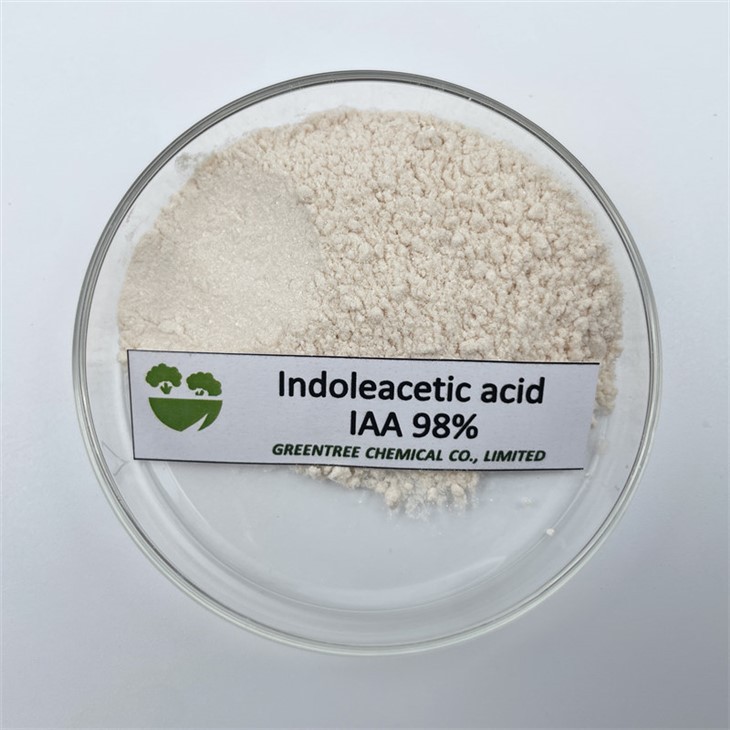
If you are also interested in other plant growth regulators, we have some related products that may catch your attention. For example, you can click on CAS 87 - 51 - 4 Iaa Indole - 3 - Acetic Acid 98 Tc Agricultural Plant Growth Promotion and CAS NO. 87 - 51 - 4 Premium Plant Growth Regulator Iaa Indole - 3 - Acetic Acid 98%Tc to learn more about Indole - 3 - Acetic Acid. Also, 98%Tc Phytohormone Naphthaleneacetic Acid Naa CAS No. 86 - 87 - 3 is another popular plant growth regulator that can be combined with naphthyl acetamide in some applications.
Contact for Purchase
As a leading naphthyl acetamide supplier, we are committed to providing high - quality products and excellent customer service. If you are interested in purchasing naphthyl acetamide or have any questions about its purification, application, or quality, please feel free to contact us. We are more than happy to discuss your specific needs and provide you with the best solutions.
References
- Smith, J. R., & Johnson, A. L. (2018). Purification Techniques in Organic Chemistry. Wiley - Blackwell.
- Brown, C. M., & Green, D. S. (2020). Plant Growth Regulators: Chemistry and Applications. Academic Press.
- White, E. H., & Black, F. G. (2019). Separation Methods in Analytical Chemistry. CRC Press.


