What are the genetic factors related to auxin synthesis and signaling?
Hey there! If you're into plants and the science behind their growth, then you're in for a treat. I'm a supplier of auxin products, and today, I want to chat about the genetic factors related to auxin synthesis and signaling. Auxin is a super important plant hormone, and understanding the genes involved can really give us insights into how plants grow and develop.

Let's start with auxin synthesis. There are several pathways through which plants make auxin, and a bunch of genes play crucial roles in these processes. One well - known pathway is the tryptophan - dependent pathway. Tryptophan is an amino acid, and it serves as a precursor for auxin production.
The gene TAA1 (TRYPTOPHAN AMINOTRANSFERASE OF ARABIDOPSIS 1) is a key player here. It encodes an enzyme that converts tryptophan into indole - 3 - pyruvic acid (IPA), which is an intermediate in auxin synthesis. Mutations in the TAA1 gene can lead to reduced auxin levels in plants. For example, in Arabidopsis thaliana, when the TAA1 gene is knocked out, the plants show abnormal growth patterns, like shorter roots and smaller leaves. This clearly shows how important this gene is for normal auxin synthesis.
Another set of genes involved in this pathway are the YUCCA genes. The YUCCA proteins are flavin monooxygenases that convert IPA into indole - 3 - acetic acid (IAA), which is the most common and active form of auxin. There are multiple YUCCA genes in plants, and they seem to have overlapping functions. Overexpression of YUCCA genes can lead to increased auxin levels and enhanced plant growth. For instance, transgenic plants with overexpressed YUCCA genes often have longer hypocotyls and more lateral roots.
Now, let's move on to auxin signaling. Once auxin is synthesized, it needs to be recognized and its signal needs to be transmitted within the plant cells. The auxin signaling pathway is quite complex and involves several classes of proteins and the genes that code for them.
The TIR1/AFB (TRANSPORT INHIBITOR RESPONSE 1/AUXIN SIGNALING F - BOX) family of genes are really important for auxin perception. These genes encode F - box proteins that form part of an E3 ubiquitin ligase complex. When auxin is present, it binds to the TIR1/AFB proteins, which then interact with a group of repressor proteins called Aux/IAA proteins.
The Aux/IAA genes are also a crucial part of the auxin signaling pathway. These genes encode short - lived repressor proteins. In the absence of auxin, the Aux/IAA proteins bind to and inhibit a group of transcription factors called ARFs (AUXIN RESPONSE FACTORS). But when auxin binds to TIR1/AFB, it promotes the degradation of Aux/IAA proteins through the ubiquitin - proteasome pathway. Once the Aux/IAA proteins are degraded, the ARF transcription factors are released and can activate or repress the expression of auxin - responsive genes.
Mutations in the TIR1/AFB genes can lead to auxin - insensitive phenotypes. For example, Arabidopsis plants with mutations in the TIR1 gene show reduced sensitivity to auxin, which results in shorter roots and abnormal leaf development. Similarly, mutations in the Aux/IAA genes can also disrupt normal auxin signaling. Some gain - of - function mutations in Aux/IAA genes lead to dominant auxin - resistant phenotypes, as the mutant Aux/IAA proteins cannot be properly degraded in the presence of auxin.
Understanding these genetic factors is not just about basic plant science. It has real - world applications, especially for us in the auxin supply business. We offer a range of high - quality auxin products, such as C12H10O3 White Powder Plant Hormone Bnoa Beta - Naphthoxyacetic Acid 98%Tc and CAS NO. 120 - 23 - 0 Plant Growth Promoter 2 - Naphthoxyacetic Acid BNOA Auxin 98%. These synthetic auxins can be used to manipulate plant growth in agriculture, horticulture, and plant tissue culture.
For example, if a farmer wants to promote root growth in his crops, he can use our auxin products. The knowledge of auxin synthesis and signaling genes helps us understand how these synthetic auxins work at the molecular level. They might mimic the actions of natural auxin, binding to the TIR1/AFB receptors and initiating the signaling cascade just like IAA.
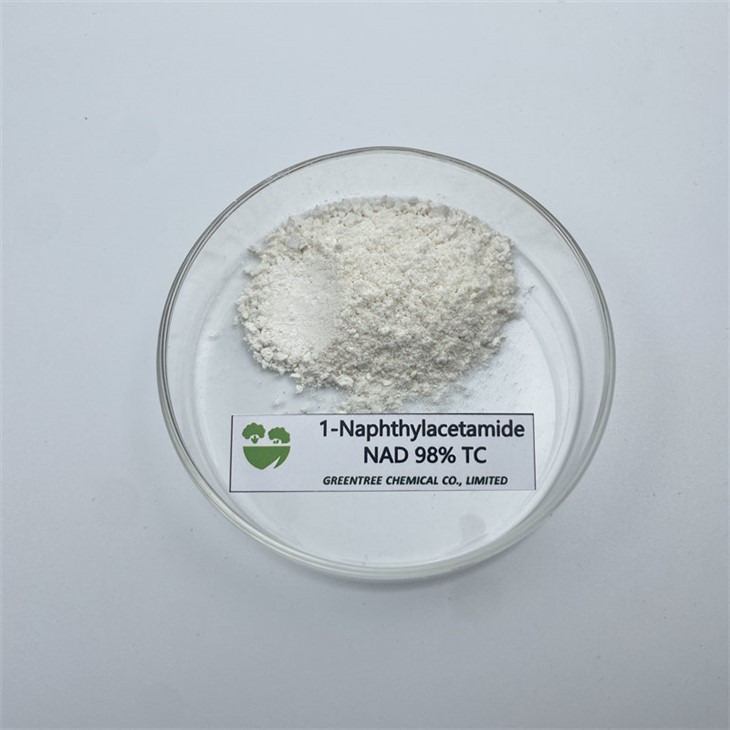
We also offer CAS NO. 86 - 86 - 2 C12H11NO Rooting Hormone 1 - Naphthylacetamide 1 - NAD 98%TC for Sale. This rooting hormone is very useful for plant propagation. When propagating cuttings, applying this auxin can stimulate root formation, increasing the success rate of propagating valuable plant varieties.
In conclusion, the genetic factors related to auxin synthesis and signaling are really fascinating. They control almost every aspect of plant growth and development, from embryo formation to organ differentiation and tropic responses. As an auxin supplier, we rely on this knowledge to provide the best products to our customers. Whether you're a professional farmer, a horticulturist, or a plant researcher, our auxin products can help you achieve your goals.
If you're interested in purchasing our auxin products or have any questions about how they can work for you, feel free to reach out. We're always happy to have a chat and discuss your specific needs.
References
- Zhao, Y. (2010). Auxin biosynthesis and its role in plant development. Annual Review of Plant Biology, 61, 49 - 64.
- Dharmasiri, N., Dharmasiri, S., & Estelle, M. (2005). The F - box protein TIR1 is an auxin receptor. Nature, 435(7041), 441 - 445.
- Guilfoyle, T. J., & Hagen, G. (2007). Auxin response factors. Current Opinion in Plant Biology, 10(5), 453 - 460.