As an insecticides supplier, I've seen firsthand the high demand for products that help keep pests at bay in urban areas. Insecticides play a crucial role in controlling insects that can spread diseases, damage property, and cause general discomfort. However, it's important to recognize that using insecticides in urban settings also comes with a number of risks. In this blog, I'll explore these risks in detail to provide a comprehensive view for consumers, urban planners, and decision - makers.

Environmental Risks
One of the most significant risks associated with insecticide use in urban areas is its impact on the environment. Insecticides are designed to kill pests, but they can also have unintended consequences on non - target organisms.
Impact on Beneficial Insects
Bees, butterflies, and other pollinators are essential for the ecosystem and for urban green spaces. Many insecticides are broad - spectrum, meaning they can kill a wide range of insects, not just the pests. For example, neonicotinoid insecticides, such as C9H10ClN5O2 Imidacloprid 200 G/L SL Pest Control Insecticide, have been linked to the decline of bee populations. These chemicals can affect bees' navigation, foraging ability, and immune systems, making them more vulnerable to diseases and parasites. A study by the European Food Safety Authority found that neonicotinoids pose a high risk to bees when used in outdoor crops, and the same risks can extend to urban gardens and parks.
Water Contamination
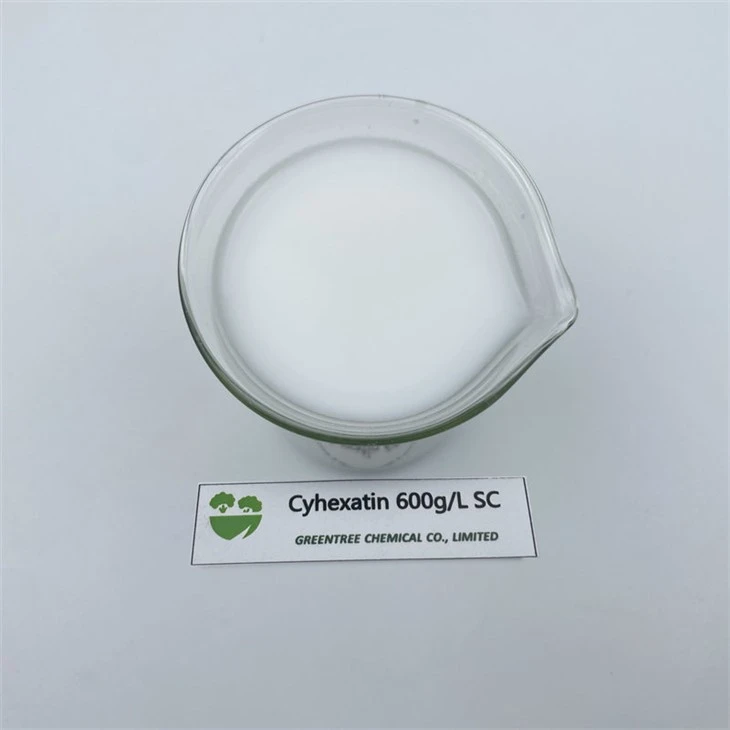
Urban areas have complex water systems, including stormwater drains, sewers, and groundwater. When insecticides are applied, they can be washed off into these water bodies through rain or irrigation. For instance, organotin compounds like C18H34OSn Cyhexatin 60% SC Agrochemicals Pesticides Insecticides Products can contaminate water sources. Once in the water, these chemicals can harm aquatic life, including fish, amphibians, and invertebrates. They can also bioaccumulate in the food chain, reaching humans who consume contaminated fish or water.
Soil Degradation
Insecticides can have a negative impact on soil health. They can kill beneficial soil organisms such as earthworms, which play a vital role in soil structure and fertility. By breaking down organic matter and aerating the soil, earthworms help plants grow. The use of certain insecticides can disrupt this delicate balance, leading to soil compaction and reduced nutrient availability. Over time, this can make urban green spaces less productive and more prone to erosion.
Health Risks to Humans
In addition to environmental risks, using insecticides in urban areas also poses health risks to humans, especially those living or working in close proximity to the treated areas.
Acute Exposure
Acute exposure to insecticides can occur through inhalation, skin contact, or ingestion. Symptoms of acute exposure may include nausea, vomiting, dizziness, and in severe cases, respiratory problems and even death. For example, pyrethroid insecticides, which are commonly used in urban pest control, can cause skin and eye irritation, as well as nervous system effects if a large amount is ingested or inhaled.
Chronic Exposure
Chronic exposure to low levels of insecticides over time can also have serious health implications. Some insecticides are suspected carcinogens, meaning they may increase the risk of cancer. For instance, certain organophosphate insecticides have been linked to an increased risk of leukemia and non - Hodgkin lymphoma. In addition, long - term exposure to insecticides has been associated with neurological disorders, such as Parkinson's disease, especially in individuals with a genetic predisposition.
Vulnerable Populations
Children, the elderly, and people with weakened immune systems are particularly vulnerable to the health effects of insecticides. Children are more likely to come into contact with insecticides through hand - to - mouth activity, and their developing bodies are more sensitive to the toxic effects of chemicals. The elderly and those with pre - existing health conditions may have a reduced ability to metabolize and eliminate insecticides from their bodies, increasing the risk of adverse health effects.
Social and Community Risks
The use of insecticides in urban areas can also have social and community - related risks.
Aesthetic and Recreational Impact
The application of insecticides can sometimes lead to an unpleasant odor or visible residue in public spaces, such as parks, playgrounds, and sidewalks. This can reduce the aesthetic appeal of these areas and discourage people from using them for recreational purposes. For example, the smell of some insecticide sprays can be overpowering and unpleasant, making it difficult for people to enjoy outdoor activities.
Community Concerns and Conflicts
There may be concerns within the community about the safety of insecticide use. Some residents may oppose the spraying of insecticides in their neighborhoods due to health and environmental concerns. This can lead to conflicts between different stakeholders, such as local authorities, pest control companies, and residents. In some cases, it may also lead to legal disputes if the use of insecticides is perceived to be causing harm.
Mitigating the Risks
Despite the risks associated with insecticide use in urban areas, there are ways to mitigate these risks.
Integrated Pest Management (IPM)
IPM is a holistic approach to pest control that combines biological, cultural, physical, and chemical methods. Instead of relying solely on insecticides, IPM focuses on preventing pest problems through measures such as proper sanitation, habitat modification, and the use of natural predators. When chemical control is necessary, IPM advocates for the use of the least toxic insecticides and the careful application of these chemicals to minimize their impact on the environment and human health.
Education and Training
Educating pest control professionals, urban planners, and the general public about the risks and proper use of insecticides is crucial. Pest control professionals should receive training on the safe handling and application of insecticides, as well as the principles of IPM. Urban planners can incorporate pest - resistant landscaping and design features into urban development projects to reduce the need for insecticide use. The public should also be informed about the potential risks of insecticides and how they can protect themselves and their environment.
Monitoring and Regulation
Regular monitoring of insecticide use and its impacts is essential. This can help identify any emerging problems and ensure that insecticides are being used in accordance with regulations. Governments and regulatory agencies should enforce strict regulations on the sale, use, and disposal of insecticides to protect the environment and public health.
Conclusion
As an insecticides supplier, I understand the importance of providing effective pest control solutions. However, I also recognize the need to balance this with the potential risks associated with insecticide use in urban areas. By being aware of the environmental, health, and social risks, and taking steps to mitigate them through integrated pest management, education, and regulation, we can ensure that insecticides are used in a responsible and sustainable manner.
If you are interested in our high - quality insecticide products such as C18H34OSn Cyhexatin 60% SC Agrochemicals Pesticides Insecticides Products, C9H10ClN5O2 Imidacloprid 200 G/L SL Pest Control Insecticide, and Insecticide Dinotefuran 20% SG Insect Killer Pesticide, and would like to discuss your specific pest control needs, please feel free to reach out for a detailed procurement discussion.
References
- European Food Safety Authority. (Year). Scientific Opinion on the risk assessment of the active substance imidacloprid for bees.
- World Health Organization. (Year). Pesticide Residues in Food: 20XX Evaluations.
- Environmental Protection Agency. (Year). Urban Pest Management Strategies.