Government policies play multifaceted and crucial roles in overgrowth control, especially in the context of plant growth regulation. As a supplier of Control Overgrowth products, I have witnessed firsthand how these policies can shape the market, ensure safety, and promote sustainable practices.
Market Regulation and Standardization
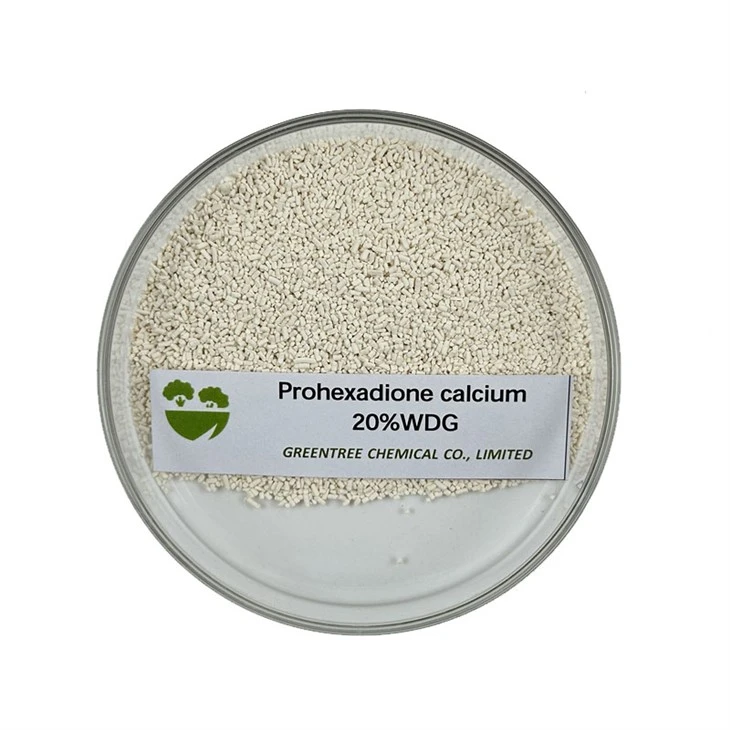
One of the primary roles of government policies in overgrowth control is to regulate the market and set standards for products. In the plant growth regulator industry, there are numerous products available, each with its own set of characteristics and potential impacts. For example, 2(C10H11O5)Ca Slow Ripening Prohexadione Calcium 20%Wdg is a product designed to slow down the ripening process and control overgrowth. However, without proper regulation, there could be a flood of low - quality or even harmful products in the market.
Governments establish registration procedures for plant growth regulators. Manufacturers must submit detailed information about the product's composition, efficacy, safety, and environmental impact. This ensures that only products that meet certain quality and safety standards are allowed to be sold. For instance, the registration process may require extensive testing on different plant species to determine the appropriate dosage and potential side - effects. By doing so, government policies protect consumers from using ineffective or dangerous products and also create a level playing field for legitimate suppliers like us.

Environmental Protection
Another important aspect of government policies in overgrowth control is environmental protection. Many plant growth regulators can have an impact on the environment, including soil, water, and non - target organisms. For example, some agrochemicals used for overgrowth control may leach into groundwater or runoff into nearby water bodies, causing pollution.
Policies are in place to limit the use of certain chemicals and encourage the development and use of more environmentally friendly alternatives. For example, the government may set maximum residue limits (MRLs) for plant growth regulators in agricultural products. This not only protects the environment but also safeguards human health. As a supplier, we are constantly looking for ways to develop and offer products that are in line with these environmental policies. Our product Uniconazole 95% Tc Technical Increase Field Agrochemical Plant Hormone is formulated to have a relatively low environmental impact while still being effective in controlling overgrowth.
Research and Development Support
Government policies can also play a role in promoting research and development (R&D) in the field of overgrowth control. By providing funding, tax incentives, or other forms of support, governments can encourage companies and research institutions to invest in the development of new and improved plant growth regulators.
For example, research may focus on developing products that are more targeted, have fewer side - effects, or are more effective in different environmental conditions. This can lead to the creation of innovative products like Daminozide B9 99% Tc The Control Overgrowth Series, which may have unique properties compared to existing products. As a supplier, we benefit from such R&D support as it allows us to offer better products to our customers and stay competitive in the market.
International Trade and Harmonization
In today's globalized world, government policies also play a role in international trade related to overgrowth control products. Different countries may have different regulations and standards for plant growth regulators. This can create barriers to trade if not properly addressed.
Governments can work together to harmonize regulations and standards. For example, through international agreements and cooperation, countries can align their registration requirements, MRLs, and safety assessments. This makes it easier for suppliers like us to export our products to different countries and for farmers around the world to access high - quality overgrowth control solutions.
Ensuring Food Security
Overgrowth control is closely related to food security. Excessive plant growth can lead to reduced yields, poor quality of agricultural products, and increased vulnerability to pests and diseases. Government policies in overgrowth control can help ensure a stable and sufficient food supply.
By promoting the use of effective plant growth regulators, governments can help farmers optimize their crop production. For example, by controlling the height and growth rate of plants, farmers can improve the efficiency of nutrient uptake and light interception, leading to higher yields. Policies may also encourage the adoption of integrated pest management (IPM) strategies that include the use of overgrowth control products as part of a holistic approach to crop protection.
Impact on Our Business
As a Control Overgrowth supplier, government policies have a significant impact on our business operations. On the one hand, strict regulations ensure that our products are of high quality and safe for use, which enhances our reputation in the market. For example, our compliance with registration requirements gives our customers confidence in the products we offer.
On the other hand, these policies also present challenges. The registration process can be time - consuming and expensive, which requires us to invest significant resources in research and documentation. However, we understand that these policies are necessary for the long - term health of the industry and the environment.
Conclusion
In conclusion, government policies play a vital role in overgrowth control. They regulate the market, protect the environment, support research and development, facilitate international trade, and ensure food security. As a Control Overgrowth supplier, we are committed to complying with these policies and working with governments and other stakeholders to promote sustainable overgrowth control practices.
If you are interested in our products or would like to discuss your overgrowth control needs in more detail, please feel free to reach out to us for further procurement and negotiation opportunities.
References
- Some government reports on agricultural regulations and environmental protection.
- Scientific research papers on the efficacy and safety of plant growth regulators.
- Industry reports on the market trends and impacts of government policies in overgrowth control.