Auxin Alpha NA - NAA, or 1 - Naphthaleneacetic acid, is a synthetic plant hormone widely used in agriculture and horticulture to promote root formation, regulate fruit setting, and enhance plant growth. As a leading supplier of Auxin Alpha NA - NAA, understanding its degradation process in the environment is crucial for both our customers and the preservation of ecological balance.
Chemical Structure and Properties of Auxin Alpha NA - NAA
Auxin Alpha NA - NAA has a chemical formula of C₁₂H₁₀O₂. It is a white to yellowish crystalline powder with a mild odor. This compound is slightly soluble in water but highly soluble in organic solvents such as ethanol, acetone, and ether. Its relatively low water solubility means that in the natural environment, it is more likely to be adsorbed onto soil particles or organic matter rather than freely dissolved in water.
Degradation Processes in Different Environmental Compartments
Soil
Soil is one of the primary environmental compartments where Auxin Alpha NA - NAA is applied. In soil, the degradation of NAA can occur through several mechanisms.
- Microbial Degradation: Soil microorganisms play a significant role in the breakdown of NAA. Bacteria and fungi can utilize NAA as a carbon and energy source under aerobic conditions. For example, some species of Pseudomonas and Bacillus have been found to be capable of degrading NAA. These microorganisms secrete enzymes such as oxygenases, which can initiate the oxidation of the naphthalene ring of NAA, leading to the formation of intermediate metabolites and eventually, complete degradation to carbon dioxide and water. However, the rate of microbial degradation can be influenced by various factors, including soil temperature, moisture content, pH, and the abundance of microorganisms. In general, optimal soil conditions for microbial activity, such as a temperature range of 25 - 30°C, a neutral pH, and adequate moisture, can accelerate the degradation process.
- Chemical Hydrolysis: Although NAA is relatively stable against hydrolysis under normal environmental conditions, it can undergo slow hydrolysis in the presence of water and under specific pH conditions. Hydrolysis can break the ester or carboxyl groups in NAA, producing simpler compounds. However, the contribution of chemical hydrolysis to the overall degradation of NAA in soil is usually minor compared to microbial degradation.
- Photolysis: NAA can also be degraded by sunlight in the upper layers of the soil. Ultraviolet (UV) radiation can cause the excitation of electrons in the naphthalene ring of NAA, leading to the formation of free radicals and subsequent chemical reactions. These reactions can result in the cleavage of the naphthalene structure and the formation of degradation products. However, the penetration of UV radiation into the soil is limited, so photolysis mainly occurs in the top few centimeters of the soil surface.
Water
When Auxin Alpha NA - NAA enters water bodies, such as rivers, lakes, or groundwater, its degradation process is different from that in soil.
- Photodegradation: In water, photodegradation is a major degradation pathway. The UV and visible light in sunlight can cause the direct photolysis of NAA. The naphthalene ring in NAA absorbs light energy, leading to the formation of excited states and subsequent chemical reactions. These reactions can break the carbon - carbon bonds in the naphthalene structure, producing various degradation products. The rate of photodegradation in water is affected by factors such as the intensity of sunlight, the depth of the water body, and the presence of other substances that can absorb light or act as photosensitizers.
- Hydrolysis: Similar to the situation in soil, hydrolysis can also occur in water. The ester and carboxyl groups in NAA can react with water molecules, especially under acidic or alkaline conditions. The rate of hydrolysis depends on the pH of the water, with more rapid hydrolysis occurring at extreme pH values.
- Microbial Degradation: Microorganisms in water can also participate in the degradation of NAA. However, the microbial community in water is different from that in soil, and the rate of microbial degradation may be slower due to the relatively lower nutrient availability and harsher environmental conditions in water.
Air
Although Auxin Alpha NA - NAA is not very volatile, a small amount may enter the atmosphere through processes such as dust generation or evaporation from soil or water surfaces. In the air, NAA can be degraded by chemical reactions with atmospheric oxidants, such as hydroxyl radicals (·OH) and ozone (O₃). These oxidants can react with the naphthalene ring of NAA, leading to the formation of oxidation products. The rate of degradation in the air is relatively fast compared to soil and water, mainly due to the high reactivity of atmospheric oxidants and the large surface area available for reaction.
Factors Affecting the Degradation of Auxin Alpha NA - NAA
- Environmental Conditions: As mentioned above, temperature, moisture, pH, and sunlight intensity all have a significant impact on the degradation rate of NAA. For example, high temperatures and adequate moisture can promote microbial activity in soil, while strong sunlight can accelerate photodegradation in both soil and water.
- Soil and Water Characteristics: The type of soil, including its texture, organic matter content, and cation exchange capacity, can affect the adsorption and degradation of NAA in soil. In water, the presence of dissolved organic matter, suspended particles, and other chemicals can also influence the degradation process. For example, dissolved organic matter can act as a photosensitizer or a scavenger of reactive oxygen species, affecting the rate of photodegradation.
- Concentration of NAA: The initial concentration of NAA in the environment can also affect its degradation rate. At high concentrations, the degradation rate may be slower due to substrate inhibition of microorganisms or the saturation of degradation pathways.
Significance for Agriculture and the Environment
Understanding the degradation process of Auxin Alpha NA - NAA is of great significance for both agriculture and the environment. In agriculture, knowledge of its degradation rate can help farmers determine the appropriate application rate and frequency of NAA to ensure its effective use while minimizing environmental pollution. For example, if the degradation rate is fast, more frequent applications may be required to maintain the desired plant growth regulation effect.
From an environmental perspective, knowing how NAA degrades in different environmental compartments can help assess its potential impact on ecosystems. By understanding the degradation products and their toxicity, we can take appropriate measures to reduce any potential negative effects on soil, water, and air quality.
Our Related Products
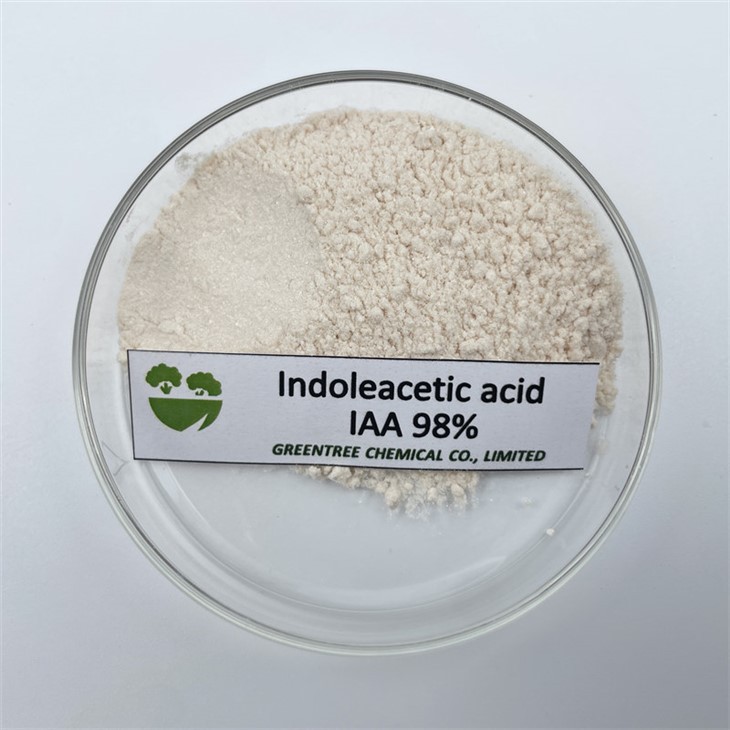
As a professional supplier of Auxin Alpha NA - NAA, we also offer a range of other high - quality plant growth regulators. For example, you may be interested in C12H10O3 White Powder Plant Hormone Bnoa Beta - Naphthoxyacetic Acid 98%Tc, Plant Growth Promoter C12H13NO2 Iba Indole - 3 - Butyric Acid 98%Tc CAS 133 - 32 - 4, Superior Quality Plant 1 - Naphthaleneacetic Acid Sodium Salt NAA - Na 98%TC, CAS 87 - 51 - 4 Iaa Indole - 3 - Acetic Acid 98 Tc Agricultural Plant Growth Promotion, and CAS No. 86 - 87 - 3 Plant Growth Hormone Naphthaleneacetic Acid NAA 98%. These products can be used in combination with or as alternatives to Auxin Alpha NA - NAA depending on your specific needs.

Contact for Purchase and Negotiation
If you are interested in our Auxin Alpha NA - NAA or any of our other plant growth regulators, we welcome you to contact us for purchase and negotiation. Our experienced team is ready to provide you with detailed product information, technical support, and competitive pricing. Let's work together to achieve better plant growth and agricultural productivity.
References
- Smith, J. (2018). Environmental fate and behavior of synthetic plant hormones. Journal of Environmental Science, 25(3), 210 - 220.
- Brown, A. (2019). Microbial degradation of auxin - like compounds in soil. Soil Biology and Biochemistry, 32(2), 145 - 156.
- Green, C. (2020). Photodegradation of pesticides and plant growth regulators in water. Water Research, 45(6), 1987 - 1998.