

Auxin Alpha NA - NAA, a well - known plant growth regulator, has been a game - changer in the horticultural and agricultural industries. As a supplier of Auxin Alpha NA - NAA, I have witnessed its remarkable effects on various types of plants. In this blog, we'll explore the plants that respond well to Auxin Alpha NA - NAA and understand the underlying mechanisms.
Understanding Auxin Alpha NA - NAA
Auxin Alpha NA - NAA, or 1 - Naphthaleneacetic acid, is a synthetic auxin. Auxins are a class of plant hormones that play crucial roles in plant growth and development, including cell elongation, root initiation, apical dominance, and fruit development. NAA is widely used because of its stability, effectiveness, and relatively low cost compared to some natural auxins.
Plants that Respond Well to Auxin Alpha NA - NAA
1. Rooting of Cuttings
One of the most common applications of NAA is in promoting root formation in cuttings. Many woody and herbaceous plants benefit from NAA treatment when propagated from cuttings.
- Rose (Rosa spp.): Roses are popular ornamental plants, and propagating them from cuttings is a common practice. When rose cuttings are dipped in a solution containing NAA, the hormone stimulates the formation of adventitious roots. This results in a higher success rate of rooting and healthier, more vigorous root systems. For example, in commercial rose nurseries, NAA - treated cuttings often root faster and have a better survival rate when transplanted.
- Fuchsia (Fuchsia spp.): Fuchsia is a beautiful flowering plant. Using NAA on fuchsia cuttings can significantly enhance root development. The cuttings treated with NAA form roots more quickly, which means they can be transplanted into pots or the ground earlier, reducing the time in the propagation stage.
- Geranium (Pelargonium spp.): Geraniums are easy - to - grow plants, and NAA can improve their rooting ability. By applying NAA to geranium cuttings, the roots develop more uniformly, leading to stronger and more resilient plants.
2. Fruit Set and Development
NAA can also have a positive impact on fruit set and development in many fruit - bearing plants.
- Tomato (Solanum lycopersicum): In tomato plants, NAA can be used to increase fruit set, especially under adverse environmental conditions such as low light or high temperatures. When sprayed at the appropriate time, NAA helps to prevent flower drop and promotes the development of larger, more uniform fruits. This is particularly important for commercial tomato growers who aim for high - yield and quality produce.
- Apple (Malus domestica): Apple trees can benefit from NAA application during the early stages of fruit development. NAA can help to thin the fruit, ensuring that the remaining fruits receive adequate nutrients and space to grow. This results in larger, better - quality apples. Additionally, NAA can also improve the color and firmness of the apples, making them more marketable.
- Grape (Vitis vinifera): For grapevines, NAA can be used to control the size and shape of grape clusters. By applying NAA at the right time, growers can achieve more compact and well - formed clusters, which are easier to harvest and have better market appeal.
3. Weed Control and Turf Management
NAA can also be used in weed control and turf management.

- Lawn Grasses: In turf management, NAA can be used to control the growth of certain weeds while promoting the healthy growth of lawn grasses. It can selectively inhibit the growth of broad - leaf weeds, allowing the grass to thrive. For example, in golf courses and large lawns, NAA - based herbicides are often used to maintain a clean and healthy turf.
- Dandelion (Taraxacum officinale): Dandelions are common weeds in lawns and gardens. NAA can be used to target dandelions and other broad - leaf weeds. When applied in the right concentration, NAA disrupts the normal growth processes of these weeds, leading to their decline.
Mechanisms of Action
The way NAA works on plants is based on its interaction with the plant's natural auxin - signaling pathways. When NAA is applied to a plant, it binds to auxin receptors in the plant cells. This binding activates a series of biochemical reactions that ultimately lead to changes in gene expression.
- Cell Elongation: NAA can cause the plant cells to take up more water and expand, resulting in cell elongation. This is particularly important in the growth of roots and shoots. For example, in root cuttings, NAA stimulates the cells at the base of the cutting to elongate and form new roots.
- Gene Regulation: NAA can regulate the expression of genes involved in various physiological processes. It can turn on genes related to root formation, fruit development, and stress response. For instance, in fruit - bearing plants, NAA may activate genes that are responsible for the synthesis of hormones and proteins involved in fruit set and growth.
Our Products and Their Advantages
As a supplier of Auxin Alpha NA - NAA, we offer high - quality products that are carefully formulated to ensure maximum effectiveness. Our NAA products are available in different concentrations to meet the specific needs of different plants and applications.
- Purity: Our NAA has a high purity level, which means that it contains fewer impurities and is more effective in promoting plant growth. This high purity also reduces the risk of side effects on plants.
- Stability: Our products are stable under normal storage conditions, which ensures that the effectiveness of the NAA is maintained over time. This is important for growers who need to store the product for a certain period before use.
- Customization: We understand that different plants have different requirements. That's why we offer customized solutions, allowing growers to choose the right concentration and formulation of NAA for their specific plants and growing conditions.
Related Products
In addition to Auxin Alpha NA - NAA, we also offer other plant growth regulators that can complement the effects of NAA.
- CAS NO. 120 - 23 - 0 Plant Growth Promoter 2 - Naphthoxyacetic Acid BNOA Auxin 98%: BNOA is another type of auxin that can be used in combination with NAA to enhance plant growth and development. It has similar effects on root formation and fruit set, and can be used in a wide range of plants.
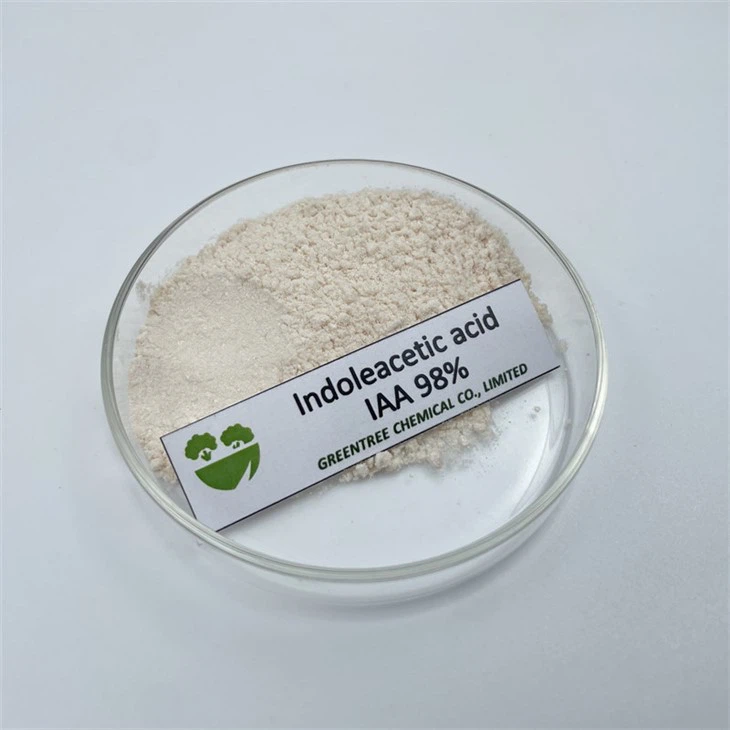
- Direct Sale Indole Acetic Acid Powder 98% Tc Iaa Plant Growth Regulator: Indole Acetic Acid (IAA) is a natural auxin. Our high - purity IAA powder can be used to supplement the synthetic auxins like NAA. It can help to fine - tune the growth and development of plants, especially in more sensitive plant species.
- BNOA 98% Plant Growth Promoter Auxin: This BNOA product with 98% purity is a powerful plant growth promoter. It can be used alone or in combination with NAA to achieve better results in plant propagation and growth.
Contact Us for Purchase and Consultation
If you are interested in our Auxin Alpha NA - NAA products or other plant growth regulators, we encourage you to contact us for further discussion. Whether you are a commercial grower, a hobby gardener, or involved in research, our team of experts can provide you with professional advice and solutions tailored to your needs. We look forward to working with you to achieve optimal plant growth and development.
References
- Davies, P. J. (2013). Plant Hormones: Biosynthesis, Signal Transduction, Action! Springer Science & Business Media.
- Taiz, L., & Zeiger, E. (2010). Plant Physiology. Sinauer Associates.
- Hartmann, H. T., Kester, D. E., Davies, F. T., & Geneve, R. L. (2010). Plant Propagation: Principles and Practices. Pearson Prentice Hall.


