1. Symptoms:
Mango anthracnose mainly affects young shoots, young leaves, flower ears and young fruits, among which flower ears and young fruits are particularly susceptible to infection.
(1) Many round brown spots appear on young leaves, surrounded by yellow halos, and gradually expand into round, polygonal or irregular brown spots, and then rupture and perforate.
(2) Wounds caused by damage to leaves and young fruits by gall mosquitoes and leafhoppers are also susceptible to this disease. Severely susceptible young leaves are easy to bend, leaf tips and leaf margins are often scorched, and diseased leaves are easy to fall off.
(3) Black spots are formed after the branches are infected, and then gradually dry up. Some small spots appear after the flower ear is infected, and finally turn black and rot, causing burnt flowers and fruit drop.
(4) Fruits are susceptible to disease during the entire growth period. Young fruits are deformed, turn black and fall off after being infected. After larger fruits are damaged, black-brown round spots are formed on the peel, the center is sunken, and the diseased part is stiff and deteriorated. When the weather is humid, the diseased A pink sticky mass grows.

2. Reason:
In addition to the damage during the growth period of mango, it also continues to damage the fruit during the storage and transportation period, resulting in a large number of rotten fruits. The optimum temperature for sporulation and growth and development of the pathogenic bacteria of this disease is 22-30 °C; the current weather and climate in Youjiang District is the most suitable for the growth of pathogenic bacteria, and mangoes are also at the stage of blooming to young fruit, which is also susceptible to infection. .
3. Prevention and control measures:
1. Combined trimming:
Cut out some diseased leaves to reduce the source of disease.
2. Focus on prevention
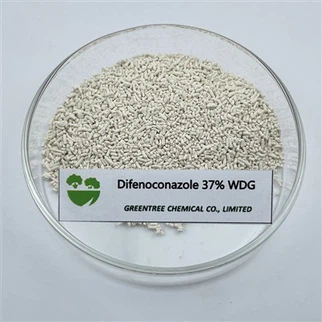
To protect young shoots, flower ears and young fruits to reduce the number of pathogens in the field, spray protective agents in time on sunny days, in the early stage of flowering, fruiting and shootout, and in the early stage of disease, you can choose Amicida, pyraclostrobin, Baitai, Kai Moisturizing, dinconazole wettable powder, the medicine is used alternately.
Spray once before flowering, and start from the early stage of floret opening, spray once every 7 to 10 days, and spray 1 to 2 times in a row. During the flowering period, spray once a week, using chlorothalonil 600 times, 50% carbendazim 500 times, 70% thiophanate-methyl 800 times, 40% methamphetamine 400 times, 25% Shibaoke EC 1000 times liquid (flower bud stage), 20% chlorolactide 600 times liquid (rainy day). At the same time, 0.2%-0.3% potassium dihydrogen phosphate, urea and borax flower-preserving and fruit-preserving agent are sprayed on the foliage every 7-10 days for 2-3 consecutive times, which can effectively enhance the disease resistance of plants.
3. During the result period, spray once every half a month, and the following pesticides can be used in rotation: 70% thiophanate-methyl 700 times, 1:1:100 Bordeaux mixture, 75% chlorothalonil 600 times, 25% Shibaoke EC 800 times liquid, 500 times liquid of 20% chlorinated copper lacquer oil. After harvesting, soak the fruit in 70% thiophanate-methyl 1000 times solution (water temperature is 52-54°C) for 15 minutes, pick it up and place it in a ventilated place to dry, or leave it for two days to let the fruit sweat, then use a carton or Bamboo basket packaging, or moved to a low temperature controlled atmosphere storage.