We often hear about humic acid, alginic acid, microbial fertilizers, amino acids, chitosan, etc., but what are their uses? how to use? How's the effect? Below, we will solve these mysteries one by one.
1. Humic acid
Humic acid has many functions in plant protection. It solves the new value preservation problems faced by the rapidly developing large-area orchards and facility agriculture. It has its unique advantages. Humic acid is manifested in the following five aspects:
① Improve plants' defense against natural disasters
After using humic acid, the root system is particularly developed, the biochemical effect of chlorophyll is enhanced, metabolism is strong, and disease resistance is strong. The performance is very obvious in terms of recovery from droughts, floods and freezes. When abrasions after a disaster are infected by bacteria, humic acid can be sprayed to repair the abrasions of the plants quickly and avoid fruit loss due to bacterial infection. In terms of planting, soaking the roots and seedlings with 300 times of sea spirit humic acid for 30 minutes can increase the survival rate of the seedlings by more than 30%.
② Fertilize to prevent diseases
Some scientific researchers have done a lot of research on the application of biological humic acid for fertilization and disease prevention. They believe that humic acid not only has high physiological activity, but also contains special live bacteria. Humic acid has a strong hygroscopic function, adjusts the bacterial community structure and diversity of soil microorganisms, inhibits indigenous pathogenic bacteria in the soil, and enhances crop variability. Early application of biological humic acid is beneficial to the timely ecological adjustment of soil microorganisms, changes soil compaction, and makes fertilizer and control effects more obvious.
③ Treatment of diseased and weak fruit tree plants with humic acid from mineral sources
Due to the rapid application of chemical fertilizers, pesticides and hormones, as well as the improper use of chemical fertilizers, resulting in obesity, fruit trees appear prematurely and even orchards wither, which is called "chemical pesticide syndrome". Using humic acid concentrated liquid fertilizer, combined with the application of organic fertilizer, loose soil and root removal, appropriate pruning and other agricultural measures can completely rejuvenate the plant.
④ Spray the foliage of crops
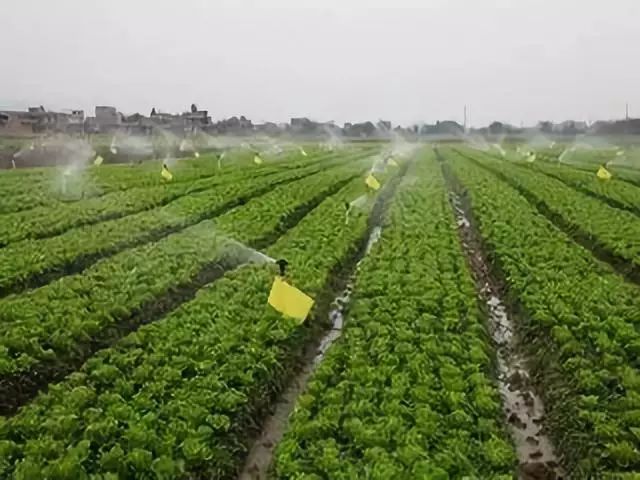
Foliar spraying of humic acid trace element liquid fertilizer has obvious effects on crop "supplementation", disease prevention and increase in yield. This is the advantage of biological humic acid. Nowadays, many fruit trees use fruit bagging. If humic acid liquid fertilizer is sprayed before bagging, The fruit will grow plump, bright in appearance, and taste sweeter. It is a genuine green food.
⑤ Overcome the obstacles of greenhouse serialization
The obstacle to continuous cropping in greenhouses is due to the abnormal changes in the microbial flora and fertilizer factors in the soil environment in the greenhouse after many seasons of cultivation, causing crops to fail to grow normally and continuous cropping to be hindered. Facts have proved that the use of humic acid trace element liquid fertilizer can restore the biodiversity of cultivated soil in greenhouses and form a good ecological environment. If used together with EM bacteria, the effect will be better. They can supplement the trace elements needed by crops and are easily absorbed. They can well overcome the obstacles of continuous cropping in greenhouses and achieve continuous bumper harvests.
2. Seaweed fertilizer
Seaweed fertilizer uses seaweed as raw material. Through technical means, the seaweed cells are broken and the contents are released, and then concentrated to form a seaweed essence concentrate, which greatly retains the natural active ingredients of seaweed. It is a new type of fertilizer with high efficiency and low cost. The characteristics of seaweed fertilizer are as follows:
①Rich in nutrition
Active seaweed fertilizer contains a large amount of non-nitrogen-containing organic matter, including more than 40 minerals such as potassium, calcium, magnesium, iron, zinc, iodine and rich vitamins that are unmatched by terrestrial plants. In particular, seaweed polysaccharides, alginic acid, highly unsaturated fatty acids and various natural plant growth regulators unique to seaweed can stimulate the production of non-specific active factors in plants and regulate the balance of endogenous hormones.
②Easily absorbed by plants
After special treatment, the active ingredients in seaweed fertilizer are in an active state that is easily absorbed by plants. They enter the plant body 2 to 3 hours after application and have a very fast absorption and conduction speed. The alginic acid in seaweed fertilizer can reduce the surface tension of water and form a thin film on the surface of plants, increasing the contact area. Water-soluble substances can easily penetrate the surface cells of stems and leaves, allowing plants to effectively absorb the nutrients in the seaweed extract.
③Can improve soil
Seaweed fertilizer is a natural biological system that works in harmony with the plant-soil ecosystem. It can increase organic matter in the soil directly or through plants and activate various microorganisms in the soil. These microorganisms can act as catalysts in the plant-microbe metabolite cycle, increasing the biological effectiveness of the soil.
④ Long-lasting fertilizer effect
Seaweed fertilizer can increase organic matter in the soil directly or through plants, and activate various beneficial microorganisms in the soil. These microorganisms can act as catalysts in the plant-microorganism metabolite cycle, increasing the biological effectiveness of the soil. Metabolites from plants and soil microorganisms provide more nutrients to plants. At the same time, the chelation system formed by seaweed polysaccharides and humic acid can slowly release nutrients and extend the fertilizer effect.
⑤Safe and non-toxic
The raw material of seaweed fertilizer comes from natural seaweed, has good affinity with terrestrial plants, is non-toxic and harmless to humans and animals, and has no pollution to the environment. It is a high-quality fertilizer for the production of harmless vegetables.
3. Compound microbial fertilizer
The promotion and application of compound microbial fertilizers on crops can not only improve the effective utilization rate of chemical fertilizers, but also increase the fertilizer utilization rate by 10% to 30%. Application tests show that when the compound microbial fertilizer produced by Bacillus sideosporus is used continuously for more than two years, the number of beneficial actinomycetes in the soil increases by 8.4 times, and the number of nitrogen-fixing bacteria in the soil increases by 39 times, thereby activating and loosening the soil and improving soil fertility. . The massive reproduction of beneficial microorganisms can activate the chemical fertilizers that have been deposited and fixed in the soil for many years and make them available for crops to absorb and utilize again.
At the same time, the increase in the number of Bacillus lateralis in the soil enables effective biological control of soil-borne fungal diseases and root-knot nematodes. The control rate can be as high as 70-80%, which is equivalent to the control effect of chemical pesticides. Thereby reducing the use of chemical pesticides, improving crop quality and yield and the ability to withstand repeated cropping. Functional characteristics of compound microbial fertilizer:
①Complete nutrition
It not only provides NPK and medium and trace elements required for crop growth, but also provides organic matter and beneficial microbial active bacteria for crops.
②The fertilizer efficiency has a slow-release effect and improves the utilization rate of fertilizers
During the production process, some inorganic nutrients are dissolved and adsorbed and complexed together by organic matter to form organic NPK, which is difficult to be lost and fixed when entering the soil. The utilization rate of chemical fertilizers can be increased by 10-30%, and the fertilizer effect can last for 3-4 months.
③Loose the soil, dissolve phosphorus and potassium, and fertilize the soil
After fertilizer enters the soil, microorganisms multiply with the assistance of organic matter, inorganic nutrients, moisture, and temperature, reducing the living space of harmful microbial groups, thereby increasing the number of beneficial microbial bacteria in the soil. Microbial bacteria produce a large amount of organic acids that can partially dissolve and release the phosphorus and potassium elements that have been deposited in the soil for many years for crops to absorb and utilize again. After long-term use, the soil will become more and more loose and fertile.
④ Disease prevention, insect prevention and resistance to repeated cropping
Microorganisms are in a dormant state in fertilizers. After entering the soil to germinate and reproduce, they secrete a large amount of chitinase, extracellular enzymes, antibiotics and other substances. It can effectively lyse the spore walls of harmful fungi and nematode egg walls and inhibit the growth of harmful bacteria, effectively control the occurrence of soil-borne diseases and pests, and prevent diseases and pests and resist repeated cropping.
⑤Grow roots and strengthen seedlings, reduce nitrite content, improve quality, increase production and income
After microbial bacteria multiply in the soil, they produce a large amount of plant hormones and organic acids, which stimulate the growth and development of root systems, enhance the photosynthetic intensity of crops, and make crops grow with deep roots and lush leaves. It can effectively increase the sugar content of crop fruits, reduce the content of nitrates and other harmful substances in crop products, improve quality, and increase crop yields by 10 to 30%.
⑥Accelerate the degradation of organic matter in soil
It not only provides more organic nutrients for crop growth and improves the stress resistance of crops; it can also reduce the living space of some pathogenic bacteria in the soil.
4. Amino Acid Foliar Fertilizer
For the purpose of leaf absorption, the nutrients required by crops are directly applied to the leaf surface of fertilizer, which is called amino acid foliar fertilizer. The rational application of amino acid-containing foliar fertilizers is mainly amino acids, combined with complex micro-fertilizers, containing plant nutritional growth regulators and essential trace elements for plants. Amino acid foliar fertilizer can be simply understood as foliar fertilizer containing amino acid active factors.
Compound amino acid foliar fertilizer is absorbed by crops through crop leaves, stems or roots, and has obvious effects on crop rooting, germination, seedling strengthening, flower promotion, fruit strengthening, and fruit preservation. It can also stimulate enzyme activity, improve photosynthetic efficiency, accelerate nutrient absorption and operation, increase chlorophyll content, increase dry matter accumulation and sugar content, improve crop quality, and enhance crop resistance to drought, disease, stress, and immunity.
①Amino acid fertilizers are non-toxic, pollution-free and do not pollute the environment
According to domestic field trials and demonstrations at multiple sites, amino acid foliar fertilizers can promote root growth, strengthen seedlings and plants, enhance the photosynthetic function of leaves, and enhance crop stress resistance. It has the ability to resist diseases and pests and has a significant yield-increasing effect on a variety of crops. At the same time, it also has the effect of improving product quality.
Amino acid foliar fertilizer is suitable for wheat, cotton, soybeans, peanuts, rape, sugar beet, tobacco and various vegetables, fruit trees, tea trees, flowers, etc. Amino acid foliar fertilizer is mainly used for external spraying. It can also be used for seed soaking, seed dressing, root dipping, root irrigation, etc.
②The functions and advantages of amino acid foliar fertilizer:
As the smallest molecules that constitute protein, amino acids are present in fertilizers and are easily absorbed by crops. They also have the function of improving disease resistance of fertilized objects and improving the quality of fertilized crops.
Supplement essential amino acids for plants, stimulate and regulate rapid plant growth, promote plant growth and robustness, and promote the absorption of nutrients. Enhance the metabolic function of plants, improve photosynthesis, promote the development of plant root systems, and accelerate plant growth and reproduction.
Experiments have shown that amino acid organic foliar fertilizer can indeed significantly increase crop yields, and can effectively increase the soluble sugar content of the product, reduce the NO3- content, and improve the absorption and utilization of nitrogen, phosphorus, and potassium.
5. Chitosan
Chitosan is a natural polymer linear polysaccharide obtained by deacetylating chitin, which is obtained from shrimp and crab shells by acid and alkali treatment. Chitosan and its derivatives are mainly used in textile printing and dyeing, papermaking, photography, heavy metal recycling and wastewater treatment, and later focused on biomedicine, food and other fields.
Chitosan and its derivatives can be used in agriculture as plant growth regulators, seed coating agents, foliar sprays, moisturizers, insecticides, fungicides, feed additives and soil conditioners. Chitosan and its derivatives have attracted widespread attention due to their role in increasing yields, improving quality, and inducing broad-spectrum disease resistance in plants in agriculture, and some gratifying research results have been achieved.
Research on the use of chitosan in agriculture has achieved remarkable results. For example, using it for wheat seed dressing can promote tillering, increase the number of effective spikes, and increase yield by 10.9% to 22.5% compared to the control group. If used in conjunction with other fungicides, the occurrence of blight can be inhibited, and its incidence rate is reduced by 30% to 50% compared with the control group;
After soybean seeds are coated with chitosan, their germination rate and germination potential are improved. After the seeds are sown, it can promote the growth of seedling roots, nodulation and underground parts, promote protein synthesis in seedling leaves, and increase photosynthetic rate, etc.;
Treating corn seeds with hydroxymethyl chitosan (NCMC) aqueous solution can promote seed germination and increase germination rate and germination potential. Treating corn ears with NCMC aqueous solution can increase the soluble protein of immature corn kernels and increase the storage protein content of mature seeds.
In addition, experimental studies have also been conducted on cotton, rice, potatoes, cabbage, cucumbers and other vegetables. The results show that chitosan and its derivatives have achieved significant results in promoting crop yield and improving quality.
Studies have shown that chitosan and its derivatives promote the increase of glutamate amine synthetase, thereby enhancing the operation of the nitrogen metabolism pathway, correspondingly increasing the synthesis of protein, and significantly increasing the storage protein in seeds. In addition, glutamate dehydrogenase exists in various tissues of plants, and the reaction it catalyzes is one of the most important ways for ammonia nitrogen to enter organic compounds to form amino acids. Tests have shown that chitosan and its derivatives can increase the activity of glutamate dehydrogenase. Therefore, chitosan and its derivatives also have certain regulatory functions on crop nitrogen metabolism.
It is worth noting that the best effects of treating crops with chitosan and its derivatives in different ways (seed soaking, coating, spraying, etc.) are not the same. The test results also show that chitosan and its derivatives have obvious concentration effects on crop yield and quality, that is, there is an optimal concentration range. In addition, chitosan or its derivatives prepared by general methods are different in terms of molecular uniformity and film-forming plasticity. Therefore, the test results will also have large differences. Therefore, for the preparation of chitosan and its derivatives, only through a more stringent production process can we obtain more ideal results.
Compared with other growth regulators, chitosan and its derivatives have obvious advantages such as natural, non-toxic, tasteless, good environmental compatibility, high activity, and easy degradation. Therefore, it has great development prospects in agricultural production, so it can become a current research hotspot.