In phosphorous acid fertilizers, the phosphorus in the phosphorous state has a +3 valence. The +3 valence P triggers molecular reactions in plant cells and exerts its antibacterial effect by activating the plant's own immune system and defense mechanism.
+3-valent P changes the fungal wall and inhibits its further proliferation by inhibiting spores formation, thereby controlling the disease and its further spread.Therefore, the potassium phosphite molecule has a dual mechanism of action.
After potassium phosphite is applied to crops, it can be absorbed by plant leaves and roots and transported to the plant, exerting its direct bactericidal function. At the same time, it activates the disease resistance defense system. When pathogenic bacteria invade the plant, it stimulates the plant to produce plant defensins and thus develops disease resistance.
When pathogenic bacteria invade, the pathogenic bacteria can be attacked by potassium phosphite, which partially controls the pathogenic bacteria. At this time, the pathogenic bacteria are also recognized by plant cells, and potassium phosphite activates the defense system to produce plant resistins and PR proteins to directly attack the pathogenic bacteria. It will also send out an alarm to call on other cells that have not yet been invaded to activate their defense systems, which will then cause multiple enzymes to add additional proteins to strengthen the cell wall. In this way, the pathogenic bacteria will be suppressed or killed by the plant's reaction.
The disease resistance effect of potassium phosphite is an acquired systemic disease resistance SAR, also known as induced systemic disease resistance ISR, which is a type of generalized biological control.
Product Usage
1. Potassium phosphite is an environmentally friendly and efficient fertilizer. It is a new type of liquid foliar fertilizer that can prevent and treat diseases.
2. Potassium phosphite has a very good inhibitory effect on fungal diseases such as Phytophthora, downy mildew, and powdery mildew, and can induce crops to develop sustained immunity against pathogenic fungi and viruses.
In fruit tree planting, the application of potassium phosphite has a very good control effect.
Germs invade cells
The important role of potassium phosphite in plant disease resistance is mainly reflected in the following aspects:
① When pathogenic bacteria invade, it can induce the cells to produce lignin, increase the thickness of the cell wall, make it hard and firm, and confine the pathogenic bacteria to the cell wall, single cells or local tissues, thus preventing its further invasion and expansion;
②Potassium phosphite can directly attack pathogens and induce crops to produce a substance toxic to viruses-protectin (PA), which inhibits and kills pathogens. Therefore, the synthesis and accumulation of defensins is an important disease-resistant defense response of plants;
③After the invading pathogens are controlled, potassium phosphite can induce the crop to send out disease resistance signals, which are transmitted to other cells that have not yet been attacked to activate the defense system, and then cause the entire plant to resist the same pathogen or other pathogens, making the system gain resistance. Disease nature.
Potassium phosphite induces cell wall lignification to limit pathogen expansion
Characteristics of potassium phosphite
1. Leaf spraying and flushing application can quickly absorb phosphorus and potassium fertilizers;
2. Not easily fixed in the soil, easy to be absorbed, and has high absorption and utilization rate;
3. Promote root growth, promote fruit color change, increase sugar content, and promote flower bud differentiation;
4. Not easily antagonistic to trace elements and can be mixed with most pesticides and fertilizers;
5. It has the effect of regulating growth and can control shoot growth and promote flowering in the early stages of crop growth;
6. Resistant to diseases, canker, downy mildew, powdery mildew, scab, Phytophthora, root rot, etc.
Suitable for crops
Melons (cucumber, melon, watermelon, etc.)
Prevent and control leggy growth, strengthen seedling growth, promote photosynthesis, and improve disease resistance
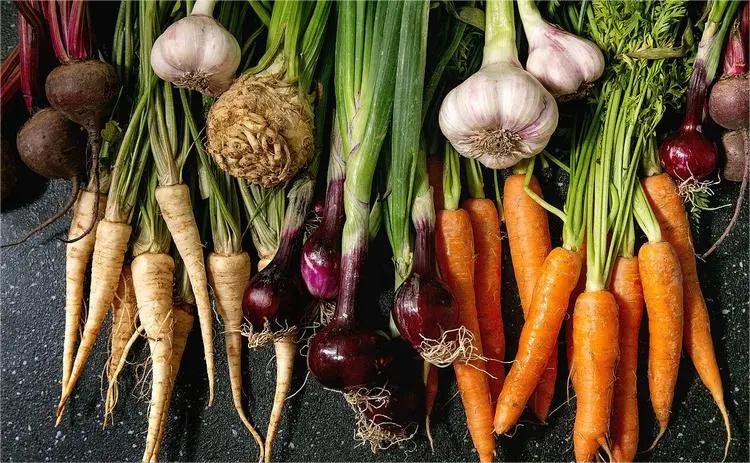
Root vegetables (garlic, onions, ginger, etc.)
Promote flower buds, promote fruit expansion, improve quality, and improve disease resistance to downy mildew and powdery mildew.
Potato
Expand fruit, promote root growth, and improve disease resistance to downy mildew and gray mold
Beans (red beans, peas, etc.)
Promote fruit expansion and improve resistance to late blight. Green leafy vegetables with thick leaves (spinach, lettuce, cabbage, bok choy, etc.) have thick and oily leaves, which improves quality and stress resistance of fruit trees (citrus).
Improve quality, improve stress resistance, nemesis of ulcer disease
Fruit trees (apples, pears, cherries, etc.)
Promote flower bud differentiation, promote fruiting, uniformity of flower buds, and promote coloring of grapes;
Increase sugar content to promote color change, promote flower bud differentiation, and reduce the occurrence of downy mildew, powdery mildew, etc.
Strawberry
Increase sugar content, promote color change, promote flower bud differentiation, reduce powdery mildew, root rot, and gray mold
Chili
Improve quality, improve disease resistance, reduce undigested nitrogen
Tomato
Promote coloration and improve disease resistance to late blight and gray mold
Flowers (chrysanthemums)
Strong stems and leaves, enriched flower buds