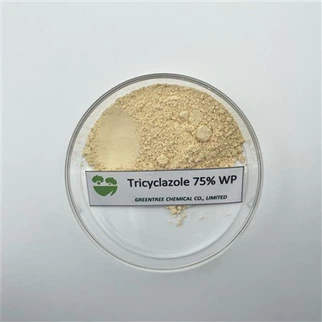
The egg stage is a critical link in the development cycle of pests. Pyriproxyfen can effectively penetrate the egg shell and directly hit the inside of the pest eggs. Pyriproxyfen belongs to the juvenile hormone chitin synthesis inhibitor. By inhibiting the synthesis of chitin in the pest body and blocking its normal molting process, the eggs of the pests cannot hatch into larvae and the pupae cannot emerge into adults, thereby achieving the purpose of killing pests.
Pyriproxyfen has a good killing effect on many insects such as Homoptera, Lepidoptera, Coleoptera, Neuroptera, etc., especially for whiteflies, psyllids, mosquitoes, flies and other pests. It is widely used in pest control of various crops such as fruits, vegetables, cotton and ornamental plants.

Main features
Pyriproxyfen has become an ideal choice for killing pest eggs with its excellent systemic transfer activity, high efficiency and low toxicity, long-lasting use effect and friendliness to crops and the ecological environment. It is widely used in pest control of various crops such as crops, vegetables, fruit trees, flowers and Chinese medicinal materials, and is easy and safe to use.
Pest control characteristics of pyriproxyfen
Highly active egg killing: Pyriproxyfen can effectively kill pest eggs at extremely low concentrations, and a concentration of one part per million can achieve the ideal effect. Only a small amount is needed for actual use.
Diversified mode of action: Pyriproxyfen can not only directly kill pest eggs, but also inhibit larval molting and pupal emergence, thereby achieving comprehensive pest control.
Broad spectrum of insect control: Pyriproxyfen can effectively kill the eggs of a variety of pests, including caterpillars, thrips, etc., truly realizing multiple uses of one drug, saving costs and labor.