Deltamethrin is a widely used synthetic pyrethroid insecticide with high efficiency, broad spectrum, and rapid knockdown of pests. It primarily works by interfering with the insect's neural transmission system, particularly inhibiting the ion permeability of nerve axon membranes. Due to its unique insecticidal mechanism, deltamethrin plays an important role in agricultural pest control.
However, despite its wide application in agriculture, deltamethrin is not suitable for all crops. The following are some crop types that cannot or should not be treated with deltamethrin:
Sensitive Crops
Some crops are highly sensitive to deltamethrin, and its use may cause phytotoxic reactions such as leaf curling, yellowing, and wilting. These crops include, but are not limited to:
1. Legumes: Such as soybeans, mung beans, and black beans. These crops are highly sensitive to deltamethrin, and its use may affect their normal growth and yield.
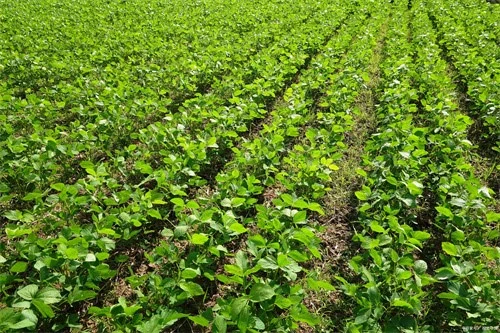
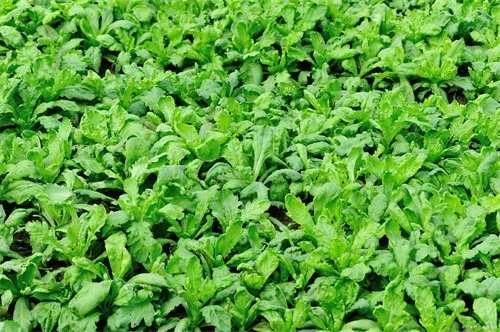
2. Vegetable Crops: Some vegetable crops, such as spinach, celery, and lettuce, have poor tolerance to deltamethrin. Improper use may lead to leaf spotting and wilting.
3. Tea Plants: Tea plants are highly sensitive to deltamethrin. Its use may adversely affect tea quality, such as reducing aroma and increasing bitterness.
High-Value Crops
For high-value crops, such as grapes, strawberries, and cherries, the requirements for pesticide residues are high because their fruits are directly consumed. Although deltamethrin is safe for humans at recommended dosages, it is recommended to use it cautiously or avoid its use on these crops to avoid unnecessary risks.
Crops Grown in Special Ecological Environments
Crops grown in special ecological environments, such as organic farms and green agricultural product bases, have strict restrictions on pesticide use, and deltamethrin may not be on the permitted pesticide list. Therefore, the use of deltamethrin should be avoided on these crops.
Honey Source Crops
Dexamethasone is toxic to bees and other pollinating insects, potentially causing harm. Therefore, when using it on honey source crops such as rapeseed and sunflowers, special attention must be paid to the application method and dosage to avoid unnecessary harm to these insects.
In addition to the crop types mentioned above, the following points should also be noted:
1. Strictly adhere to the instructions: When using deltamethrin, strictly follow the application method and dosage specified in the product instructions. Do not arbitrarily increase or decrease the dosage.
2. Pay attention to the timing of application: Crop needs and sensitivities to pesticides vary at different stages of crop growth. Therefore, the optimal application time for deltamethrin should be determined based on the crop's growth stage and the prevalence of pests.
3. Take safety precautions: When using deltamethrin, wear protective equipment such as gloves and masks to avoid direct contact with the pesticide. After application, wash your body and clothing promptly to avoid harm from pesticide residues.
In summary, deltamethrin, as a highly effective and broad-spectrum insecticide, plays an important role in agricultural pest control. However, attention must be paid to its application methods and dosage, and its use should be avoided on sensitive crops, economically valuable crops, crops in special ecological environments, and nectar-producing crops. By using deltamethrin scientifically and rationally, its insecticidal effect can be maximized while minimizing its impact on humans and the environment.