Spinosad is an antibiotic insecticide produced by the actinomycete Saccharopolyspora spinosa. It is highly effective against lepidopteran pests and kills insects quickly. Its mechanism of action is to affect the nervous system of pests and can continuously activate acetylcholine receptors, but its binding site is different from that of nicotine and neonicotinoid insecticides. It can affect y-aminobutyric acid receptors. It affects the normal growth and development of pests, causing paralysis and death of pests. It has stomach poison and contact killing effects on pests. It is a low-toxic insecticide and a low-residue agent. Its safe interval is only 1 day, which is suitable for use in green food production. The product has 48% and 2.5% suspensions. It can replace highly toxic pesticides to control lepidopteran pests such as cotton bollworm, diamondback moth, and beet armyworm.
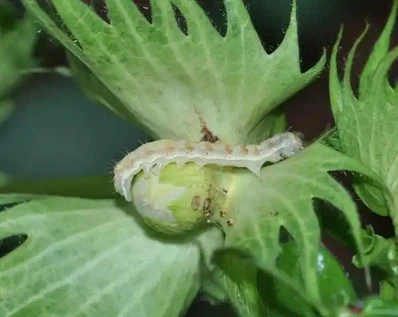
(1) Cotton worm: mainly used to control cotton bollworm and tobacco budworm.
Apply the pesticide when cotton bollworm is in the early larval stage, using 4.2-5.6 ml of 48% suspension per mu, spraying with 30-50 kg of water.
(2) Vegetable pests: Apply the pesticide when diamondback moth is in the early larval stage, using 33-50 ml of 2.5% suspension per mu, spraying with 30-50 kg of water.
For the prevention and control of beet armyworm, apply the pesticide when it is in the early larval stage, using 50-100 ml of 2.5% suspension per mu, spraying with 30-50 kg of water. Apply the pesticide in the evening for the best control effect. For the prevention and control of thrips, use 33-50 ml of 2.5% suspension per mu, spraying with water; or use 1000-1500 times diluted 2.5% suspension for spraying. Focus on spraying young and tender tissues such as flowers, young fruits, tops and tender shoots. It is highly toxic to bees, so avoid applying directly to nectar plants in the flowering period and avoid beekeeping sites. It is best to apply the pesticide at dusk. It is toxic to aquatic arthropods and should be avoided from polluting rivers and water sources.