Paclobutrazol is a triazole low-toxic plant growth regulator, a high-efficiency and long-lasting broad-spectrum plant growth retardant, and an inhibitor of endogenous gibberellin synthesis. Its physiological functions are mainly to inhibit the vigorous growth of new shoots or plants, shorten internodes, promote lateral bud germination, increase the number of flower buds, increase fruit setting rate, increase chlorophyll content and soluble protein content in leaves, increase photosynthetic rate, reduce stomatal conductance and transpiration rate, make plants short and strong, develop root systems, improve plant cold resistance, increase fruit calcium content, and reduce storage diseases; but it can cause leaves to shrink, and excessive use will lead to smaller fruits, short and thick fruit stalks, dull color, and reduced leaf photosynthetic efficiency. The drug can be absorbed by the roots and leaves, and can be applied in the soil or sprayed. The effect of soil application can last for 2-3 years, and it can be stored in perennial branches and trunks, and the effect is most obvious in the second year. The spraying effect only lasts for 2-3 weeks.
Applicable plants: Paclobutrazol can be widely used in apples, pears, grapes, peaches, citrus, rice, wheat, rapeseed, soybeans, tomatoes, peppers, flowers and other plants.
Usage technology: Fruit trees can be sprayed or soil-applied. Spraying is effective quickly, but the lasting effect is short. Soil application has a long lasting effect, but the effect is slow.
1. Before the flowering of apples, pears and peaches in spring, use 10% wettable powder 1.5-2 grams per square meter to evenly apply the soil under the crown. Use 10% wettable powder 150-200 times diluted during the vigorous growth period of new shoots, spray the crown evenly, once every 10-15 days, and spray 2-3 times in a row.
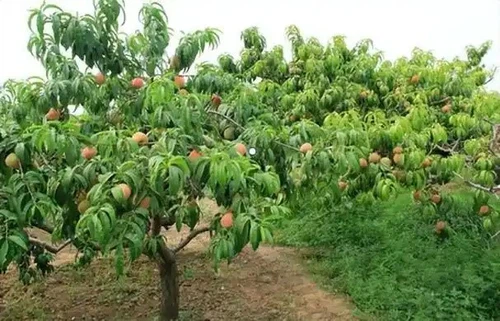
2. After the new shoots are topped, use 10% wettable powder 100-150 times diluted to evenly spray the branches and leaves, once every 15 days, and spray 2-3 times in a row.
3. Before the summer shoots of citrus sprout, spray the leaves with 50-70 times of 10% wettable powder. However, it should not be used during the flowering and young fruit stages to avoid affecting the growth of young fruits.
4. When the rice seedlings have 1 leaf and 1 heart or 5-7 days after sowing, spray evenly with 400-500 times of 10% wettable powder to control the growth of seedlings and promote tillering. During the jointing stage of rice, spray evenly with 300 times of 10% wettable powder once, which has a significant effect on preventing lodging.
5. In the early stage of jointing of wheat, spray the stems and leaves with 700-1000 times of 10% wettable powder once, which can regulate plant growth, prevent lodging, and increase yield.
6. When rapeseed has 2 leaves and 1 heart to 3 leaves and 1 heart, spray evenly with 500 times of 10% wettable powder, which has a significant effect on controlling the vigorous growth of plants and preventing tall seedlings.
7. In the early flowering stage of soybean, spray the stems and leaves with 10% WP 500 times solution once, which can dwarf the plants, promote branching and increase yield.
8. In the early flowering stage of tomatoes and peppers, spray the plants with 10% WP 400 times solution once, which can dwarf the plants, increase the fruit setting rate and increase yield.
9. In the vigorous growth period of herbaceous flowers, spray the plants with 10% WP 500 times solution, which can control vigorous growth, promote compact plants and improve ornamental value.
Precautions: Do not increase the dosage at will. When the dosage is too large, gibberellin can be used to alleviate it and nitrogen fertilizer can be added.