Russia has extended a ban on rice and paddy exports until the first half of 2023, although rice exports to countries in the Eurasian Economic Union are not subject to restrictions, Interfax reported.
Russia banned the export of rice on July 1, 2022, valid until December 31, 2022 (inclusive), aiming to ensure domestic market supply. Accidents in April in the Krasnodar region, the country's main rice producer, raised concerns that Russia's rice production will drop to 797,600 tons from 1.076 million tons in 2021. This is the first time in recent years that rice fell below 1 million tons. In 2020, rice production will be 1.418 million tons, and in 2019 it will be 1.0987 million tons.
In contrast, the Indian government is actively considering lifting restrictions on some rice exports. In September last year, India imposed a 20% duty on exports of white and brown rice and banned the sale of broken rice overseas. The restrictions, which apply to about 60 percent of India's rice exports, have also previously restricted exports of wheat and sugar.
And at the start of the year, with domestic prices stable and government stocks sufficient to meet welfare programs, the Indian government is looking to change.
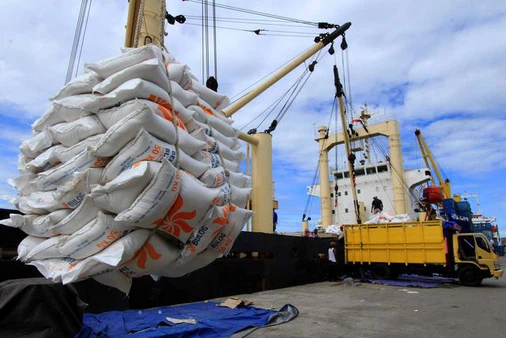
India's lifting of restrictions on rice exports will mark a further easing of the wave of global food protectionism following the Russia-Ukraine conflict. As the world's top rice exporter, India accounts for about 40 percent of global rice trade. Any easing of export restrictions could cool rice prices in Asia, which are near their highest since mid-2021.
The Indian Rice Exporters Association has called on the government to lift restrictions on some rice exports as domestic supplies increase after a bumper harvest. According to the association's president, BV Krishna Rao, the rice association will seek government approval to export at least 1 million tonnes of broken rice and demand the removal of a 20 percent duty on white rice exports.
Some industry analysts pointed out that if India lifts the export ban, China may significantly increase its purchase of Indian rice to increase its grain reserves. Overall, after India lifts the ban on food exports, the global food shortage is expected to be further eased, and the food crisis will gradually ease.
Source: agropages