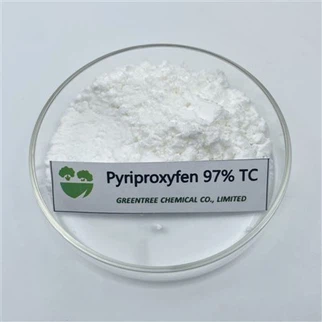
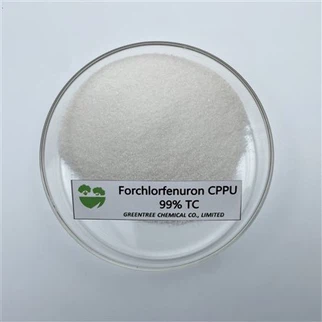
Recently, our company successfully completed an export order for 80% WDG bromocyanamide from a Spanish customer. This customer is a local agricultural input distributor in Spain. This purchase is for 100kg of bromocyanamide as a small-batch trial order, initially supplied to core cooperative farms for demonstration experiments. After verifying the stable efficacy, we will continue to make large-scale purchases.

What is Cyantraniliprole?
Cyantraniliprole, also known as cyantranilamide, targets vegetable pests such as Liriomyza sativae, beet armyworm, cotton bollworm, aphids and cabbage caterpillars. It is a new type of amide systemic insecticide that controls pests by activating the ryanodine receptors of target pests. It primarily acts through stomach poisoning, with supplementary contact activity. Activation of ryanodine receptors triggers the release of stored calcium ions in smooth and striated muscle cells, disrupting muscle movement regulation and causing paralysis, which eventually leads to pest death. This chemical exhibits a remarkably significant selective difference between the ryanodine receptors of mammals and those of pests, greatly improving its safety to mammals, other vertebrates and natural enemies.
Why Does the Spanish Customer Need Cyantraniliprole 80% WDG?
Spain is a core fruit and vegetable producing region in Southern Europe, with large-scale greenhouse cultivation of tomatoes, peppers, melons, and berries in Andalusia and Almería. However, the high multiple cropping index in these greenhouses leads to persistent infestations of pests such as whiteflies, thrips, American serpentine leafminers, beet armyworms, diamondback moths, and bollworms. Farmers cannot completely eliminate these piercing-sucking and chewing pests using ordinary insecticides, and long-term use of conventional pesticides has resulted in significant resistance. Therefore, farmers need an insecticide that combines systemic, stomach poison, and contact action, has a broad spectrum of insecticidal activity, and provides low-residue control.
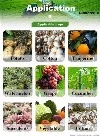
The 80% WDG cyantraniliprole is a diamide insecticide with good systemic conductivity , possessing both stomach poison and contact action. Its water-dispersible granules rapidly disintegrate and disperse in water, producing no dust, making it suitable for greenhouse spraying. Therefore, customers can use it to protect vegetables and fruits such as tomatoes and peppers. Furthermore, this pesticide meets EU residue control standards and aligns with the green cultivation requirements for fruits and vegetables exported from Spain.
Application Scenarios of Cyantraniliprole
I. Targeting tobacco whiteflies/greenhouse whiteflies
In southern regions, tomato and pepper crops are frequently plagued by whiteflies. Whiteflies not only feed on sap but are also major vectors for tomato yellow leaf curl virus and melon virus. Therefore, the best results are achieved when the insects are young nymphs. Application should begin when the insect population is first observed in the field and before the virus spreads. If it is waited until the soil is covered with honeydew or sooty mold has broken out, it will be too late.
II. Thrips
Western flower thrips are the number one and most difficult-to-control pest in Spanish greenhouses. They feed by rasping and sucking, causing mottled spots, rust scars on fruits, and deformed fruit. They also transmit tomato wilt virus. Moreover, thrips hide inside the flowers and sepals of young fruits, making it difficult for many pesticides to reach them. To control this insect, pesticides should be applied during the early flowering and young fruit stages, when thrips eggs hatch and nymphs emerge at their peak, ideally during the times when thrips are most active, such as in the early morning or evening.
III.American serpentine leafminer
This insect's larvae bore tunnels into the leaf mesophyll, disrupting photosynthesis. It is highly prevalent on Spanish melons, beans, and leafy vegetables. If cyromazine is used alone for a long period, resistance will increase. It is recommended to apply the pesticide during the early hatching larval stages; once the tunnels have grown large and the larvae are mature, the pesticide's effectiveness will significantly decrease.
Summarize
For more detailed application instructions, recommended dosages, and resistance management strategies for 80% bromocyanamide water-dispersible granules, please contact our professional agrochemical technical team. We will provide you with targeted technical guidance based on your local crop and pest conditions.