


Greentree Chemical Co., Limited is one of the leading manufacturers and suppliers of cas no. 68157-60-8 cppu 2% sp plant fertilizer fruit-enlarging in China. With abundant experience, our factory offer high quality chemicals made in China with competitive price. Welcome to contact us for free sample.
Forchlorfenuron (CPPU) can delay leaf senescence, prolong the green period, enhance chlorophyll synthesis, improve photosynthesis, and make the leaf color darker and greener.
| Specification | 99% TC; 2% SP |
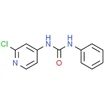
| Chemical Name | N-(2-Chloro-4-pyridyl)-N′-phenylurea |
| Appearance | White crystal powder |
| Molecular Formula | C12H10CLN3O |
| Molecular Weight | 247.6803 |
| Melting Point | 170-172°C |
| Structural Formula |
|
Products Features
Using forchlorfenuron (CPPU) to "mix watermelons" can increase watermelon yield by 50%. Forchlorfenuron (CPPU) is a plant growth regulator allowed by the Ministry of Agriculture of China and a fruit enlarger. Because it can affect the growth and development of plants, it is widely used by our fruit farmers in agricultural production and orchard management. When forchlorfenuron (CPPU) is used on watermelons, it can also affect the growth and development of watermelons, and also has a "miracle" effect. When using forchlorfenuron (CPPU), you should also pay attention to the concentration used. Using too much will inhibit the growth of fruits and fruits, but will have the opposite effect. Failure to expand the fruit will inhibit growth, so when using it, you must consult technical personnel to achieve better results.
Forchlorfenuron (CPPU) has a significant delaying effect on the senescence of rice detached leaves, deepens the leaf color, and has a better green retention effect than purine cytokinins. The duration is long, and the endogenous ethylene release is lower than that of the control without medication. It can improve photosynthesis, enhance stress resistance and delay aging effects. It is especially effective in promoting flower bud differentiation and preventing physiological fruit drop in melon and fruit plants, increasing the fruit setting rate and making the fruit swell.
Products Applications
① Kiwifruit: About 20-25 days after kiwifruit blooms, use 5-20 ml of 0.1% solution and add 1 kg of water (i.e., concentration of 5-20 mg/L) to soak young fruits once, which can increase single fruit weight and increase yield.
② Grapes: 10-15 days after grapes bloom, use 10-20 ml of 0.1% chlorfenapyr soluble solution and add 1 kg of water, then soak young fruit bunches once, which can promote grape fruit expansion and increase yield by more than 80%, and has no adverse effect on fruit quality.
③ Melon: Use 0.1% chlorfenapyr 10-20 ml of soluble liquid, add 1 kg of water, and then soak the melon buds or melon embryos, which can regulate the growth of melons, promote fruit setting, and increase production by more than 50%
④ White radish: Use 5 mg/kg liquid to spray on the leaves when the fleshy roots begin to expand, spray once every 4 days, a total of 4 times, which can inhibit the hollow heart and shoots of spring greenhouse radishes and increase production
⑤ Potatoes: Spray with 100 mg/kg liquid 70 days after potato planting, which can significantly increase potato production by more than 50%
⑥ Rice: Use 15 mg/kg liquid, spray 10 days after rice ears, which can keep green, promote reproductive growth, develop the root system, and increase rice production.
Products Package
100g/bag, 250g/bag, 500g/bag, 1000g/bag, 10kg/box or 25kg/barrel.

Precautions
1. When using forchlorfenuron (CPPU), you need to pay attention to the dilution concentration. Too high a concentration will cause phytotoxicity, and different crops have different concentration requirements.
2. The concentration should not be increased at will, otherwise bitterness, hollowness, deformed fruits, etc. may occur.
3. It cannot be reused.
FAQ
Q: Can I Get Free Sample?
Q: Can I Use My Own Sea Forwarder And Do FOB Term?
Q: How To Guarantee My Money And Product Quality?
Q: Can I get your COA,TDS and MSDS?
Q: Can you do the customized package?
Q: How long of the delivery time?
Q: How about the MOQ?
Q: How about the payment items?
Q: Can i visit your factory?
Q: Can you support us in the applications?
Q: Can you accept the inspection from a third party?
Hot Tags: cas no. 68157-60-8 cppu 2% sp plant fertilizer fruit-enlarging, China, suppliers, manufacturers, price, free sample, 2IP tissue culture, CAS NO. 75737-38-1, CAS NO 1637 39 4 Cytokinins Plant Hormone Trans Zeatin Zeatin 99 in Plant Tissue Culture, CAS NO 6025 53 2, Meta Topolin, Zeatin in plant hormone


