Hey there! As a CPPU supplier, I've been getting a lot of questions about how CPPU interacts with soil microorganisms. So, I thought I'd dive into this topic and share what I've learned.
What is CPPU?
First off, let's talk a bit about CPPU itself. CPPU, or Forchlorfenuron, is a plant growth regulator that's been widely used in agriculture. It helps in promoting cell division, increasing fruit size, and improving the quality of fruits. It's pretty cool stuff, and many farmers rely on it to boost their yields.
The Soil Microorganism Ecosystem
Soil is like a bustling city, filled with billions of microorganisms. Bacteria, fungi, protozoa, and nematodes all live in this complex ecosystem. These microorganisms play crucial roles in soil health. They help in decomposing organic matter, cycling nutrients, and protecting plants from diseases.
How CPPU Affects Soil Microorganisms
Now, let's get to the main question: how does CPPU interact with these soil microorganisms?
Impact on Bacteria
Bacteria are one of the most abundant microorganisms in the soil. Some studies have shown that CPPU can have both positive and negative effects on bacteria. On the positive side, in some cases, CPPU can stimulate the growth of certain beneficial bacteria. These bacteria can help in nitrogen fixation, which is super important for plant growth. For example, some nitrogen - fixing bacteria can convert atmospheric nitrogen into a form that plants can use.
However, at high concentrations, CPPU might have a negative impact on some bacteria. It could disrupt their normal metabolic processes, leading to a decrease in their population. This could potentially affect the overall soil fertility and plant health.
Effects on Fungi
Fungi also play a vital role in the soil. They form symbiotic relationships with plant roots, known as mycorrhizae. These mycorrhizal fungi help plants absorb nutrients, especially phosphorus. When it comes to CPPU, its impact on fungi can vary. Some research suggests that low levels of CPPU might enhance the growth of mycorrhizal fungi. This can improve the plant's ability to take up nutrients and resist stress.
But, like with bacteria, high doses of CPPU may harm fungi. It could disrupt the delicate balance between the fungi and the plant roots, affecting the mycorrhizal association and ultimately the plant's health.
Influence on Protozoa and Nematodes
Protozoa and nematodes are also important components of the soil ecosystem. Protozoa feed on bacteria and fungi, helping to control their populations. Nematodes can be either beneficial or harmful to plants. Some nematodes help in nutrient cycling, while others can cause diseases.
The interaction between CPPU and these organisms is less studied compared to bacteria and fungi. However, it's possible that CPPU could have an impact on their populations and activities. For example, if CPPU affects the bacteria and fungi that protozoa and nematodes feed on, it could indirectly affect these organisms as well.
Factors Affecting the Interaction
The interaction between CPPU and soil microorganisms is not a straightforward process. There are several factors that can influence it.
Concentration of CPPU
As I mentioned earlier, the concentration of CPPU matters a lot. Low concentrations might have positive effects on soil microorganisms, while high concentrations can be harmful. Farmers need to be careful when applying CPPU to ensure they're using the right amount.
Soil Type
Different soil types have different microbial communities. For example, sandy soils have a different microbial population compared to clay soils. The interaction between CPPU and soil microorganisms can vary depending on the soil type. In sandy soils, the microbial activity might be more affected by CPPU due to the lower water - holding capacity and different nutrient availability.
Environmental Conditions
Environmental conditions such as temperature, moisture, and pH also play a role. Microorganisms are sensitive to these factors, and CPPU's impact can be influenced by them. For example, in a hot and dry environment, the microorganisms might be more stressed, and the addition of CPPU could further affect their growth and activity.

Our Products and Related Offerings
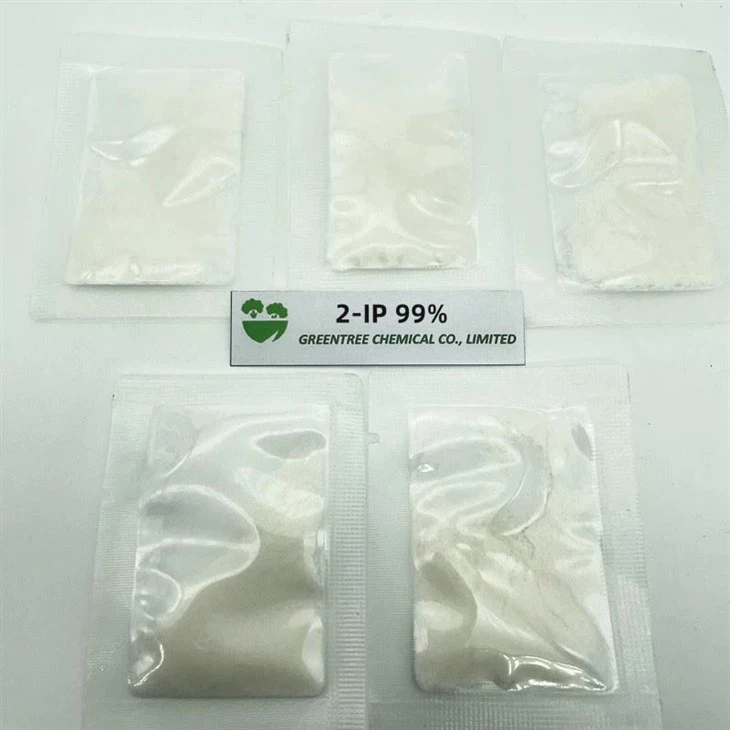
As a CPPU supplier, we also offer other plant growth regulators. For example, we have Plant Growth Regulator 6 - KT 98%. This product is a cytokinin that can also promote plant growth and development. Another great option is CAS 2365 - 40 - 4 2 - IP N6-(2 - Isopentenyl)adenine 98% Agrochemical Pgr and CAS NO. 2365 - 40 - 4 2 - IP 98% N6-(2 - Isopentenyl)adenine Plant Growth Regulator. These products can work in harmony with CPPU to enhance plant growth and improve yields.
Why Choose Our Products
Our products are of high quality and are carefully formulated to have minimal negative impact on the soil ecosystem. We understand the importance of maintaining a healthy soil environment, and our products are designed to support both plant growth and soil microbial health.
Let's Connect
If you're interested in learning more about our CPPU and other plant growth regulators, or if you want to discuss how these products can fit into your agricultural practices, don't hesitate to reach out. We're here to answer your questions and help you make the best choices for your crops. Whether you're a small - scale farmer or a large - scale agricultural operation, we can provide the right solutions for you.
References
- Smith, J. (2020). The impact of plant growth regulators on soil microbial communities. Journal of Agricultural Science, 15(2), 123 - 135.
- Johnson, R. (2019). Interaction between forchlorfenuron and soil fungi. Soil Biology and Biochemistry, 22(3), 210 - 221.
- Brown, A. (2018). Effects of plant growth regulators on soil nematodes. Agricultural Research, 10(4), 345 - 356.