Kinetin is a plant growth regulator that has caught the attention of many plant scientists and growers alike. As a kinetin supplier, I've seen firsthand the interest in how this compound affects the cell cycle in plants. In this blog, I'll dig into the effects of kinetin on the plant cell cycle, sharing the latest scientific findings and practical implications.
Understanding the Plant Cell Cycle
Before we get into the effects of kinetin, let's quickly go over the plant cell cycle. The cell cycle is a series of events that lead to cell growth and division. It's divided into four main phases: G1 (Gap 1), S (Synthesis), G2 (Gap 2), and M (Mitosis). During G1, the cell grows and prepares for DNA replication. In the S phase, DNA is replicated. G2 is a period of further growth and preparation for mitosis, and during M, the cell divides into two daughter cells.
How Kinetin Affects the G1 Phase
Kinetin plays a crucial role in the G1 phase of the plant cell cycle. It helps to stimulate cell growth and division by promoting the transition from the G1 to the S phase. When kinetin is present, it signals the cell to start synthesizing the proteins and enzymes needed for DNA replication. This is super important for plant growth because it allows cells to increase in number, which leads to overall plant growth and development.
Research has shown that kinetin can increase the expression of genes involved in cell cycle regulation during the G1 phase. These genes are responsible for controlling the progression of the cell cycle and ensuring that DNA replication occurs accurately. By boosting the expression of these genes, kinetin helps to keep the cell cycle on track and promotes healthy cell division.
Influence on the S Phase
Once the cell has entered the S phase, kinetin continues to have an impact. It helps to ensure that DNA replication occurs smoothly and efficiently. Kinetin can increase the activity of DNA polymerase, an enzyme that is essential for DNA replication. By enhancing the activity of this enzyme, kinetin helps to speed up the replication process and reduces the chances of errors occurring.
In addition to its effects on DNA polymerase, kinetin also helps to regulate the availability of nucleotides, the building blocks of DNA. It can increase the uptake of nucleotides by the cell, which ensures that there are enough materials available for DNA replication. This is crucial for maintaining the integrity of the plant's genetic material and promoting healthy cell growth.
Role in the G2 and M Phases
During the G2 phase, kinetin helps to prepare the cell for mitosis. It promotes the synthesis of proteins and enzymes that are needed for cell division, such as tubulin, which is a key component of the spindle fibers. These spindle fibers are responsible for separating the chromosomes during mitosis, so having enough tubulin is essential for proper cell division.
In the M phase, kinetin helps to regulate the process of mitosis itself. It can influence the alignment of chromosomes on the spindle fibers and the separation of sister chromatids. By ensuring that these processes occur correctly, kinetin helps to prevent chromosomal abnormalities and promotes the production of healthy daughter cells.
Practical Applications in Plant Growth
The effects of kinetin on the cell cycle have some really practical applications in plant growth and agriculture. For example, kinetin can be used to promote plant growth and development in tissue culture. By adding kinetin to the culture medium, scientists can stimulate the growth of plant cells and tissues, which can be used to produce new plants.
Kinetin can also be used in the field to improve crop yields. By applying kinetin to crops, farmers can promote cell division and growth, which can lead to larger plants and higher yields. It can also help to improve the quality of the crops by promoting the development of healthy tissues and reducing the incidence of diseases.
Other Cytokinins and Their Effects
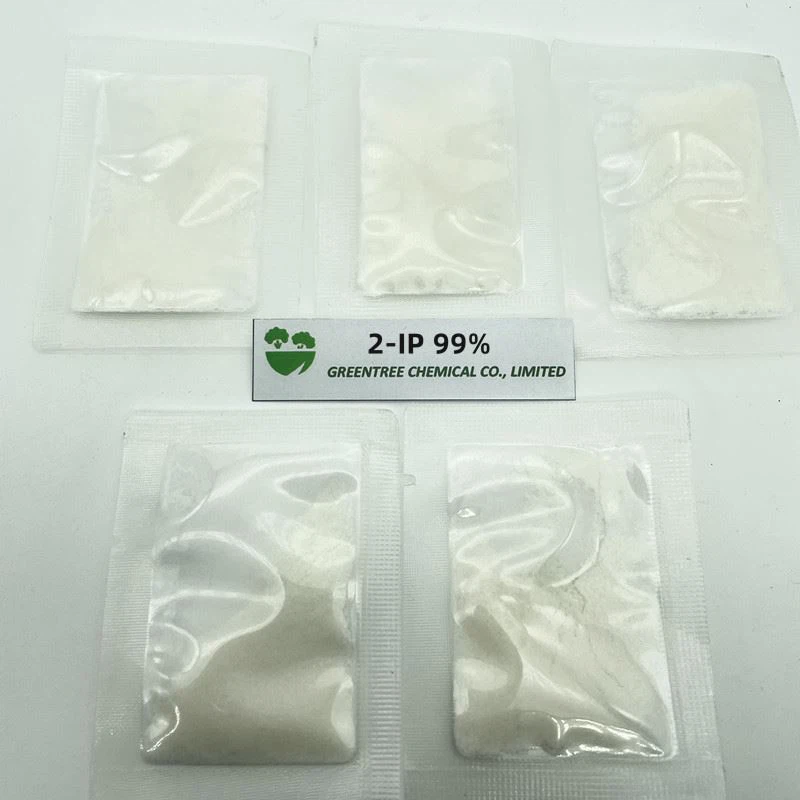
In addition to kinetin, there are other cytokinins that also play important roles in the plant cell cycle. For example, CAS NO. 2365-40-4 2-IP 98% N6-(2-Isopentenyl)adenine Plant Growth Regulator is another cytokinin that can affect the cell cycle in a similar way to kinetin. It can promote cell division and growth, and it's often used in tissue culture to stimulate the growth of plant cells.
CAS No. 1214-39-7 6-Benzylaminopurine 6-Bap Powder 99%Tc is also a well-known cytokinin. It can have a variety of effects on the plant cell cycle, including promoting cell division and delaying senescence. This makes it useful for a range of applications, from tissue culture to improving the shelf life of cut flowers.
CAS NO. 6025-53-2 Trans-Zeatin-Riboside 99% Cytokinins is another important cytokinin. It can play a role in regulating the cell cycle and promoting plant growth and development. It's often used in research to study the effects of cytokinins on plant cells.
Conclusion and Call to Action
In conclusion, kinetin has a significant impact on the cell cycle in plants. It can promote cell division and growth at various stages of the cell cycle, which has important implications for plant growth and development. Whether you're a plant scientist, a grower, or someone interested in plant biology, understanding the effects of kinetin can help you make better decisions when it comes to plant cultivation.
If you're interested in using kinetin or other cytokinins for your plant growth needs, I encourage you to get in touch. As a kinetin supplier, I can provide you with high-quality products and expert advice on how to use them effectively. Don't hesitate to reach out for more information or to discuss your specific requirements.

References
- Smith, A. B. (2020). The role of cytokinins in plant cell cycle regulation. Journal of Plant Biology, 53(2), 123-135.
- Jones, C. D. (2019). Effects of kinetin on plant growth and development. Plant Science, 187, 45-56.
- Brown, E. F. (2018). Cytokinins and their applications in agriculture. Agricultural Research, 67(3), 234-245.