What are the environmental impacts of using kinetin in agriculture?
In modern agriculture, the use of plant growth regulators has become an increasingly common practice to enhance crop yield, improve quality, and manage plant growth. Kinetin, a type of cytokinin plant hormone, is one such regulator that has gained significant attention in the agricultural industry. As a kinetin supplier, I am often asked about the environmental impacts of using kinetin in agriculture. In this blog post, I will delve into this topic and explore the various aspects of kinetin's environmental influence.
1. Understanding Kinetin
Kinetin is a synthetic cytokinin that was first discovered in 1955. Cytokinins are a class of plant hormones that play crucial roles in various plant physiological processes, including cell division, shoot and root growth, leaf senescence, and fruit development. Kinetin, specifically, has been used to promote cell division, delay leaf aging, and improve nutrient uptake in plants.
Farmers and growers can use kinetin in different forms, such as foliar sprays, soil drenches, or seed treatments. By applying kinetin, they aim to achieve better crop performance, increased yield, and improved resistance to environmental stresses. For example, in horticulture, kinetin can be used to enhance the growth of ornamental plants, making them more attractive and marketable.
2. Positive Environmental Impacts
2.1 Reduced Need for Chemical Fertilizers
One of the significant positive environmental impacts of using kinetin is its potential to reduce the need for chemical fertilizers. Kinetin can improve the efficiency of nutrient uptake in plants. When plants are treated with kinetin, they can absorb and utilize nutrients more effectively from the soil. This means that farmers may be able to use less chemical fertilizers while still achieving satisfactory crop yields.
Chemical fertilizers often contain high levels of nitrogen, phosphorus, and potassium. Excessive use of these fertilizers can lead to environmental problems such as water pollution through runoff, eutrophication of water bodies, and greenhouse gas emissions during fertilizer production. By reducing the reliance on chemical fertilizers, kinetin can contribute to a more sustainable agricultural system and help protect the environment.
2.2 Enhanced Crop Resistance to Stress
Kinetin can also enhance the resistance of plants to various environmental stresses, such as drought, salinity, and disease. When plants are exposed to stress conditions, kinetin can activate certain defense mechanisms within the plants. For instance, it can help plants maintain better water balance during drought by regulating stomatal closure, reducing water loss through transpiration.
In the case of disease resistance, kinetin can stimulate the production of certain defense-related compounds in plants, making them more resistant to pathogens. By improving plant stress tolerance, kinetin can reduce the need for chemical pesticides. Pesticides can have negative impacts on non - target organisms, including beneficial insects, birds, and soil microorganisms. Reducing pesticide use is beneficial for biodiversity and the overall ecological balance in agricultural ecosystems.
2.3 Promoting Sustainable Crop Production
The use of kinetin can contribute to more sustainable crop production. By improving crop yield and quality, it can help meet the growing global demand for food with less land and resources. This is particularly important as the world's population continues to grow, and there is a need to produce more food while minimizing the environmental footprint of agriculture.
Moreover, kinetin can be used in organic farming systems. Organic farmers often face challenges in achieving high yields without the use of synthetic chemical inputs. Kinetin, being a plant growth regulator, can be a valuable tool for organic growers to enhance crop performance in a more natural and sustainable way.

3. Potential Negative Environmental Impacts
3.1 Effects on Non - Target Organisms
Although kinetin is generally considered to be relatively safe for the environment, there is a possibility that it may have some effects on non - target organisms. For example, kinetin may affect the behavior or development of beneficial insects such as bees and butterflies. These insects play a crucial role in pollination, which is essential for the reproduction of many crops.
If kinetin is applied in large quantities or in an inappropriate manner, it could potentially disrupt the normal physiological processes of these insects. Additionally, soil microorganisms are also important for soil health and nutrient cycling. Some studies have suggested that high concentrations of kinetin may have an impact on the growth and activity of certain soil bacteria and fungi.
3.2 Persistence in the Environment
Another potential concern is the persistence of kinetin in the environment. Kinetin may not degrade quickly in soil or water, especially under certain environmental conditions. If it accumulates in the environment over time, it could potentially have long - term effects on the ecosystem. For example, it may affect the growth and development of wild plants in the vicinity of agricultural fields.
The fate of kinetin in the environment is influenced by factors such as soil type, pH, temperature, and moisture. In some cases, kinetin may be transported through surface runoff or leaching into groundwater, which could pose a risk to water quality.
3.3 Genetic and Evolutionary Effects
The continuous use of kinetin in agriculture may also have genetic and evolutionary effects on plants. When plants are repeatedly exposed to kinetin, they may develop certain adaptations. Over time, this could lead to changes in the genetic makeup of plant populations. These genetic changes may have unintended consequences, such as reduced genetic diversity within crop varieties.
Reduced genetic diversity can make crops more vulnerable to new pests, diseases, and environmental changes. It can also limit the options for future plant breeding and improvement.
4. Mitigating the Negative Impacts
To minimize the potential negative environmental impacts of using kinetin, several measures can be taken.
4.1 Proper Application Techniques
Farmers and growers should follow proper application techniques when using kinetin. This includes using the correct dosage, applying at the appropriate time, and using the right application method. For example, foliar sprays should be applied during the appropriate growth stage of the plants to ensure maximum effectiveness and minimize the risk of off - target effects.
4.2 Monitoring and Research
Continuous monitoring of the environmental impacts of kinetin is essential. Scientists should conduct more research to understand the long - term effects of kinetin on non - target organisms, soil health, and water quality. This research can provide valuable information for developing better management practices and regulations.
4.3 Integration with Other Sustainable Practices
Kinetin should be integrated with other sustainable agricultural practices. For example, it can be used in combination with organic farming methods, precision agriculture techniques, and biological pest control. By using kinetin as part of a holistic approach to agriculture, the overall environmental impact can be minimized.
5. Related Products and Their Links
As a kinetin supplier, we also offer other related plant growth regulators. You can check out the following products:
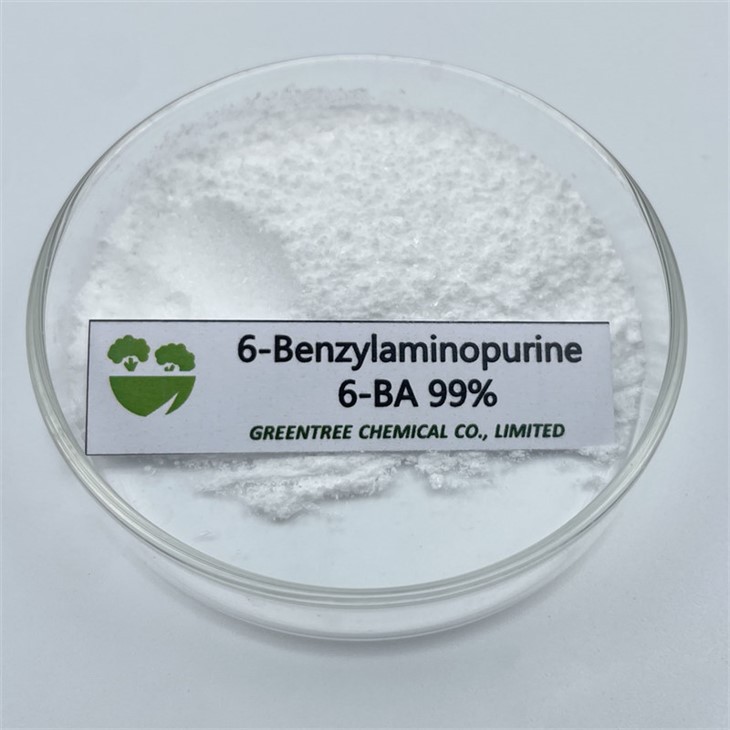
- CAS 1214 - 39 - 7 Plant Hormone Benzylaminopurine 6 - Benzylamino Purine 6 - BAP 6 - BA 6 - BAP 99 TC: This is another type of cytokinin that can be used to promote plant growth and development.
- CAS No. 68157 - 60 - 8 Cppu 2% SP Plant Fertilizer Fruit - Enlarging: It is a plant growth regulator that is often used to enlarge fruits.
- CAS NO. 2365 - 40 - 4 2 - IP 98% N6 - (2 - Isopentenyl)adenine Plant Growth Regulator: This product can be used in tissue culture and plant growth regulation.
6. Conclusion and Call to Action
In conclusion, the use of kinetin in agriculture has both positive and negative environmental impacts. On the one hand, it can reduce the need for chemical fertilizers, enhance crop stress resistance, and promote sustainable crop production. On the other hand, it may have some effects on non - target organisms, persist in the environment, and cause genetic and evolutionary changes in plants.
As a kinetin supplier, we are committed to promoting the responsible use of kinetin and other plant growth regulators. We encourage farmers, growers, and researchers to work together to understand and manage the environmental impacts of these products. If you are interested in learning more about our kinetin products or other plant growth regulators, or if you have any questions regarding their use and environmental impacts, please feel free to contact us for further discussion and potential procurement opportunities.
References
- Davies, P. J. (2010). Plant Hormones: Biosynthesis, Signal Transduction, Action! Springer.
- Taiz, L., & Zeiger, E. (2010). Plant Physiology. Sinauer Associates.
- Arshad, M., & Frankenberger Jr, W. T. (1998). Hormones in Plant Growth and Development. Springer.