


In agricultural production, in order to increase the fruit setting rate, improve crop yield and quality, forchlorfenuron, commonly known as "expansion agent", is often used. If used properly, it can not only promote fruit setting and fruit expansion, but also increase production and improve quality. However, if used improperly, it is likely to not only fail to achieve the expected effect, but will produce hollow, cracked, deformed and other adverse consequences. Today we will talk about the application technology of forchlorfenuron.
1. About Forchlorfenuron
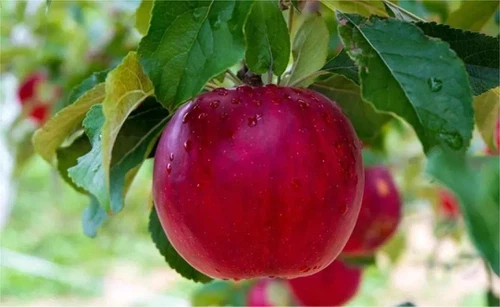
Forchlorfenuron, also known as KT-30, CPPU, etc., is a plant growth regulator with furfural aminopurine effect. It is also the most synthetic furfural aminopurine with the highest cell division activity. Its biological activity is about 10 times that of benzyl aminopurine. It can promote crop growth, increase fruit setting rate, promote fruit expansion and preservation, etc. It can be applied to various crops such as cucumbers, watermelons, tomatoes, eggplants, grapes, apples, pears, citrus, loquats, kiwis, etc., especially melons, underground rhizomes and fruits.

2. Product effects
(1) Promote crop growth. Forchlorfenuron has cell division activity, which can affect the development of plant buds and accelerate cell mitosis. After application, it can increase the number of cells, promote the lateral and longitudinal growth of organs, promote cell enlargement and differentiation, promote the growth of crop stems, leaves, roots and fruits, delay leaf aging, prolong the green period, strengthen chlorophyll synthesis, improve photosynthesis, and promote plant stems and branches to be thick and strong, leaves to be enlarged, and leaf color to become darker and greener.
(2) Improve fruit setting rate and promote fruit enlargement. Forchlorfenuron can not only break the apical dominance of crops and promote the germination of lateral buds, but also can promote the differentiation of guide buds, promote the formation of lateral branches, increase the number of branches, increase the number of flowers, and improve pollen fertilization. It can also induce parthenocarpy, stimulate ovary enlargement, prevent the shedding of fruits and flowers, and improve fruit setting rate; it can also effectively promote the late growth and enlargement of fruits, promote protein synthesis, increase sugar content, increase fruit yield, improve quality, and mature and market early.
(3) Forchlorfenuron can promote the growth of plant callus tissue and has a fresh-keeping effect. It can be used to prevent the degradation of vegetable chlorophyll and extend the shelf life.
3. Applicable crops
Forchlorfenuron can be applied to almost all crops, such as field crops such as wheat, rice, peanuts, and soybeans; nightshade vegetables such as tomatoes, eggplants, and peppers; melons such as cucumbers, bitter melons, wax gourds, pumpkins, watermelons, and melons; underground rhizomes such as potatoes, taro, ginger, and onions; fruit trees such as citrus, grapes, apples, litchi, longan, loquat, bayberry, mango, bananas, pineapples, strawberries, pears, peaches, plums, apricots, cherries, pomegranates, walnuts, dates, and hawthorns; medicinal materials such as ginseng, astragalus, platycodon, bezoar, coptis, angelica, chuanxiong, raw rehmannia, atractylodes, white peony, tuckahoe, ophiopogon, Panax notoginseng, and wolfberry; and landscape plants such as flowers and gardening.
4. Usage
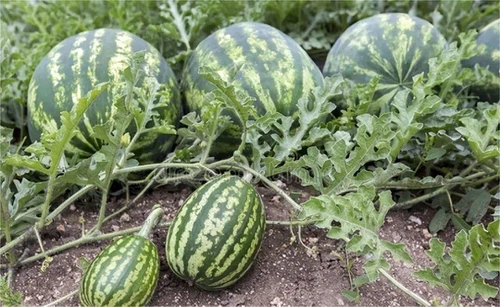
(1) Used to increase the fruit setting rate. For melons such as watermelon, cantaloupe, cucumber, etc., spray the melon embryo or apply 0.1% soluble liquid 20-35 times liquid to the fruit stalk for one circle on the day of female flower opening or one day before or after. This can prevent the phenomenon of difficult fruit setting and fruit melting caused by insect pollination and increase the fruit setting rate.
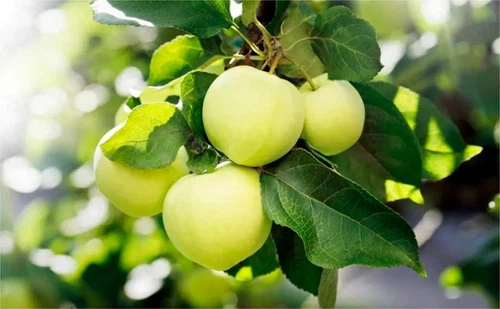
(2) Used to promote fruit expansion. For apples, citrus, peaches, pears, plums, lychees, longans, etc., 5-20mg/kg forchlorfenuron solution can be used to soak the fruit stalks and spray the young fruits 10 days after full bloom to increase the fruit setting rate; after the second physiological fruit drop, spray 0.1% forchlorfenuron 1500 to 2000 times, and apply it together with high phosphorus potassium or high calcium boron foliar fertilizer, and spray the second time after an interval of 20 to 30 days. Spraying twice in a row has a significant effect.

(3) Used for preservation. After picking strawberries, spray or soak the fruits with 0.1% soluble liquid 100 times, dry and store, which can extend the storage period.
The effect of forchlorfenuron mixed with auxin, gibberellin or brassinolide, or their mixed products, is generally better than using a single agent, but it must be carried out under the guidance of agricultural technicians or after a test to avoid losses due to improper use.
Precautions
(1) When using forchlorfenuron, water and fertilizer management must be done well. When we shared brassinolide, we mentioned that regulators only regulate the growth of crops and have no nutritional components. After using forchlorfenuron, it promotes the cell division and cell expansion of crops, and the plant's nutrient consumption will also increase accordingly. Therefore, it is necessary to supplement sufficient nitrogen, phosphorus and potassium fertilizers to ensure the supply of nutrients. At the same time, calcium, magnesium and other elements should be appropriately supplemented to prevent cracked fruits, rough skin and other adverse conditions.
(2) When using forchlorfenuron, strictly follow the instructions for use. Do not increase the concentration and frequency of use at will. If the concentration is too high, hollow or deformed fruits may appear, and the coloring and taste of the fruit may also be affected. Especially when used on old, weak, diseased plants or weak branches where the nutrient supply cannot be guaranteed normally, the dosage should be reduced. It is best to thin the fruits appropriately to achieve a balanced nutrient supply.
(3) Forchlorfenuron is volatile and flammable. It should be sealed and stored in a cool, dry and ventilated place. It should not be left for a long time after dilution with water. It is best to prepare it and use it immediately. Leaving it for a long time will reduce the efficacy of the drug. It is not resistant to rain erosion. If it rains within 12 hours after treatment, it needs to be treated again.


