Propamocarb is a carbamate fungicide developed by Bayer in the 1990s. It has the characteristics of local systemic action and is particularly effective against Oomycete fungi. Mainly by inhibiting the biosynthesis of phospholipids and fatty acids in the bacterial cell membrane components, it inhibits hyphal growth, sporangium formation and germination. It can be used to prevent and control downy mildew and epidemic diseases of common melons and vegetables.

Propamocarb is suitable for soil treatment, seed treatment and foliar spray. Propamocarb is effective against fungi, such as diseases caused by hygromycetes, discoideum, downy mildew, blight, pseudoperonospora, pythium and other fungi; and it has a stimulating effect on plant growth.
The biggest feature of this fungicide is that it is known for its quick effect. Therefore, it can be used as a "disaster relief" pesticide when the disease is in an outbreak or in the epidemic stage.
Propamocarb's mechanism of action
The bactericidal mechanism of Propamocarb is mainly to inhibit the biosynthesis of phospholipids and fatty acids in the bacterial cell membrane components, thereby inhibiting hyphal growth, sporangium formation and germination.

This bactericidal mechanism is different from other types of fungicides and has no cross-resistance. The international Fungicide Resistance Action Committee (FRAC) assesses the risk of resistance to this bacterium as low to moderate.

The drug has good systemic conductivity. When used for soil treatment, it can be quickly absorbed by the roots and transported upward to the entire plant. When used to treat stems and leaves, it can be quickly absorbed by the leaves and distributed in the leaves, and can play a protective role within 30 minutes. Propamocarb has a significant growth-promoting effect on the roots, stems and leaves of crops.
Propamocarb can be made with metalaxyl, metalaxyl, azoxystrobin, difenoconazole, octostrobin acetate, fluopicolin, fluazinam, kasugamycin, and dimethomorph.
Applicable crops and control objects of Propamocarb
Propamocarb can be widely used on yellow eggplant, pepper, lettuce, potatoes and other vegetables as well as tobacco, strawberry, lawn, flowers and Oomycete fungal diseases, such as downy mildew, blight, damping-off, late blight, etc.
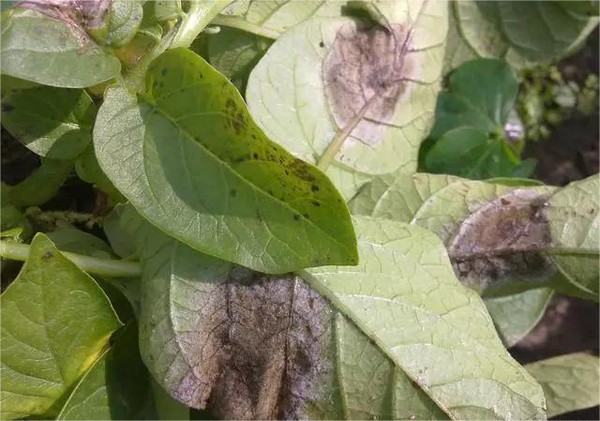
To prevent and control cucumber diseases and damping-off, the dosage is 722 g/L aqueous agent and 5~8 mL/m2 for seedbed irrigation. To control cucumber downy mildew, the dosage is 722 g/L aqueous agent, 0.9~1.5 L/hm2; for bell pepper blight, 1.08~1.605 L/hm2 spray.
Precautions
A special reminder: Propamocarb hydrochloride and Propamocarb are not the same medicine. Propamocarb hydrochloride has better water solubility and moves faster in the crop body. It is recommended that propamocarb hydrochloride be the first choice when controlling downy mildew, blight, damping-off and other diseases.
In order to avoid or delay the development of drug resistance, propamocarb hydrochloride should be mixed with agents with different mechanisms of action, which not only has a broad bactericidal spectrum, but also delays the development of drug resistance of pathogens.
When using, pay attention to the current use and use the secondary dilution method to prepare.
Propamocarb hydrochloride should not be mixed with copper preparations and alkaline preparations, otherwise the efficacy will be reduced!
Pay attention to protecting beneficial organisms when using it. During application, avoid affecting the surrounding bee colonies. It is prohibited to use it during the flowering period of flowering plants, silkworm houses and mulberry gardens. Apply pesticides away from aquaculture areas, and it is prohibited to wash pesticide application equipment in rivers, ponds and other water bodies.