1. Citrus, grape, lychee, longan, apple, pear
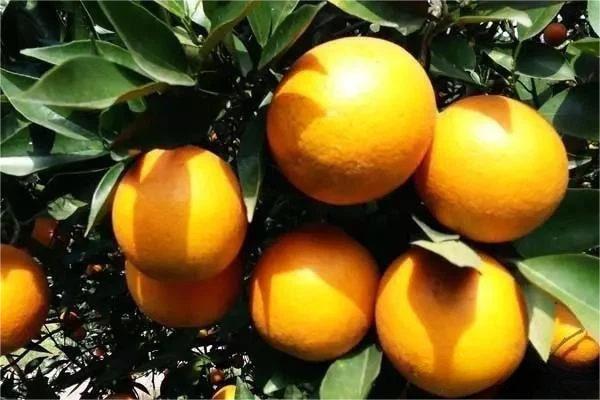
Use: first flowering stage, young fruit stage, swelling stage, coloring stage
Effect: Preserving flowers and fruits, significantly improving fruit set rate, uniform fruit size, good coloring, sweetening, early maturity and yield increase by 25-40%, improving cold resistance
2. Peach, loquat, plum, apricot, strawberry, banana
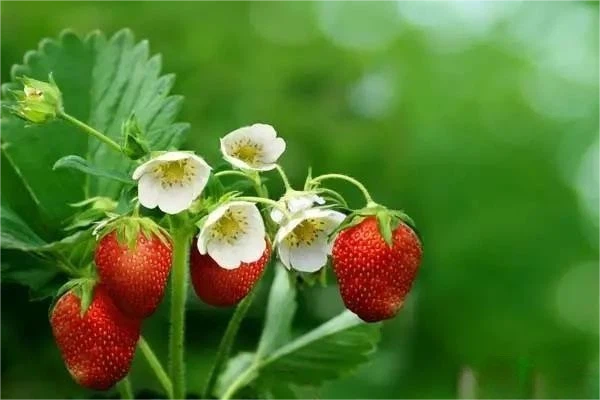
Period: first flowering stage, young fruit stage, fruit expansion stage
Effect: Preserving flowers and flowers, significantly improving fruit set rate, fast fruit growth, uniform size, good coloring, sweetening, fruit ripening, yield increase by 25-40%
3. Tomatoes, eggplants, peppers and other solanaceous fruits

Use: seedling stage, flowering stage, after fruit set, young fruit stage
Effect: strong seedlings, disease resistance, stress resistance, increased flower and fruit preservation, uniform and bright fruit, improved quality, early maturity, extended harvest period by 15-30 days, increased yield by 30-60%
4. Watermelon, melon, cantaloupe, cucumber and other melons
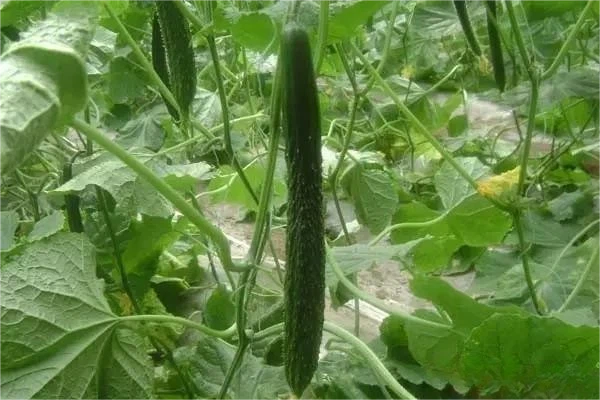
Use: seedling stage, flowering stage, after fruit set, young fruit stage
Effects: strong seedlings, disease resistance, stress resistance, increased flowers and fruits, enlarged fruits, sweet taste, improved quality, early maturity, increased yield by 20-35%
5. Roots such as radishes and carrots

Use: seedling stage, succulent root formation stage
Effect: strong seedlings, disease resistance, stress resistance, straight root, stout, smooth epidermis, improved quality, early maturity, increased yield by 35-55%
6. Snow beans, beans, peas and other beans
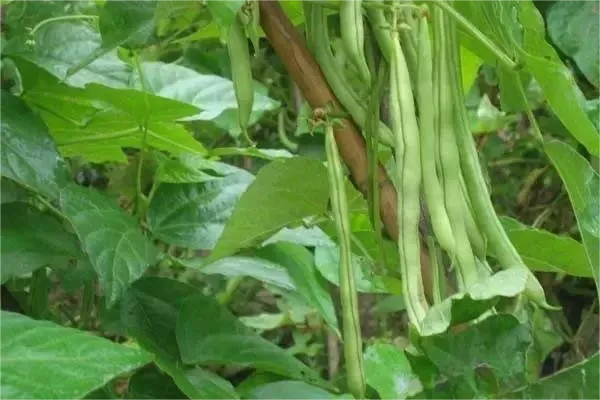
Use: seedling stage, full bloom stage, pod setting stage
Effects: Strong seedlings, good stress resistance, increased pod setting rate, early maturity, prolonged growth and harvest periods, increased yield by 30-45%
7. Onion, garlic, ginger, leeks

Use: Spray once every 10-15 days during the vegetative growth period, 2-3 times in total
Effect: Promote vegetative growth, enhance stress resistance, early maturity, increase yield by 25-40%
8. Leafy vegetables

Use: seedling stage, rapid growth stage
Effect: Promote vegetative growth, good growth, increase production by 20-45%
9. Roots such as beets, potatoes, sweet potatoes, and taro

Use: seedling stage, rhizome formation stage and expansion stage
Effect: strong seedlings, improved stress resistance, thick rhizomes, early maturity, increased yield by 30-50%
10. Tea

Use: When tea buds are sprouting, after picking
Effect: The density of tea buds, the weight of 100 buds and the new shoots increase, the branches and leaves are lush, the amino acid content is increased, and the yield is increased by 15-30%.
11. Tobacco

Use: After planting, group tree period, prosperous period
Effect: strong seedlings, increased leaves, hypertrophy, improved stress resistance, early harvest, good color of flue-cured tobacco, high grade, increased yield by 20-40%
12. Cotton

Use: seedling stage, flower bud stage, flower boll stage
Effect: strong seedlings, luxuriant leaves, improved resistance, increased bolls, white cotton wool, high quality, increased yield by 20-30%
13. Soybeans, Rapeseeds, Peanuts

Use: seedling stage, first flowering stage, pod setting stage
Effect: vigorous growth, enhanced stress resistance, more flowers and more pods, plump pods, improved oil yield, early maturity, increased yield by 20-30%
14. Rice, wheat, corn

Use: seedling stage, heading and flowering stage, grain filling stage
Effect: vigorous growth, enhanced stress resistance, more flowers and more pods, plump pods, improved oil yield, early maturity, increased yield by 20-30%
15. Flowers, Chinese herbal medicines, etc.

Use: Every 7-12 days during the growing season
Effect: Early flowering, prolonging the flowering period, bright colors, increasing the recovery rate of medicinal materials, and improving the quality of goods
16. Lawn

Use: Every 8-12 days during the growing season
Effect: vigorous growth, high survival rate, increased tillering, drought resistance and waterlogging resistance
17. Seed soaking of various crops

Effect: Improve germination rate, improve root vitality, develop root system, grow vigorously, resist seedling disease
The effect is magical, but it cannot be overstated
Seeing the above effects, do you feel that brassinolide is a legend?
However, it is not.
1. Brassinolide is a chemical substance with a biomimetic sterol structure. It has a certain concentration suitable for use. If the concentration is too high, it will not only cause waste, but may also inhibit crops to varying degrees.
2. The effect is obvious under adversity, so the effect is not good under the condition of good crop growth.
3. Some manufacturers unilaterally exaggerate the efficacy and activity of their own products, resulting in a big difference between the actual effect and the publicity effect of farmers after use. This virtually impedes the further development of the brassinolide market.
4. The effect of brassinolide cannot be exaggerated. If the crop damage is too serious, it will not be able to achieve the effect of returning to life. In addition, it must be combined with other pesticides, which does not have a complete replacement effect.
5. Brassinolide itself has no nutrients, so it is necessary to ensure the supply of nutrients and integrate "water, fertilizer and adjustment", so that the brassinolide can play a better role in the plant.
In a word, Brassinolide has certain limitations, and it cannot be used arbitrarily because of its many advantages. We must treat any product with an objective attitude and scientific and rational use, so that it can exert its due effect.