In agricultural production, cotton bollworm, as a common pest, poses a serious threat to the growth and yield of cotton. In order to effectively control the harm of cotton bollworm, farmers need to understand and choose appropriate control drugs. This article will introduce in detail the selection, use and precautions of cotton bollworm control drugs, to help everyone scientifically control cotton bollworm and ensure cotton yield and quality.
Harm and identification of cotton bollworm
Cotton bollworm belongs to the pest of the family Noctuidae of the Lepidoptera order. It eats the tender leaves, buds and stems of cotton in the form of larvae, resulting in stunted cotton growth and reduced yield. The larvae of cotton bollworm are mostly green or gray-brown in color, with black spots on the head, and can reach a body length of about 40mm. The body color of adults is mostly yellow-brown, with black spots on the wings, and the body length is about 15mm.

Selection of drugs for cotton bollworm control
For the prevention and control of cotton bollworm, we can choose the following types of drugs:
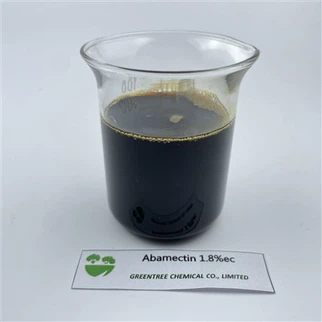
1. Biological pesticides: Biological pesticides are pesticides made from biologically active substances, with the advantages of low toxicity, low residue and environmental protection. Commonly used biological pesticides include Bacillus thuringiensis and avermectin, which have good control effects on cotton bollworms and have little impact on the environment and human health.
2. Chemical pesticides: Chemical pesticides are one of the main means of controlling cotton bollworms, with the advantages of fast insecticide speed and good effect. Commonly used chemical pesticides include trichlorfon, high-efficiency cypermethrin, indoxacarb, chlorfenapyr, and flonicamid. However, the use of chemical pesticides requires attention to reasonable dosage and usage methods to avoid adverse effects on the environment and human health.
3. Botanical pesticides: Botanical pesticides are pesticides made from active substances in plants, which have the advantages of being natural, environmentally friendly, and low in toxicity. Commonly used botanical pesticides include azadirachtin and rotenone, which have good control effects on cotton bollworms and are harmless to humans and animals.
Methods of using drugs for cotton bollworm control
1. Methods of using biological pesticides: Biological pesticides generally need to be sprayed during the peak period of cotton bollworm larvae hatching, and the amount per mu is configured according to the product instructions. When using, the agent needs to be sprayed evenly on the leaves and stems of the cotton plants to ensure that the agent can fully contact the cotton bollworm larvae.
2. Methods of using chemical pesticides: The use of chemical pesticides needs to be carried out according to the degree of damage and growth stage of cotton bollworms. Generally speaking, the peak period of cotton bollworm larvae hatching to before the larvae are the key periods for control. When using, the agent should be reasonably configured according to the product instructions to avoid excessive use. At the same time, when spraying, the agent should be sprayed on the leaves and stems of cotton plants as much as possible, especially the parts where cotton bollworm larvae are active.
3. Methods of using botanical pesticides: The method of using botanical pesticides is similar to that of biological pesticides and chemical pesticides. When using, the agent should be reasonably configured according to the product instructions and sprayed evenly on the leaves and stems of cotton plants. Since the active substances of botanical pesticides come from plants, care should be taken to avoid mixing them with other chemicals when using them, so as not to affect the efficacy of the medicine.
Precautions for the prevention and control of cotton bollworms
1. Reasonable selection of control drugs: When choosing control drugs, they should be reasonably selected according to the degree of harm, growth stage and control purpose of cotton bollworms. At the same time, attention should be paid to choosing low-toxic, low-residue and environmentally friendly drugs to avoid adverse effects on the environment and human health.
2. Reasonable use of drug dosage: When using control drugs, they should be configured and used strictly in accordance with the product instructions to avoid excessive use. Excessive use will not only increase the cost of control, but may also have adverse effects on the environment and human health.
3. Pay attention to the time of drug spraying: The time of drug spraying should be selected from the peak period of hatching of cotton bollworm larvae to before the 3rd instar of the larvae to ensure that the drug can fully contact the cotton bollworm larvae and play the best control effect.
4. Pay attention to the method of drug spraying: When spraying drugs, the drugs should be sprayed on the leaves and stems of cotton plants as much as possible, especially the parts where cotton bollworm larvae are active. At the same time, avoid spraying the pesticide directly on the buds of cotton to avoid adverse effects on cotton yield and quality.
5. Pay attention to drug residues: When using chemical pesticides, pay attention to drug residues. A sufficient safety interval should be taken before picking cotton to ensure that there is no excessive pesticide residue in the cotton.
Conclusion
Cotton bollworm is one of the important pests in cotton production and poses a serious threat to the growth and yield of cotton. In order to effectively control the harm of cotton bollworm, farmers need to understand and choose appropriate control drugs. This article introduces the selection of control drugs, usage methods and precautions for cotton bollworm control, hoping to provide useful reference and help for everyone. In the actual control process, we should choose appropriate control drugs and methods according to the degree of harm and growth stage of cotton bollworm, and pay attention to the rational use and safety of drugs. Only in this way can we effectively control the harm of cotton bollworm and ensure cotton yield and quality.