Triadimefon is a triazole fungicide with high efficiency, low toxicity, low residue, long lasting effect and good systemicity. It can be absorbed by various parts of the plant and then conducted in the plant body. It has the functions of preventing, eradicating and treating various diseases such as rust and powdery mildew. Because of its good therapeutic effect on diseases, it is widely used in production.
However, triadimefon also has a fatal disadvantage. Once the concentration of the agent is too high, it will cause pesticide damage, which will seriously inhibit the growth of crops, making many pesticide dealers and farmers love and fear it. Today, I will introduce a super formula of triadimefon, which not only expands the fungicide range and improves the efficacy, but also greatly reduces the side effects of triazole fungicides.
1. Formula introduction
This formula is 32% triadimefon·ethionin emulsifiable concentrate, which is a mixture of triadimefon and etionin. Triadimefon is the most widely used fungicide among triazole fungicides. It has the functions of preventing, treating and eradicating various diseases such as powdery mildew, rust and smut.
It has good systemic absorption and strong permeability and can be quickly absorbed by crops. It can quickly exert its fungicidal effect within 30 minutes. The disadvantage is that it is easy to cause phytotoxicity. Ethiocarb is an organic sulfur broad-spectrum fungicide with plant growth regulating effect. It has good prevention and control effects on various fungal and bacterial diseases. It can also promote germination, increase germination rate, increase yield and improve quality. The disadvantage is that the effective period is too short.
After the two are combined, the synergistic effect is very obvious. It has a strong prevention and control effect on various diseases caused by fungi and bacteria, and has three functions of protection, treatment and eradication.
2. Main features
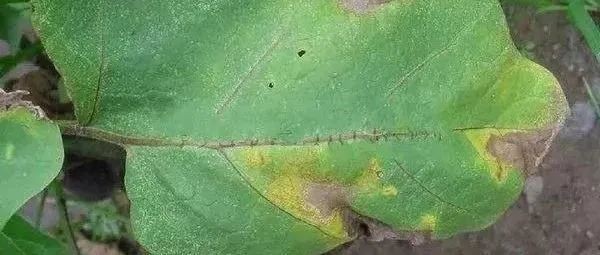
(1) Broad spectrum of fungicides: This formula has a good preventive and therapeutic effect on a variety of diseases caused by fungi and bacteria, such as powdery mildew, rust, sheath blight, smut, bunt, wilt, round spot, corn leaf spot, etc.
(2) Long lasting effect: This formula has strong permeability and systemic conductivity, can be quickly absorbed by the roots and stems of crops, and exist in the body for a long time, and has a long-term killing effect on diseases, and the lasting effect can generally reach more than 15 to 20 days.
(3) Good safety: The safety of this formula is greatly improved, overcoming the disadvantages of triadimefon being prone to phytotoxicity, and also overcoming the disadvantage of ethoxypropene being easy to burn.
(4) More thorough sterilization: After spraying, this agent can be quickly absorbed by the roots, stems, leaves and other parts of the plant, and transmitted to various parts of the plant, and has a good killing effect on pathogens inside and outside the plant, and the sterilization is more thorough.
(5) Good rapid effect: Because the agent has strong permeability and systemicity, it can quickly penetrate from the front of the leaf to the back of the leaf, and can also quickly transmit to various parts of the plant, quickly killing the bacteria. Generally, it can play a bactericidal role about 30 minutes after application.
3. Applicable crops
It can be widely used in crops such as wheat, corn, cotton, peanuts, soybeans, rice, tomatoes, peppers, watermelons, strawberries, Atractylodes macrocephala, ginseng, bananas, apples, grapes, pear trees, tea, water chestnuts, flowers, sesame, etc.
4. Targets of control
It is mainly used to control dozens of diseases such as powdery mildew, rust, anthracnose, ring rot, wilt, smut, round spot, corn spot, rice blast, bacterial leaf blight, seedling blight, rotten seedling disease, sheath blight, head blight, stripe disease, stinking smut, vine blight, cotton blight, wilt, gray mold, black spot, downy mildew, cabbage soft rot, ginger blast, bacterial wilt, and blight.
5. Usage
(1) To control powdery mildew, sheath blight, rice blast and other diseases on crops such as rice, wheat, and corn, it can be used in the early stage of the disease. 84-93 ml of 32% oxadiazine·ethyl allicin EC can be used per mu each time, and 30-50 kg of water can be added for even spraying, which can quickly control the continued harm and spread of the disease.
(2) For the prevention and control of wilt disease on crops such as cotton, watermelon, tomato, and pepper, it can be used before or in the early stage of the disease. Use 41.6-62.5 ml of 32% oxadiazine·ethyl allicin emulsifiable concentrate per mu each time, add 30-50 kg of water, spray evenly, and spray 2-3 times in a row to effectively control the continued development of wilt disease.