Azoxystrobin is widely used in agricultural production. We can understand its related functions and usage in advance, and we can deal with and deal with similar situations in the future.
Azoxystrobin is a commercialized variety of methoxy acrylates. The main products are 50%, 25% suspending agent and 50% water dispersible granules.
Azoxystrobin has other common features of similar agents, and like other agents, it is suitable for various diseases of cereal crops, vegetables, fruit trees, peanuts, potatoes, coffee, lawns, etc.
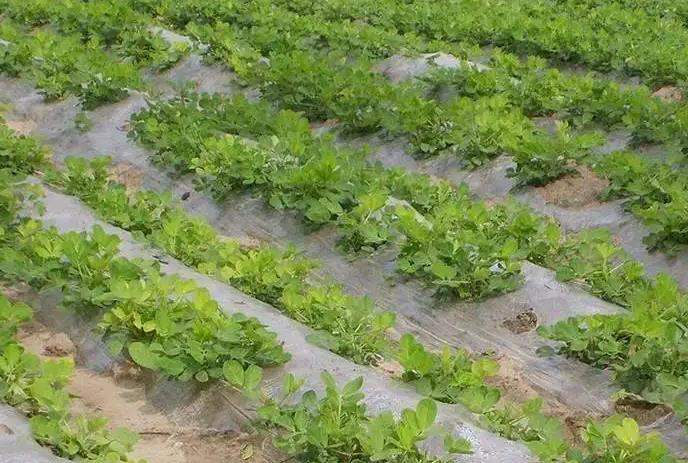
It has good protection, eradication, penetration and systemic activities, and is suitable for use in stem and leaf spray, seed treatment and soil treatment. The specific application amount can be based on different crops and diseases.
Under normal circumstances, 2.5-26 grams of active ingredients can be applied per mu, usually 6.5-23 grams.
25% suspending agent: 24-32 ml for tomato early blight, 10-20 ml for potato late blight, 32-48 ml for cucumber downy mildew and pepper anthracnose,
Routine spray on water; use 1000--2000 times of liquid for control of grape downy mildew, 1000--1500 times of liquid for banana leaf spot, and 1000--2500 times of liquid for control of cucumber powdery mildew (use high-concentration lasting period long, and low concentration has a short duration).
Spray 5000-7000 times liquid of 50% suspending agent for the control of weed poisonous powdery mildew, and spray 5000-7500 times liquid of 50% suspending agent for the control of apple tree spot leaf disease and ring leaf disease.
Azoxystrobin has a very good effect and effect on lychee downy mildew, anthracnose of mango and watermelon, fusarium wilt and brown spot of lawn.
Application method and time interval: The use of azoxystrobin is to start spraying at the early stage of the disease, with an interval of 7-10 days, and spray 2-3 times.