Sodium nitrophenolate is a broad-spectrum plant growth regulator that can be used on general crops. It can be used in any growth period and shows excellent results. After treatment, sodium nitrophenolate can quickly penetrate into the plant body, promote the flow of intracellular protoplasm, promote cell division and proliferation, and is beneficial to the synthesis of chlorophyll and protein. It can break seed dormancy, promote germination and rooting, promote flower bud formation, and early flowering. and fruit weight gain, preventing flower and fruit drop, etc.

For food crops such as rice, wheat, beans, and corn, oil crops such as rape and sesame, cotton, leafy vegetables, cruciferous vegetables, tomatoes, cucumbers, eggplants, watermelons, melons and other fruits, citrus, and apples , lychees, bananas, longans, mangoes, pineapples and other fruits can significantly increase crop yields, improve quality, and increase production and income.
Use technology
1. Break the dormant period
(1) Barley and wheat: Soaking the seeds in sodium nitrophenolate solution can break seed dormancy, promote germination and rooting, and make the buds thicker and the seedlings stronger. Before sowing wheat seeds, prepare 6000 times solution with 1.8% sodium nitrophenolate. After soaking the seeds for 12 hours, let them dry until semi-dry before sowing.
(2) Rice: Before sowing, soak 1kg of rice seeds in 1L of 1.8% sodium nitrophenolate solution 6000 times for 12-24 hours, then remove and drain, and then germinate and sow.
(3) Soybeans: Soak the seeds with 3 mg/L liquid for 3 hours, which has a good root-promoting effect. Cucumber: Soak the seeds with 3 mg/L liquid for 12 hours to make the seeds germinate quickly, develop root systems, strengthen the seedlings, and improve disease resistance.
2. Adjust the ratio of male and female flowers to preserve flowers and fruits and increase fruit weight
(1) Citrus: Tested on 12-year-old ordinary Wenzhou mandarins, the fruit setting rate was 28.67% higher than the control, higher than phytobiotics and fruit setting spirit. Spray 1.4% sodium nitrophenolate 5000 times solution 14 days after the citrus flowers fade. Liquid, spray once every 7-10 days, and then spray once every 30 days.
(2) Apple: Spray 6 mg/L sodium nitrophenolate solution once each 20 days before flowering, before flower fall, at the young fruit stage, and at the fruit expansion stage to increase production and improve apple quality. Specifically, the nitrogen content in apple leaves increased by 1.6%, phosphorus increased by 0.3%-19.5%, and amino acids increased by 0.9%-3.9%; various nutrients in the fruit were improved, with potassium 6.0%-66.5% and calcium 5.0%. ~83.0%, 2.2 times of phosphorus, 1.6 times of protein, 41.4%-130.4% of amino acids (of which aspartic acid is increased by 1.6-4.7 times, proline is increased by 1.5-3.2 times), vitamin C is 5.8%-11.8%, and it also uses The fruit hardness is greatly increased, extending the storage period and supply and marketing period.
(3) Pear: Tests show that after applying 1.8% sodium nitrophenolate 5000 times, the fruit setting rate increases by 6% to 25.53%, the yield increases by 18% to 21.5%, the single fruit weight increases by 15.69%, and the soluble solids increase by 0.85% to 1.1 %.
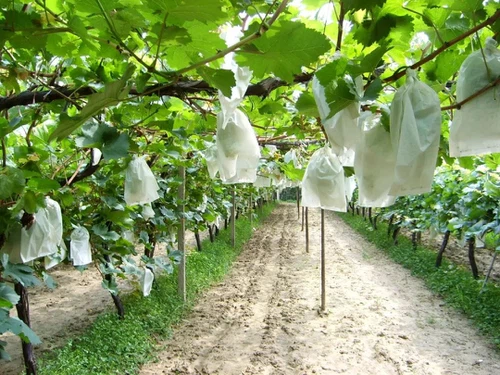
(4) Grapes: Applying sodium nitrophenolate can increase the fruit setting rate, and the effect is very outstanding. For example, spraying 1.8% sodium nitrophenolate solution 5000 times once 7 days before and after flowering on grapes can increase the fruit setting rate by 78.97%. If 6000 times the solution is used and 0.2% borax is added, the fruit setting rate can be increased by 80.9%. Using 4000 times the solution of 1.8% sodium nitrophenolate and adding 0.3% borax can increase the fruit setting rate by 84.69%.
(5) Lychee: Spraying 1.8% sodium nitrophenolate 3000 times before and after flowering can increase soluble solids, increase yield, and improve lychee quality.
(6) Tomato: Use 1.8% sodium nitrophenolate 4000 times once in the seedling stage, flowering stage and young fruit formation stage to increase the plant height, significantly increase the fruit setting rate and effectively increase the yield.
(7) Cucumber: Use 1.8% sodium nitrophenolate 6000 times to spray once each in the young fruit stage, the early flowering stage and the early fruit stage. It can increase the number of female flowers, improve the melon setting rate, reduce the melon turning rate, and increase the yield significantly. It can harvest cucumbers early, with straight strips, bright green color, sweet and refreshing taste, and improve product quality.
(8) Watermelon: Spray 1.8% sodium nitrophenolate 6000 times once each at the seedling stage, spreading stage, flowering stage and fruiting stage to enhance the growth vitality of the melon seedlings, reduce the number of fusarium wilt diseased plants, and increase the melon setting rate. , single melons gain weight, increase yield and sugar content.
(9) Winter jujube: Spray 1.8% sodium nitrophenolate 6000 times once each during the flowering stage, young fruit stage, expansion stage and white ripening stage to increase the fruit setting rate and high yield.
3. Promote the nutritional growth of crops, increase the quantity and improve the quality of agricultural products
(1) Rice: Use sodium nitrophenolate before transplanting seedlings and in the field period. It promotes the rapid recovery of rice growth ability, improves uniformity and seed setting rate, and generally increases yield by 12% -22%. 4~ before transplanting seedlings in rice fields. Spray once every 5 days, once each at the booting stage and full heading stage. The concentration used is 500-600 times of 1.8% sodium nitrophenolate aqueous solution. It is appropriate to spray 50 times of solution per mu each time.
(2) Barley and wheat: Spray 1.8% sodium nitrophenolate 3000 times once at the seedling stage, jointing stage and filling stage, which can significantly increase the thousand-grain weight. Increase production and improve quality.
(3) Sorghum: Spray 1.8% sodium nitrophenolate 4,000 to 6,000 times on the leaves before heading and during the flowering stage, 50 kg per mu each time, which can improve quality and increase yield.
(4) Soybeans: Spray 1.8% sodium nitrophenate 4000 times once in the flower bud formation stage, early pod setting stage and young pod stage to increase the 100-seed weight of soybeans, increase the yield, and at the same time improve the quality of soybeans. Crude protein and crude fat content increased significantly.
(5) Green beans: Tests show that spraying 1.4% sodium nitrophenolate with 5000 times solution and 6000 times solution can increase the yield by 27.36% and 25.9% respectively, and at the same time, the harvest period can be advanced by 8-10 days. During the seedling stage and first flowering stage of green beans, use 1.4% sodium nitrophenolate solution 5000-6000 times, spray 40-50kg per acre, spray once every 7-19 days, and spray 3-4 times in total. The optimal concentration of 1.8% sodium nitrophenolate is 5000-6000 times the solution; if the concentration exceeds 3000 times the solution, it will have an inhibitory effect on the plants; if the concentration is less than 9000 times the solution, the effect will not be significant. The most suitable application period for green beans is the first flowering period. Application at this time is beneficial to preserving flowers and increasing pods. If applied too early or too late, the effect will not be as significant as during the first flowering period.
(6) Tea tree: Spraying sodium nitrophenolate showed a variety of physiological effects: first, the spacing between buds and leaves was elongated, and the bud weight increased. It was measured that the bud weight increased by 9.4% compared with the control; second, the germination of adventitious buds was stimulated. The germination density increased by 13.7%; thirdly, the chlorophyll content was increased, the photosynthetic capacity was improved, and the leaf color became greener. According to the average of the two-year experiment, spring tea production increased by 25.8%, summer tea production increased by 34.5%, and autumn tea production increased by 26.6%, with an average annual production increase of 29.7%. The commonly used dilution factor in tea gardens is 5000 times, with 12.5 mL of medicinal solution added to 50 kg of water for spraying per 667 acres. In each season, ridges are formed before tea buds germinate, which can promote the early emergence of axillary buds. However, it has more economic value when used in the early stage of spring tea, that is, spraying one bud and one leaf during the initial development period. The tea leaves have strong absorption capacity and the yield increase effect is obvious. Spring tea is generally sprayed about twice. Summer and autumn tea can be combined with pest control and pesticides. Spray evenly on the front and back of the leaves. It is appropriate to wet but not drip, to achieve the two effects of controlling pests and promoting growth.
(7) Cotton: Spraying sodium nitrophenolate once each in the early stage, flowering stage and peach expansion stage can significantly increase the fruit setting rate and increase the yield. Tests have shown that the yield of seed cotton can be increased by 29.3% and that of lint cotton by 20.2%.
(8) Rapeseed: Spraying 1.4% sodium nitrophenolate 5000 times once in the greening stage, early flowering stage and final flowering stage can significantly increase the effective angle number, increase the thousand-grain weight and increase the yield.
(9) Tobacco: Spray 1.8% sodium nitrophenolate solution 12,000 times twice on the leaves of the whole plant at 10-day intervals during the mass growth stage. This will significantly increase the yield, increase the proportion of high-quality tobacco, and significantly increase the output value.
(10) Sugarcane: Spray 1.8% sodium nitrophenolate 3500 times once in the seedling stage, tillering stage and elongation stage to increase tillering, which can promote early maturity, increase yield and increase sugar content.
(11) Peanuts: Spray 1.8% sodium nitrophenolate 3000 times at the 4th, 8th, and 12th leaf stages of the main stem of peanuts. The leaves are dark green, which can reduce leaf spot disease, increase the number of fruits, and increase the number of pods and pods. The seed kernels are heavier, especially the number of full fruits increases, which increases the rate of full fruits and has a significant effect on increasing yield.
(12) Beet: Spray twice with 1.8% sodium nitrophenolate 6000 times during the growth period to increase the plant weight, root weight and sugar content of sugar beet.
(13) Shiitake mushrooms: Use 1.8% sodium nitrophenolate 6000 times to spray once each during the tide change period and the seed body formation period. The yield increase effect is significant, and the harvest period of shiitake mushrooms can be extended and the quality can be improved.
Similar products of sodium nitrophenate include potassium nitrophenate and ammonium nitrophenate. The difference between them and sodium nitrophenate is that the ions connected to the hydroxyl group on the benzene ring are different, and the physical properties are slightly different. The chemical properties and biological activities are roughly the same. The application in agricultural production is roughly the same. Since the physical properties of sodium nitrophenolate compound are more stable, sodium nitrophenolate compound is used in most agricultural production.
Things to note
(1) If the concentration is too high, it will inhibit crop sprouts and growth.
(2) Spraying should be even. For plants with a lot of wax, add an appropriate amount of spreading agent before spraying.
(3) It can be mixed with pesticides and fertilizers for better results.
(4) Stop using tobacco leaves 30 days before harvest.
(5) Store in a cool place.