Cucumber powdery mildew(Erysiphe cichoracearum) is one of the common diseases in cucumber cultivation. Cucumber powdery mildew can occur from seedling stage to adult plant stage, and it mainly damages leaves, followed by petioles and stems, and rarely damages fruits. In the early stage of the disease, white near-circular mildew spots appeared on the front and back of the leaves. In the later stage, the area of the lesions continued to expand, often connecting into one piece, and the edge boundaries were not obvious. When the disease is serious, the entire leaf surface turns chlorotic and is covered with white powder, which mainly hinders the photosynthesis of the leaves and has a serious impact on the later growth of cucumbers, resulting in reduced yield and quality of cucumbers.
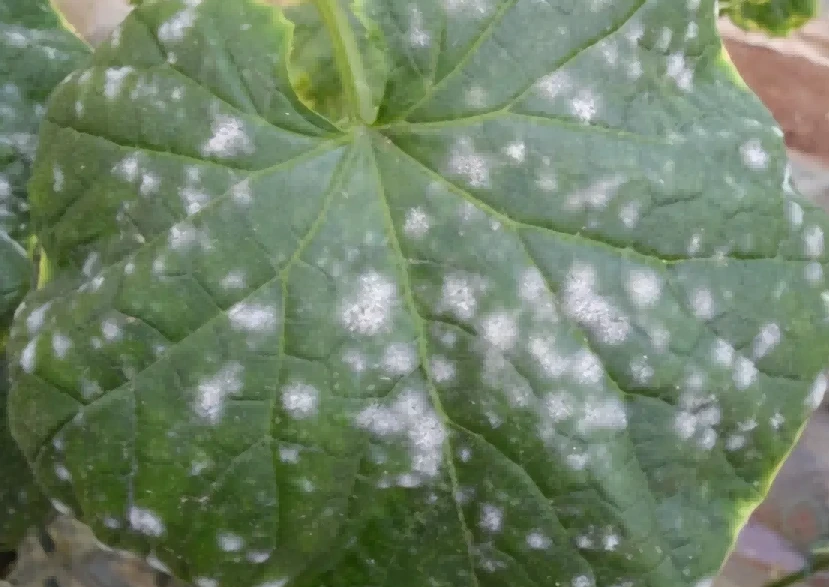
Table 1 Test drug information and experimental design
| Treatment method | Drug name | Dosage/(g·hm-2) |
| T1 | 250 g/L Azoxystrobin SC | 900 |
| T2 | 250 g/L Pyraclostrobine EC | 600 |
| T3 | 50% Kresoxim-methyl WG | 300 |
| T4 | 10% Difenoconazole WG | 1 200 |
| T5 | 430 g/L Tebuconazole SC | 270 |
| T6 | 43% Fluopyram·Trioxystrobin SC | 225 |
| T7 | 8 billion CFU/mL Bacillus subtilis SC | 9 000 |
| CK | clear water | / |
Table 2 Grading methods and grading standards
| Grade | Grading Standard | Grade | Grading Standard |
| Grade 0 | No disease spots | Grade5 | The disease spots account for 11% to 20% of the entire leaf area |
| Grade1 | The lesion area accounts for less than 5% of the entire leaf area | Grade7 | The lesion area accounts for 21% to 40% of the entire leaf area. |
| Grade3 | The lesion area accounts for 6% to 10% of the entire leaf area | Grade9 | The lesion area accounts for more than 40% of the entire leaf area |
Table 3 Control effects of different fungicides on cucumber powdery mildew
| Treatment method | 7 days after the first dose | 7 days after the second dose | ||
| disease index | Control effect/% | disease index | Control effect/% | |
| T1 | 7 | 72.3 c | 7.5 | 75.7 cd |
| T2 | 7.4 | 71.1 c | 8.1 | 73.7 cde |
| T3 | 7.5 | 70.3 cd | 8.5 | 72.4 de |
| T4 | 6.1 | 75.4 bc | 6.8 | 78.1 bc |
| T5 | 5.4 | 78.6 ab | 5.6 | 81.6 b |
| T6 | 4.2 | 83.4 a | 3.5 | 88.5 a |
| T7 | 8.7 | 65.4 d | 9.2 | 70.4 e |
| CK | 25.3 | / | 30.9 | / |
Summary and discussion
The results of the field efficacy test showed that the seven fungicides had certain control effects on cucumber powdery mildew. 10% Difenoconazole WG, 250 g/L Azoxystrobin SC, 250 g/L Pyraclostrobin EC, 50% Kresoxim-methyl WG, and 8 billion CFU/mL Bacillus subtilis SC. In general, the compound agent 43% Fluorobacterial · Trichostrobin SC had the best control effect, triazole and methoxyacrylate fungicides ranked second and third in control effect, and biological fungicides ranked second and third respectively. The worst effect.