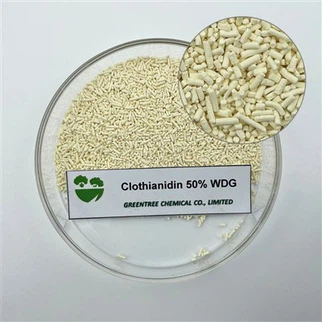
Prevention and control of various pests and diseases has always been the most important task for people to achieve high yields and harvests. With the efforts of scientists, new pesticide varieties have been continuously introduced to the market, which has made great contributions to the effective control of pests and diseases, especially the introduction of azoxystrobin, which has All fungal diseases are well prevented, treated and eradicated, ushering in a new era of fungicides.
However, due to years of use, the resistance of bacteria has become stronger and stronger, and the control effect is greatly reduced. Today I would like to recommend a new fungicide---Trifloxystrobi, which has better disease control effect than azoxystrobin.n

1 Introduction
Trifloxystrobi is effective against almost all fungi (Ascomycetes, Basidiomycetes, Oomycetes and Deuteromycetes) diseases such as powdery mildew, rust, blight, net spot, downy mildew, rice blast, etc. good activity. In addition to having special effects on powdery mildew and leaf spot, it has good activity on rust, downy mildew, blight, apple black, and rape sclerotinia.
2. Main features
(1) Wide bactericidal spectrum:
Trifloxystrobi has a good control effect on almost all fungal diseases, especially for powdery mildew, anthracnose, leaf spot, rust, downy mildew, rice blast and other diseases.
(2) Thorough treatment of diseases:
Trioxystrobin has strong permeability and good systemic absorption, and has a good killing effect on germs on the surface and inside of crops. It has various functions such as prevention, protection, treatment and eradication. more thoroughly.
(3) Good compatibility:
Trioxystrobin is a methoxyacrylate fungicide, which also has a good mixing effect. It can be mixed with tebuconazole, propiconazole, amino oligosaccharide, prochloraz, Dozens of insecticides and fungicides are mixed with copper, thifuramide, difenoconazole, and cyanamide, and the synergistic effect is very obvious. Especially the compounding with tebuconazole has become the best formula for compounded fungicides. It has been registered and produced by hundreds of companies in many countries in the world and is widely used in production.
(4) No cross-resistance:
Trichostrobin has no cross-resistance with existing fungicides. For diseases that have developed resistance to other drugs, the use of Trifloxystrobi has outstanding control effects.
(5) Long-lasting effect:
Trioxystrobin not only has strong permeability, but also has good systemic conductivity. The agent can penetrate into the cell through the leaves and be transmitted to various parts of the plant. It exists for a long time and has a continuous control effect on the disease. The validity period can reach more than 15 days.
(6) High efficiency and low toxicity:
Trioxystrobin is a kind of high efficiency and low toxicity fungicide. In addition to its high toxicity to aquatic organisms, it has low toxicity to birds, bees, silkworms and earthworms, and has little environmental pollution.
3. Applicable crops
Trioxystrobin is safe and can be widely used in wheat, corn, peanut, soybean, tomato, pepper, eggplant, cucumber, watermelon, melon, pumpkin, cabbage, cabbage, cauliflower, apple, pear, walnut, grape, kiwi , jujube, lychee, longan, mango and other crops.
4. Prevention and treatment objects
Trioxystrobin can be used to control downy mildew, powdery mildew, leaf spot, anthracnose, brown spot, black pox, blight, early blight, late blight, rice blast, rust, vine blight, blight, net Almost all fungal diseases such as spot, scab, etc.
5. Use technology
(1) For the control of cucumber powdery mildew, in the early stage of the disease, 25-37.5 ml/mu of 30% oxime tebuconazole suspension agent can be used, and 30-40 kg of water can be used to spray evenly, which can quickly control the spread of the disease, and has eradication effect.
(2) To prevent and control watermelon anthracnose, in the early stage of the disease, 15-25 g/mu of 50% benzyl Trifloxystrobi water-dispersible granules and 30 kg of water can be used to spray evenly, which can effectively control the continued harm of the disease.
(3) For the control of leaf mold, anthracnose, vine blight and other diseases of vegetables such as tomatoes, cucumbers, watermelons, peppers, etc., 15-25 ml/mu of 43% fluobacterial Trifloxystrobi suspending agent can be used, and 30-40 kg of water can be used Even spraying can quickly control the development of the above diseases, increase vegetable yield and improve vegetable quality.
(4) To prevent and control the blight of green onion and garlic, in the early stage of the disease, 15-20 g/mu of 75% oxime bacteria and cyanamide water dispersible granules can be sprayed evenly with 30-40 kg of water, which can quickly control the continued spread of the disease. and hazards.
special reminder
Trioxystrobin is also a methoxyacrylate fungicide, which has a relatively single site of action on bacteria. In order to avoid drug resistance, it should be mixed with other drugs as much as possible, which not only has a broad bactericidal spectrum, but also delays the drug resistance of bacteria.