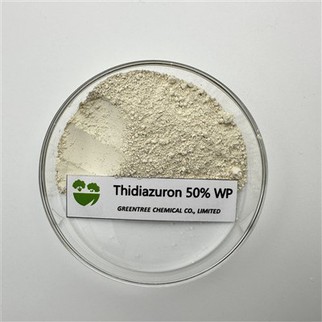
Thiacloprid agent: can effectively control longhorn beetles

Longhorn beetles, a general term for insects of the Polyphagous suborder Cerambycidae, have more than 20,000 species worldwide, widely distributed on a variety of forest fruit trees such as pine, cypress, willow, elm, walnut, citrus, apple, peach and tea. Because its larvae often hide inside the forest, prevention and control work is particularly difficult. However, there is now a drug for controlling longhorn beetles, which provides an effective solution to this problem with its excellent effect and a lasting effect of more than 90 days.
Next, let us take a deeper look at the harmful characteristics of longhorn beetles. The life cycle of longhorn beetles includes four stages: eggs, larvae, pupae and adults. The larval stage is the most serious period of damage. They eat inside the trees and destroy the structure of the trees. Adults mainly feed on bark and mate and lay eggs many times, further exacerbating the damage. The feeding path of longhorn beetle larvae is complex. They will first bore upwards for a distance, then turn around and go down deep into the pith. Every time they bore a distance, they will bore out a fecal hole. As the larvae grow, the distance between these fecal holes will gradually increase, which may eventually cause serious damage to the tree.
This agent is called thiacloprid, which is a new type of nicotinoid insecticide. It has excellent contact and stomach poisoning functions, and also has strong systemic conductivity. Thiacloprid mainly acts on the nervous system of pests, interfering with their normal conduction, causing blockage of nerve channels, and then leading to a large accumulation of acetylcholine in the pests. This process will cause the insects to show symptoms of abnormal excitement, and eventually die from whole-body spasms and paralysis. Among the existing control methods, thiacloprid has been proven to be the best choice for longhorn beetle control.
Main features
(1) Broad insecticide spectrum: Thiacloprid can effectively control a variety of pests, including piercing-sucking pests and chewing pests. It not only has an excellent killing effect on longhorn beetles, but can also be used to control greenhouse whiteflies, whiteflies, aphids, thrips, planthoppers and other pests.
(2) Good systemicity: Thiacloprid has excellent systemic conductivity. After spraying, the agent can be fully absorbed by the leaves and quickly transmitted to various parts of the plant body, thereby achieving the purpose of killing pests.
(3) Strong rapid effect: Thiacloprid mainly acts on the nervous system of pests, making the pests in a state of continuous excitement. Once the pests come into contact with the agent, they can be quickly killed within a few minutes.
(4) Long lasting effect: After being absorbed by plants, Thiacloprid can remain in the plant body for a long time and continue to play a role in killing pests.
(5) Environmentally friendly: Compared with other neonicotinoid insecticides, Thiacloprid is less toxic to aquatic animals such as bees and fish, and is safer for the environment and water sources.
Applicable crops
Thiamethoxam is widely used in a variety of forest trees, fruit trees and ornamental trees to control longhorn beetles. Including pine, cypress, willow, poplar, mulberry, elm, apple, pear, peach, walnut and citrus, all of these crops may be harmed by longhorn beetles.
Control targets
Star longhorn beetles, mulberry longhorn beetles, pine brown longhorn beetles, light-shouldered star longhorn beetles, peach red neck longhorn beetles, white-ribbed longhorn beetles, red-margined longhorn beetles, cloud-spotted white-striped longhorn beetles, bamboo-margined tiger longhorn beetles and deep mountain longhorn beetles, etc., are all the main control targets of thiamethoxam. This insecticide can effectively control the damage of these longhorn beetles and protect the healthy growth of crops.