As a supplier of herbicides, I often find myself in discussions about the environmental impact of these chemicals. It's a topic that stirs up a lot of emotions and concerns, and rightfully so. Our environment is precious, and we all have a responsibility to protect it. In this blog post, I aim to delve into the question: Are herbicides harmful to the environment? By examining the science, weighing the pros and cons, and exploring the latest research, I hope to provide a balanced and informed perspective.
Let's first understand what herbicides are and why they are used. Herbicides are chemicals designed to control or eliminate unwanted plants, commonly referred to as weeds. They play a crucial role in modern agriculture, horticulture, and land management. By controlling weeds, herbicides help to increase crop yields, reduce competition for resources, and improve the overall quality of agricultural products. They are also used in non - agricultural settings, such as parks, golf courses, and along roadsides, to maintain aesthetic appeal and prevent the growth of invasive plant species.
One of the main concerns regarding herbicides is their potential to contaminate water sources. When herbicides are applied to fields, they can be carried by rainwater or irrigation runoff into nearby rivers, lakes, and groundwater. This can have a negative impact on aquatic ecosystems. Some herbicides can be toxic to fish, amphibians, and other aquatic organisms, affecting their growth, reproduction, and survival. For example, certain herbicides may disrupt the hormonal balance of fish, leading to abnormal development and reduced fertility.
However, the degree of water contamination depends on several factors. The type of herbicide used, the application rate, the timing of application, and the environmental conditions all play a role. Modern herbicides are designed to be more selective and less persistent in the environment. They are formulated to break down more quickly, reducing the risk of long - term contamination. Additionally, proper application techniques, such as using precision spraying equipment and following recommended application rates, can significantly reduce the amount of herbicide that enters water bodies.
Another environmental concern is the impact of herbicides on non - target plants and wildlife. Some herbicides, especially non - selective ones, can kill or damage plants other than the targeted weeds. This can have a cascading effect on the ecosystem. For instance, if a herbicide kills off native plants that provide food and habitat for wildlife, it can disrupt the food chain and lead to a decline in wildlife populations.
On the other hand, the use of herbicides can also have positive environmental impacts. By controlling invasive plant species, herbicides can help to protect native ecosystems. Invasive plants often outcompete native plants for resources, such as water, sunlight, and nutrients, and can cause significant ecological damage. Herbicides can be an effective tool in managing these invasive species and restoring the balance of native ecosystems.
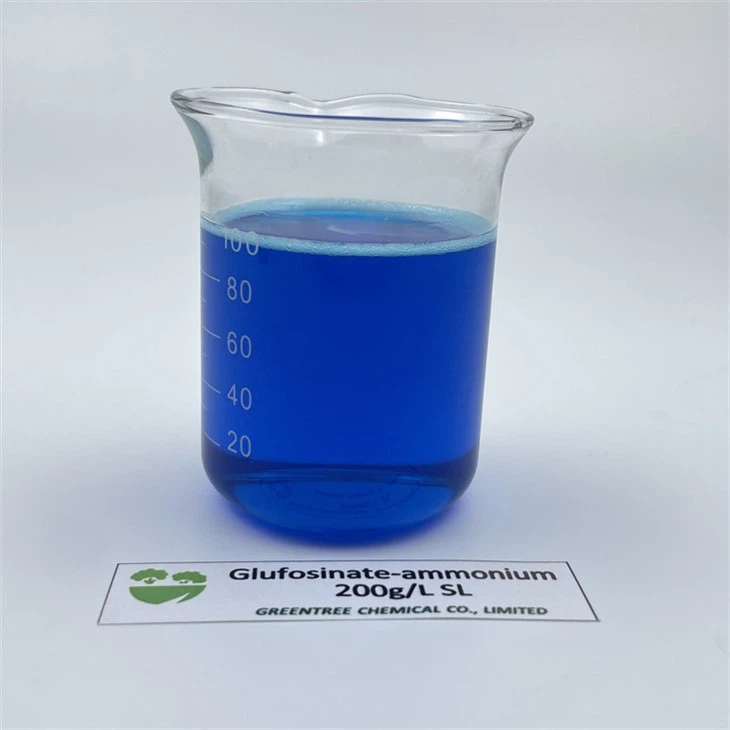
Let's take a look at some of the herbicides we supply. The Herbicide Mcpa Sodium 56% Sp Chemicals Weedicide is a selective herbicide that is widely used to control broad - leaf weeds in cereal crops. It is formulated to be effective against a specific range of weeds while minimizing damage to the crop. The CAS NO. 77182 - 82 - 2 Glufosinate Ammonium 200 G/l SL Herbicide and CAS 77182 - 82 - 2 Glufosinate - Ammonium 200G/L SL Non - Selective Herbicide are also popular choices. Glufosinate ammonium is a fast - acting herbicide that is effective against a wide range of weeds. It has a relatively short half - life in the environment, which means it breaks down quickly and reduces the risk of long - term environmental contamination.
The development of herbicide - resistant crops has also changed the landscape of herbicide use. These crops are genetically engineered to be resistant to specific herbicides, allowing farmers to use these herbicides more effectively to control weeds. This can lead to a reduction in the overall amount of herbicide used, as well as the use of more environmentally friendly herbicides. However, there are also concerns about the potential for the development of herbicide - resistant weeds, which could lead to an increase in herbicide use in the long run.

To minimize the environmental impact of herbicides, it is essential to follow best management practices. This includes proper storage, handling, and disposal of herbicides. Farmers and land managers should also be trained in the correct application techniques to ensure that herbicides are used efficiently and effectively. Additionally, alternative weed control methods, such as mechanical cultivation, mulching, and biological control, should be considered as part of an integrated weed management strategy.
In conclusion, the question of whether herbicides are harmful to the environment is not a simple one. While herbicides do have the potential to cause environmental harm, when used properly, they can also play an important role in protecting the environment and ensuring food security. As a herbicide supplier, we are committed to providing high - quality products that are designed to minimize environmental impact. We also offer training and support to our customers to help them use herbicides in a responsible and sustainable manner.
If you are interested in learning more about our herbicide products, or if you have any questions about herbicide use and environmental protection, we encourage you to contact us for a purchasing discussion. Our team of experts is ready to assist you in making the best choices for your specific needs.
References
- Duke, S. O., & Powles, S. B. (2008). Current status and environmental impacts of glyphosate - resistant crops. Environmental Sciences Europe, 20(1), 24.
- Giesy, J. P., Dobson, S., & Solomon, K. R. (2000). Ecotoxicological effects of the herbicide atrazine on aquatic ecosystems. Human and Ecological Risk Assessment: An International Journal, 6(6), 1247 - 1270.
- Shaner, D. L. (2014). Herbicides and plant physiology. John Wiley & Sons.