Hey there! As a CPPU supplier, I often get asked about the chemical name of CPPU. So, let's dive right into it.


CPPU stands for N-(2-chloro-4-pyridyl)-N'-phenylurea. It's a synthetic plant growth regulator that belongs to the cytokinin family. Cytokinins are a class of plant hormones that play a crucial role in various plant growth processes, such as cell division, shoot and root development, and fruit set.
The chemical structure of CPPU consists of a pyridine ring with a chlorine atom at the 2-position, connected to a phenylurea group. This unique structure gives CPPU its potent biological activity, making it an effective tool for enhancing plant growth and development.
One of the key benefits of CPPU is its ability to promote fruit growth and development. By applying CPPU to plants, we can increase the size, weight, and quality of fruits. This is particularly useful in the agricultural industry, where farmers are constantly looking for ways to improve their crop yields and quality.
For example, in the grape industry, CPPU is commonly used to increase the size of grape berries. By spraying CPPU on grape vines during the early stages of fruit development, we can stimulate cell division and expansion, resulting in larger and more uniform grapes. This not only improves the appearance of the grapes but also enhances their marketability and value.
In addition to its effects on fruit growth, CPPU also has other beneficial effects on plant growth and development. It can promote shoot and root growth, increase the number of flowers and fruits, and improve the overall health and vigor of plants. These effects make CPPU a valuable tool for plant breeders, horticulturists, and farmers who are looking to improve the productivity and quality of their crops.
Now, let's talk about the different forms of CPPU that are available on the market. As a supplier, we offer a variety of CPPU products, including soluble powders, plant hormones, and organic fertilizers.
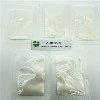
One of our popular products is the C12H10CLN3O Cppu 2% Sp Soluble Powder Plant Growth Regulator For Fruit. This soluble powder contains 2% CPPU and is designed to be easily dissolved in water for convenient application. It can be used on a wide range of fruits, including grapes, kiwifruit, and strawberries, to promote fruit growth and development.
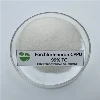
Another product we offer is the Forchlorfenuron Cppu 2% Sp Plant Hormone Improve The Amino Acid Content. This plant hormone contains 2% CPPU and is formulated to improve the amino acid content of fruits. By increasing the amino acid content, we can enhance the nutritional value and flavor of fruits, making them more appealing to consumers.
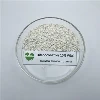
We also offer a Forchlorfenuron KT-30 Cppu Organic Fertilizer 99% Promote Plant Growth. This organic fertilizer contains 99% CPPU and is designed to promote plant growth and development. It can be used on a wide range of crops, including vegetables, fruits, and flowers, to improve their yield and quality.
When using CPPU, it's important to follow the recommended dosage and application methods. Overuse of CPPU can lead to negative effects on plant growth and development, such as excessive vegetative growth, reduced fruit quality, and increased susceptibility to diseases and pests. Therefore, it's always a good idea to consult with a professional or follow the instructions provided by the manufacturer.
In conclusion, CPPU is a powerful plant growth regulator with a wide range of applications in the agricultural industry. Its chemical name, N-(2-chloro-4-pyridyl)-N'-phenylurea, reflects its unique structure and biological activity. As a CPPU supplier, we offer a variety of high-quality CPPU products that can help farmers and horticulturists improve the productivity and quality of their crops.
If you're interested in learning more about our CPPU products or have any questions, please don't hesitate to contact us. We'd be happy to discuss your specific needs and provide you with the best solutions for your agricultural operations. Let's work together to achieve better yields and higher-quality crops!
References:
- Plant Growth Regulators: Principles and Applications, by R. P. Pharis and S. B. Rood
- Cytokinins: Chemistry, Activity, and Function, by L. S. Melitz and J. A. D. Zeevaart