Are there any insecticides for mealybugs?
Hey there! As an insecticides supplier, I get this question a lot: Are there any insecticides for mealybugs? Well, the short answer is yes, and I'm here to break it down for you.
Mealybugs are a real pain in the you - know - what for gardeners and farmers alike. These little critters are small, soft - bodied insects that are covered in a white, waxy substance. They love to suck the sap out of plants, which can cause stunted growth, yellowing leaves, and even plant death in severe cases. So, finding an effective insecticide is crucial.
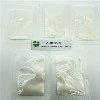
Let's first talk about some of the common insecticides that work well against mealybugs. One of the great options is dinotefuran. CAS No. 165252 - 70 - 0 Agricultural Chemicals Insecticide Dinotefuran 98% Technical is a powerful insecticide that belongs to the neonicotinoid class. It works by attacking the nervous system of the mealybugs. Once the mealybugs come into contact with dinotefuran or ingest it while feeding on the plant, it disrupts their normal nerve function, leading to paralysis and eventually death.
Dinotefuran has a few advantages. It has a relatively fast - acting nature, which means you can start seeing results quickly after application. It also has good systemic properties, which means it can be absorbed by the plant and distributed throughout its tissues. This is great because it ensures that even the mealybugs hiding in hard - to - reach places on the plant will be affected.
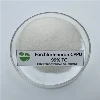
Another insecticide that's worth considering is clothianidin. C6H8ClN5O2S Clothianidin 97% TC Agricultural Chemicals Insecticide is also a neonicotinoid. Similar to dinotefuran, it targets the insect's nervous system. Clothianidin is highly effective against mealybugs, especially when used in the right concentration. It can be applied as a soil drench, which allows the plant to take it up through the roots and then spread it throughout the plant. This method is particularly useful for potted plants or in situations where the mealybug infestation is widespread.
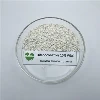
Now, let's move on to pyriproxyfen. CAS NO. 95737 - 68 - 1 Pyriproxyfen Insecticide 97 97% Tc in China is an insect growth regulator. Instead of killing the mealybugs directly, it disrupts their growth and development. Pyriproxyfen affects the mealybug's ability to molt properly. When the mealybugs try to shed their exoskeletons, they can't do it correctly, which leads to their death. This is a great option for long - term control of mealybug populations because it can prevent new generations from developing.
When using these insecticides, there are a few things to keep in mind. First of all, always follow the instructions on the label. The label will tell you the correct dosage, the application method, and any safety precautions you need to take. For example, some insecticides may require you to wear protective clothing, like gloves and a mask, during application.
Secondly, it's a good idea to test the insecticide on a small area of the plant first. This will help you make sure that the plant doesn't have an adverse reaction to the insecticide. Some plants may be more sensitive than others, and you don't want to end up causing more harm than good.
Timing is also crucial. It's best to apply the insecticide when the mealybug population is at its most vulnerable. For many mealybug species, this is during the crawler stage, which is when the young mealybugs are actively moving around and looking for a place to settle on the plant.


In addition to chemical insecticides, there are also some non - chemical methods you can use in combination. For example, you can use a strong stream of water to wash the mealybugs off the plant. This is a simple and effective way to reduce the population, especially in the early stages of an infestation. You can also introduce natural predators, like ladybugs or lacewings, which feed on mealybugs.
However, in cases where the infestation is severe, chemical insecticides are often the most reliable option. As an insecticides supplier, I've seen firsthand how these products can make a huge difference in controlling mealybug problems.
If you're dealing with a mealybug infestation and are looking for an effective solution, the insecticides I've mentioned above are great choices. They're all proven to work against mealybugs and can help you get your plants back to health.
If you're interested in purchasing any of these insecticides or have more questions about mealybug control, feel free to reach out. We're here to help you find the right product for your specific needs.
References
- Integrated Pest Management for Mealybugs. University Extension Service.
- Insecticide Efficacy Studies on Mealybug Populations. Journal of Agricultural Entomology.