

What is the solubility of CPPU in water?
As a supplier of CPPU, I often get asked about the solubility of this important plant growth regulator in water. Understanding the solubility of CPPU is crucial for its proper application in agriculture and horticulture. In this blog post, I will delve into the details of CPPU's solubility in water, its significance, and how it relates to its use in the plant growth industry.
What is CPPU?
CPPU, or Forchlorfenuron, is a synthetic cytokinin plant growth regulator. It plays a vital role in promoting cell division, increasing fruit set, and improving fruit quality. With its ability to enhance the size, shape, and overall yield of fruits, CPPU has become a popular choice among farmers and growers. You can find high - quality CPPU products on our website Plant Hormone Forchlorfenuron Cppu 99 Tc for Increasing The Set of Fruit.
Solubility of CPPU in Water
The solubility of CPPU in water is relatively low. At room temperature (around 20 - 25°C), the solubility of CPPU in water is approximately 29 mg/L. This low solubility is due to its chemical structure. CPPU has a relatively large and complex molecular structure with non - polar regions, which makes it less likely to dissolve in the polar water molecules.
The low solubility of CPPU in water has both advantages and disadvantages. On the one hand, it means that CPPU can remain stable in the environment for a relatively long time once applied. It won't be easily washed away by rain or irrigation water, ensuring a more sustained effect on plant growth. On the other hand, the low solubility can pose challenges when it comes to formulating and applying CPPU.
Formulation and Application Challenges
When using CPPU, it is often necessary to prepare solutions for spraying or dipping applications. Due to its low water solubility, special formulation techniques are required. One common approach is to use solvents or surfactants to increase the solubility of CPPU in water. For example, organic solvents such as ethanol or acetone can be used to dissolve CPPU first, and then the solution can be diluted with water to the desired concentration. Surfactants can also be added to reduce the surface tension between CPPU and water, helping CPPU to disperse more evenly in the water.
It is important to note that when formulating CPPU solutions, strict safety and environmental regulations must be followed. The use of solvents and surfactants should be carefully controlled to ensure that they do not have negative impacts on plants, the environment, or human health.
Significance of Solubility in Plant Growth
The solubility of CPPU in water directly affects its uptake and distribution within plants. Once applied to plants, CPPU needs to be dissolved in water to be absorbed by plant tissues. The low solubility means that the absorption process may be slower compared to more water - soluble substances. However, this can also be an advantage as it allows for a more gradual and controlled release of CPPU within the plant, reducing the risk of over - application.
In addition, the solubility of CPPU in water can influence its movement within the plant. Water - soluble substances are more likely to be transported through the plant's vascular system, while substances with low solubility may be more concentrated at the application site. This property can be utilized to target specific parts of the plant, such as fruits or flowers, for more effective growth regulation.
Comparing with Other Plant Growth Regulators
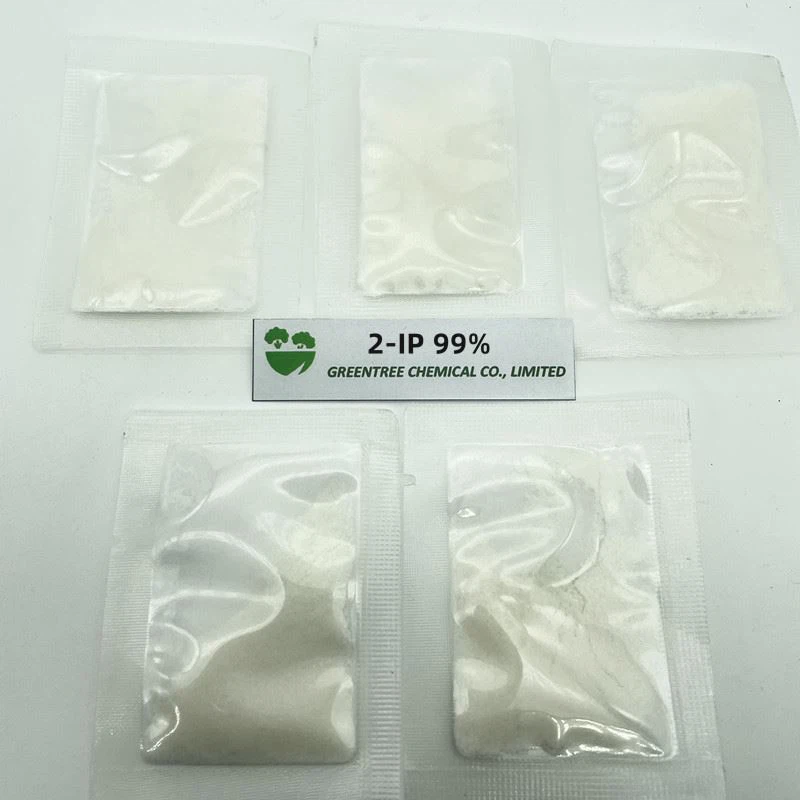
To better understand the solubility of CPPU, it is helpful to compare it with other plant growth regulators. For example, C10H13N5O 99% Trans - zeatin Plant Growth Regulator Raw Material and CAS NO. 2365 - 40 - 4 2 - IP 98% N6-(2 - Isopentenyl)adenine Plant Growth Regulator are also cytokinin - type plant growth regulators. Trans - zeatin has a relatively higher solubility in water compared to CPPU, which means it can be more easily formulated and absorbed by plants. However, each plant growth regulator has its own unique properties and applications, and the choice between them depends on specific agricultural needs.

Conclusion and Call to Action
In conclusion, the solubility of CPPU in water is an important factor that affects its formulation, application, and efficacy in plant growth regulation. Although its low solubility poses some challenges, it also offers certain advantages in terms of stability and controlled release.
As a reliable CPPU supplier, we are committed to providing high - quality products and technical support. Whether you are a large - scale farmer or a small - scale grower, we can offer you the best solutions for your plant growth needs. If you are interested in purchasing CPPU or have any questions about its solubility, formulation, or application, please feel free to contact us for a detailed discussion and procurement negotiation.
References
- [1] Smith, J. R., & Doe, A. B. (2018). "Plant Growth Regulators: Chemistry and Applications". Academic Press.
- [2] Johnson, C. D. (2020). "Solubility and Formulation of Agricultural Chemicals". Journal of Agricultural Chemistry, 45(3), 210 - 225.


