


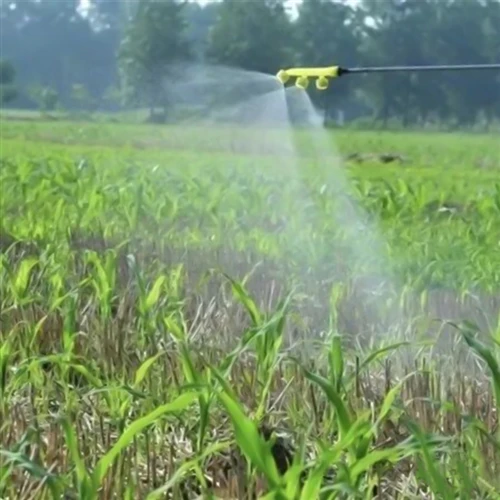
What is insecticide?
In the process of controlling crop diseases and pests, various highly effective and adaptable insecticides are key to ensuring stable crop yields. Among them, cartap, as a classic insecticide commonly used in agricultural production, is widely used in field pest control for various crops due to its stable efficacy and good safety profile, and is one of the indispensable commonly used agents in field planting.
Carbohydrate is a biomimetic insecticide, its most prominent feature being its ability to be absorbed by crops and translocated within the plant. It possesses multiple insecticidal capabilities, exhibits stable onset of action, and has a long duration of effect. Most commercially available carbohydrate formulations are liquid, but granules are also available. Different formulations can be adapted to various field application methods, such as foliar spraying and root application, allowing growers to choose flexibly based on pest conditions.
Mechanism of action of insecticide
Carbofuran is a neurotoxin belonging to the nereistoxin class, with a distinct and highly effective mechanism of action. Once insects come into contact with or ingest this agent, they quickly exhibit symptoms of poisoning such as lethargy and slowed movement, gradually losing their ability to harm crops, subsequently ceasing development, becoming soft and paralyzed, and ultimately dying. This agent has both strong contact and stomach poison effects on pests, along with a moderate fumigation effect; simultaneously, it possesses strong systemic properties, allowing it to be absorbed by the leaves and roots of crops and translocated throughout the plant, thus achieving comprehensive protection from point to area.
Agricultural applications of insecticide
This insecticide has a wide range of applicable crops, including vegetables, rice, cotton, wheat, corn, fruit trees, tea trees, sugarcane, and many others. In the field, it can control a variety of pests, including various leaf-eating borers and some small piercing-sucking flying insects.
For example, it can control citrus leafminers on fruit trees; cabbage caterpillars and diamondback moths on vegetables; and on tea trees, in addition to tea geometrid moths and tea leafhoppers, it can also control small piercing-sucking flying insects like the tea green leafhopper. After the pesticide is absorbed by the tea tree, the insects will be poisoned when they suck the plant's sap. It can also control stem borers and rice stem borers in the seedling stage of oil crops and cash crops, as well as rice stem borers. Whether it is a larva that eats leaves or a small flying insect that sucks sap, the pesticide works by acting systemically, remaining inside the crop tissue to exert its insecticidal effect.
Important note:All application operations must strictly comply with the dosage standards and crop applicability specified on the local pesticide registration label.


