When it comes to Ningnanmycin, the first thing that comes to mind for everyone may be the prevention and control of crop viral diseases. However, in reality, preventing and controlling viral diseases is just one aspect of Ningnanmycin, a versatile tool. Today, let's re understand Ningnanmycin and see what other "hidden" skills it has.
1. About Ningnanmycin
Ningnanmycin, also known as Junkeduke, Cuimei and Cuitong, was developed by the Chinese Academy of Sciences Chengdu Institute of Biology. It is an agricultural antibiotic fermented by Streptomyces. Because this strain was isolated from the soil of Ningnan County, Sichuan Province, China, its fermentation product was named "Ningnanmycin".
Ningnanmycin is a newly discovered cytidine peptide antibiotic that has preventive effects on plant viral diseases, as well as some fungal and bacterial diseases. Due to its biological fermentation and containing various amino acids, trace elements, and other substances, it can also promote crop growth.
Ningnanmycin is widely used in vegetable crops such as cucumber, tomato, chili, and cabbage, grain crops such as rice and wheat, fruit trees such as apples and bananas, economic crops such as soybeans and tobacco, as well as flowers and gardens. It is also a commonly used biopesticide in the production of green food and pollution-free vegetables both domestically and internationally.
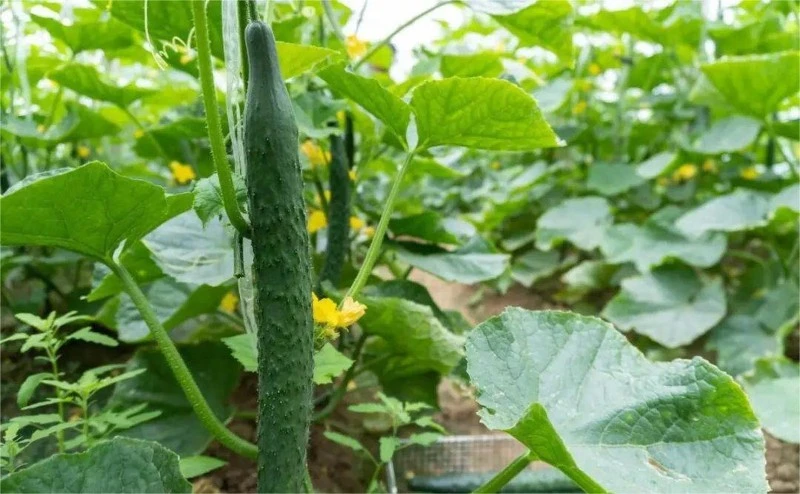
2. Main functions
(1) Prevent and control diseases. Ningnanmycin is widely used to prevent and control viral, fungal, and bacterial diseases in various vegetables. It can effectively prevent and control viral diseases in various crops such as tomatoes, chili peppers, melons, legumes, tobacco, as well as rice stripe leaf blight, apple spot leaf blight, etc. It also has good control effects on various fungal and bacterial diseases such as powdery mildew, vine blight, and soft rot.
During seedling cultivation, spraying on the seedbed of crops such as chili peppers, onions, and tomatoes can prevent root rot, wilt disease, and promote the growth of seedling roots, improve the survival rate of transplantation, and shorten the slow seedling period after transplantation.
(2) Regulate growth. Ningnanmycin not only can prevent and control diseases, but also has a significant regulatory effect on crop growth due to its presence of various amino acids, vitamins, and trace elements. It can increase plant chlorophyll content, enhance photosynthesis, and enhance crop stress resistance.

(3) Relieve drug damage. When herbicides, insecticides, etc. are used to cause pesticide damage, Ningnanmycin can be used in a timely manner in combination with regulators, foliar fertilizers, etc. This can not only prevent and control diseases, but also regulate the transportation of crop nutrients, reduce the impact of pesticide damage, and promote the restoration of normal crop growth; It is also possible to mix Ningnanmycin while spraying other pesticides, which not only has a synergistic effect but also reduces the probability of drug damage.
(4) Anti freezing and low temperature resistance. After entering the plant body, Ningnanmycin not only enhances crop photosynthesis, but also stimulates certain protective mechanisms in the plant body due to its presence of free amino acids and other substances produced by fermentation, enhancing crop stress resistance. Especially in terms of low temperature resistance, it has a significant effect, which can reduce the damage caused to plants by stress.
3. Usage
(1) To prevent and control virus diseases of tomato, pepper, cucumber, cowpea, strawberry, cabbage and other crops, 800-1000 times liquid of 8% Ningnanmycin water can be used before and after the seedling is planted and slowed down, spray once each time. At the beginning of the disease, spray once every 7-10 days, and spray 3-4 times continuously depending on the condition; To prevent and control powdery mildew of melons such as tomatoes and cucumbers, cowpeas, peas and strawberries, spray 8% Ningnanmycin aqueous solution 1000-1200 times for 1-2 times every 7-10 days.

(2) To control watermelon and other melon vine blight, spray with 8% Ningnanmycin 800-1000 times of liquid for 2-3 times before or at the beginning of the disease, once every 7-10 days; To prevent and control the soft rot of cruciferous vegetables such as Chinese cabbage, at the initial stage of the disease, 8% Ningnanmycin water is sprayed with 1000 times liquid spray, focusing on the affected part, so that the liquid can flow to the stem base, once every 7-10 days, 2-3 times in total.
(3) To prevent and control rice wilt and bacterial wilt, 8% Ningnanmycin water solution can be used with a concentration of 800 times, evenly sprayed, and the bed soil disinfected; To control rice stripe blight and black streaked dwarf disease, 45-60 ml of 8% Ningnanmycin water can be sprayed every mu with 40 kg of water at the initial stage of the disease or before the onset of the disease, once every 10 days, 2-3 times in total; To control wheat powdery mildew, 800 times of 8% Ningnanmycin aqueous solution can be used for uniform spray.
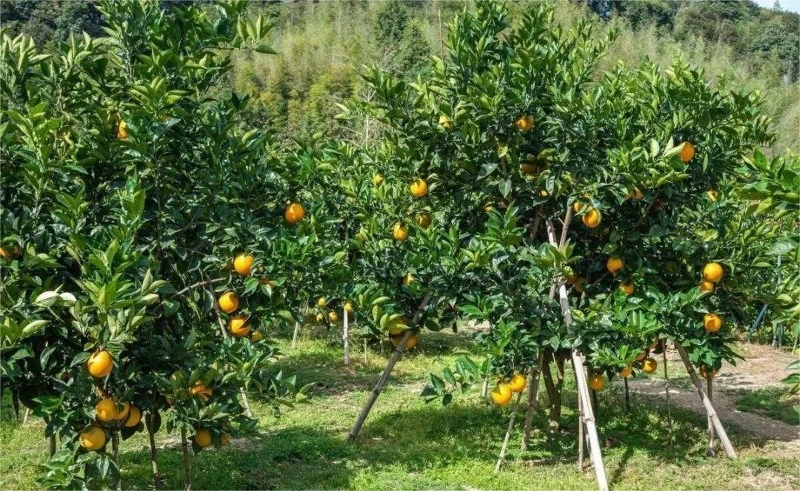
(4) To control apple leaf spot disease and peach bacterial perforation disease, 8% Ningnanmycin water spray with 2000-3000 times of liquid at the initial stage of the disease or before the onset of the disease, once every 7-10 days, 2-3 times in total; To prevent and control the downy mildew and phytophthora blight of litchi and longan, at the initial stage of the disease, 10% Ningnanmycin soluble powder 1000-1200 times liquid spray for 2-3 times at an interval of 7-10 days.
(5) To prevent and control cotton verticillium wilt, 2% Ningnanmycin 100ml/7kg can be used for seed mixing. After emergence, 100ml of 2% Ningnanmycin can be sprayed per mu, and applied separately during the 3-4 leaf stage, 6-8 leaf stage, and mid July cotton topping stage; To control sclerotinia sclerotiorum of rape, 8% Ningnanmycin water can be spray with 800 times liquid from the first flowering stage to the full flowering stage; To prevent and control tobacco scab, 45-60ml of 8% Ningnanmycin water can be sprayed every mu with 40kg of water before or at the beginning of the disease, once every 7-10 days, 2-3 times in total.

matters needing attention
(1) When using Ningnanmycin, it is advisable to prevent it before or during the early stages of crop disease, and it should be sprayed evenly as much as possible; It should not be mixed with alkaline agents, and it is best to alternate or mix with other fungicides with different mechanisms of action to delay the development of resistance.
(2) Ningnanmycin is used on apples with a safe interval of 14 days, on rice and tobacco with a safe interval of 10 days, on tomatoes and chili peppers with a safe interval of 7 days, and on cucumbers with a safe interval of 3 days; The maximum usage of crops per season should not exceed 3 times.