Pyrethroid insecticides
1. Deltamethrin: highly effective, broad-spectrum, with strong contact, stomach poison and repellent activity, fast knockdown, no systemic activity and fumigation effect. The right-handed cis isomer has the highest activity, controlling 140 pests on 45 crops, but is prone to drug resistance. It has poor effects on mites, rice planthoppers and borers.
2. Cypermethrin: highly effective, broad-spectrum stomach poison and contact insecticide. It controls Lepidoptera, Coleoptera and Diptera pests, and also has good control effects on herbivorous Hemiptera. It has a long-lasting control effect on soil pests; it controls parasites on livestock and disease-transmitting insects such as mosquitoes and flies, etc.
3. Fenvalerate: A highly efficient, broad-spectrum contact pyrethroid insecticide with certain stomach poison and repellent activity, but no systemic activity or fumigation effect. It can be used to control pests suitable for cotton, fruit trees, vegetables and other crops, but has poor effects on mites, and pests are prone to drug resistance.
4. Lambda-Cyhalothrin: Cyfluthrin, Kungfu Fenthrin, etc. It has strong contact and stomach poison effects, as well as repellent effects. It has a wide insecticide spectrum and has good control effects on Lepidoptera larvae and pests such as Homoptera, Orthoptera, and Hemiptera, and has an inhibitory effect on mites. It is suitable for controlling most pests on flowers, lawns, and ornamental plants. It is highly toxic to bees, silkworms, fish and aquatic organisms.
Organophosphorus insecticides
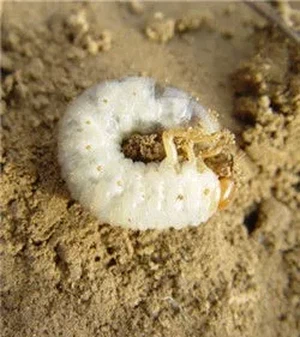
1. Phoxim: Phoxim is a broad-spectrum organophosphorus insecticide with strong contact and stomach poison effects. It is mainly used to control underground pests, especially for peanut, soybean, wheat grubs and mole crickets. It has the best killing effect on date armyworms, and is also effective against juvenile Lepidoptera, wax scale, fruit flies and warehouse pests. The commonly used concentration is 1000-1500 times of 50% phoxim.
2. Chlorpyrifos: a broad-spectrum insecticide and acaricide. It has stomach poison and contact killing effects, and is highly volatile in the soil. It can control a variety of pests and mites in crops such as cotton, fruit trees, and rice, and can also be used to control mosquitoes, flies and other sanitary pests.
3. Triazophos: a broad-spectrum insecticide and acaricide, and also has a nematode killing effect. It is used to control cotton bollworms, red spiders, borers, rice planthoppers, aphids, cabbage worms, nematodes, etc. It has a significant egg-killing effect (especially Lepidoptera). It can be mixed with soil to control cutworms and other Lepidoptera pests.
4. Profenofos: It has contact and stomach poison effects, no systemic effect, and a wide insecticide spectrum. It can control harmful insects and mites in cotton and vegetable fields. The application dosage is: 2.5-5.0g active ingredient/100 square meters for piercing and sucking pests and mites; 6.7-12g active ingredient/100 square meters for chewing insects. It is used to control a variety of pests in crops such as cotton, vegetables, and fruit trees, especially for resistant bollworms.
5. Fenthion: A broad-spectrum insecticide with contact and stomach poison effects, or kills borers, and the efficacy is generally 3-4 days. Generally, 50% emulsion 1000-2000 liquid is used to control aphids, moths, leafhoppers, borers, scale insects, thrips, spider mites and other pests. It can also be sprayed with 2% powder for control. The dosage is generally 1-3 grams per square meter. It is easy to cause phytotoxicity to cruciferous plants and cannot be mixed with alkaline pesticides.