Kasugamycin is an important antibiotic pesticide produced by Streptomyces kasugaris. It is effective in preventing and controlling various crop diseases such as rice blast. It is an ideal fungicide. It has green characteristics such as low residue and no pollution, and is an environmentally friendly biopesticide.

1. What diseases can Kasugamycin prevent and cure?
Kasugamycin has strong systemic and permeability properties. The liquid is quickly absorbed by plants after spraying and is transmitted within the plant body. It can effectively inhibit the growth and development of mycelium and kill bacteria and fungi of the subphylum Deuteromycota. It is a commonly used agent for preventing and treating rice blast and bacterial diseases.
It was first used to prevent and control rice blast, and the control effect can generally reach more than 80%. Suitable crops for kasugamycin include potatoes, cucumbers, celery, sorghum, peppers, beans, citrus, peach trees, etc. It can prevent and control potato ring rot, cucumber bacterial angular leaf spot, celery early blight, pepper bacterial scab, citrus gummosis, tomato leaf mold, caltrop leaf spot, etc.
2. How to use kasugamycin on various crops
The currently registered contents and dosage forms of Kasugamycin single dose are: 2%, 6% aqueous solution, 2%, 4%, 6%, 10% wettable powder, 2% soluble granules, 20% water-dispersible granules, etc. Kasugamycin compound products include Kasugamycin·Dicopper chloride trihydroxide, Kasugamycin·Isoprothiolane, Kasugamycin·Tricyclazole, Kasugamycin·Carbendazim, Kasugamycin·Tebuconazole, Kasugamycin·Bromothalonil, etc.
① For rice blast disease, in the early stage of the disease, use 2% kasugamycin 100 ml + pyraclostrobin 25 ml + silicone 10 ml per bucket of water. Pour 2 buckets of water per acre. Spray more on areas with many lesions, white ears, and green spots.
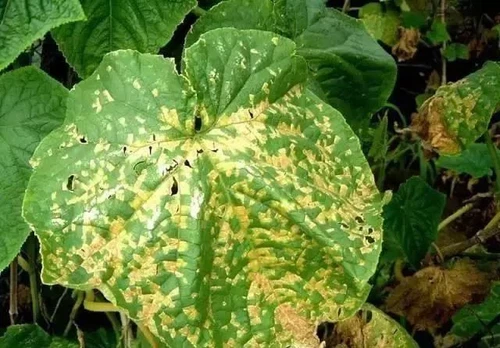
② To prevent tomato leaf mold and cucumber bacterial angular spot, spray 140-175 ml of 2% Kasugamycin aqueous solution per acre, once every 7 days, and spray 2-3 times continuously. It can also prevent and control pepper bacterial scab, tomato leaf mold, gray mold, cabbage black rot, cucumber wilt, cucumber anthracnose and other diseases.
③To prevent and control fruit tree diseases, generally use 2% spring thunder mildew aqueous solution or 400-600 times of wettable powder, or 800-1000 times of 4% spring thunder mildew wettable powder, or 1200-1500 times of 6% spring thunder mildew wettable powder, evenly spray, and the control effect is good at the early stage of disease onset or early stage of disease. For peach tree brown spot perforation disease, 20% kasugamycin water dispersible granules can be sprayed 2000-3000 times in the early stage of the disease.

④ Peach tree gum disease, scab disease, citrus gum disease, sand bark disease. After scraping off the diseased area or carving the diseased spot vertically with a sharp knife, apply 5-8 times of 4% kasugamycin wettable powder and then wrap it with plastic film.
It should be noted that soybeans, lotus roots, and fir trees (especially seedlings) are relatively sensitive to kasugamycin, and the liquid should be avoided from drifting to the above crops when applying pesticides. If Kasugamycin is produced by Actinomycetes aureus, the registration will usually indicate that it is sensitive to crops such as grapes, eggplants, citrus, and apples.